The most basic reason to install dust collectors is because the EPA, OSHA or other regulatory agency requires you to. However there are other reasons to install a dust collector even if you aren’t required to.
Posts about Dust Collectors (7):
How Important is the Airflow in a Dust Collection System
The Effects of Humidity & Compressed Air on Dust Collectors
Dry dust collectors and humidity don’t react well together. Baghouses and cartridge collectors operate by having dirty (dusty) air enter the housing. Multiple filters (bags or cartridges) are located in the housing. The air travels through the filter and then exits the dust collector. The filters are a mesh of fibers that allow air to travel through small holes, while dust is too large to pass. The dust builds up a layer (dust cake), further limiting the subsequent dust’s ability to pass through while allowing the air to pass. From time to time the dust collector will clean the filters by shaking them or using compressed air to expand them. This causes the outer layer of the dust cake to fall off.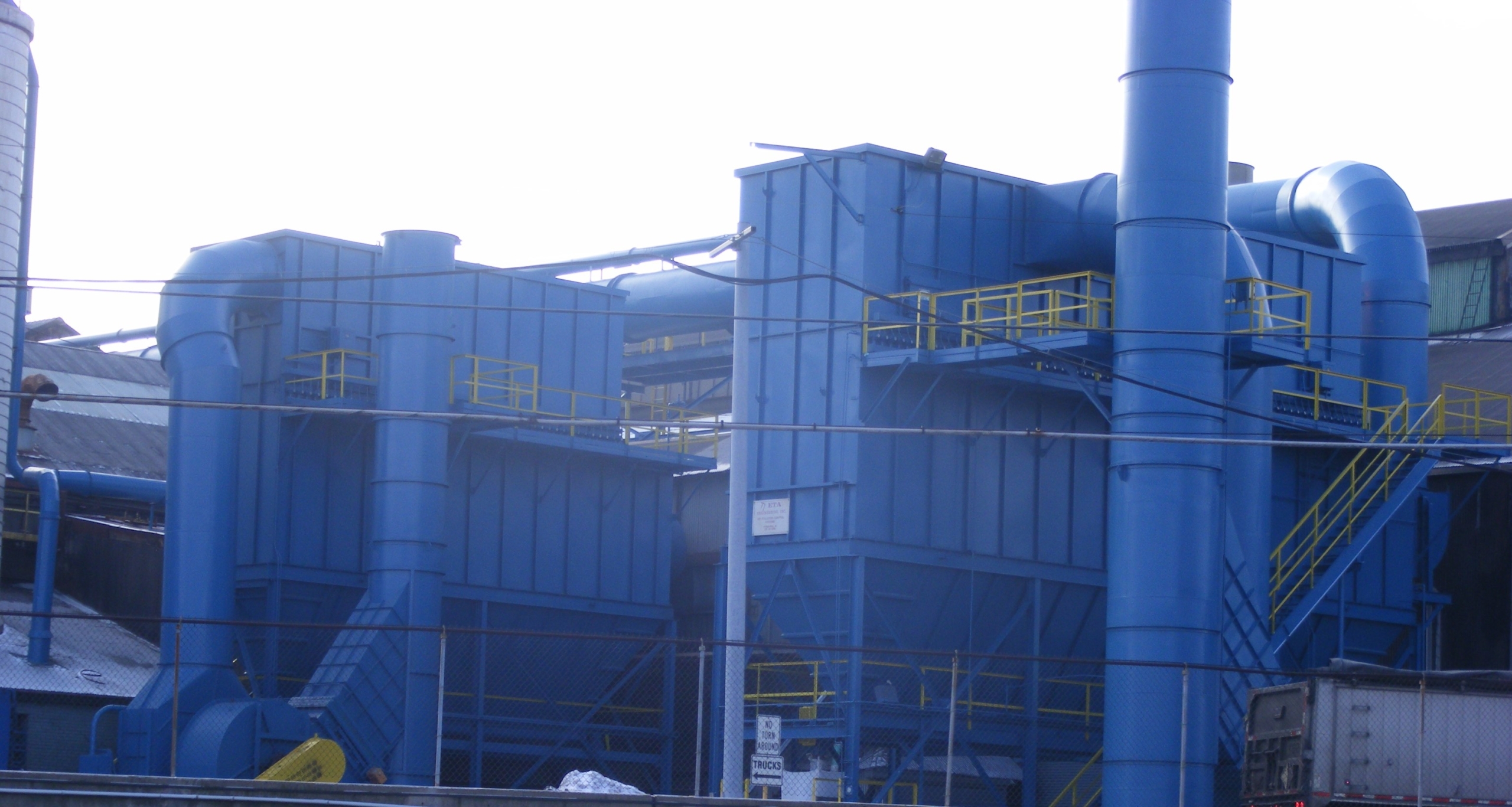
The Benefits and Restrictions of Clamp Together Ductwork | Aerodyne
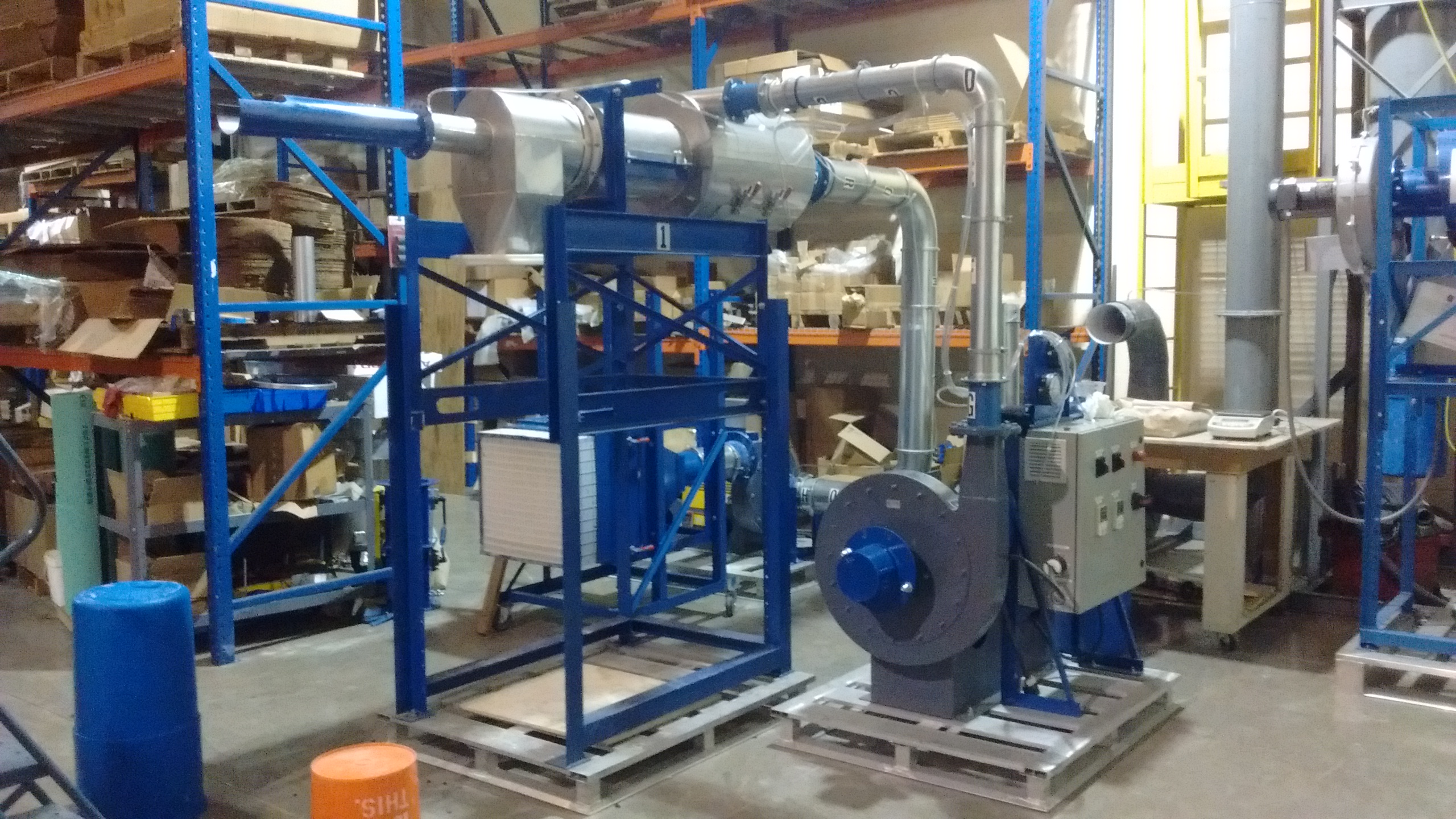 The use of clamp together ductwork has increased over the past few years. There are multiple suppliers of clamp together ductwork which helps to keep the prices down. Clamp together ductwork is easy to design and install.
Cyclonic Dust Collection Can Reduce Fabric Filter Baghouse Maintenance Costs and Downtime
At one time mechanical dust collectors were the industry standard in dust collection and air pollution control. However, with an ever increasing focus on air quality, EPA regulations regarding dust collection have steered the manufacturing world toward the higher efficiency capabilities of fabric filter baghouses, cartridge filters, and other dust collection equipment utilizing filter media. This change has undoubtedly helped to reduce the amount of harmful emissions released into the atmosphere in manufacturing processes. Unfortunately, the use of these fabric filter baghouse collectors is not without cost. The limitations of filter media such as moisture, heat, and high particulate volumes have added to the challenges of successful dust collection. Additionally, the high cost of bag or cartridge replacement, maintenance issues, and expensive pulse-jet controls to clean filter media can add up. The solution to these headaches for many has been the use of mechanical dust collectors before final-stage filtration.
Prevent Filter Fires with Proper System Design
Dust collection system design can be a very complicated process. Beyond determining variables such as air volumes, drop sizes, and capture velocities, there is perhaps no more important design consideration than fire prevention. This is especially true in systems that are used in hot work applications, such as sawing, grinding, or sanding, where sparks can potentially be generated. If a spark is drawn into a system’s ductwork, it has the possibility of travelling all the way to the system filters which are typically constructed of combustible materials. If this happens, the filters can catch on fire, which can lead to catastrophic destruction of the dust collection system, the entire building, or result in serious injury or loss of life.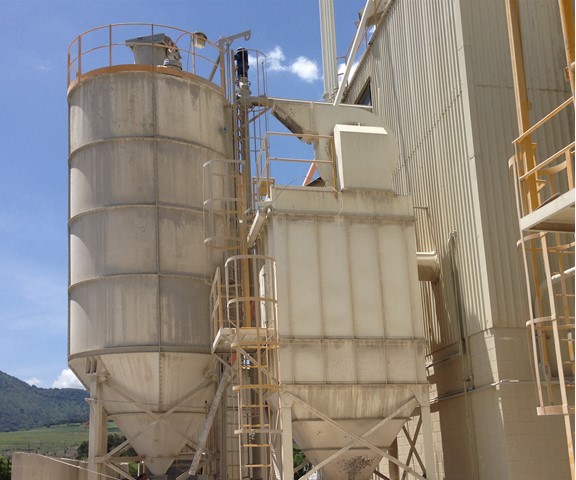
Avoid Filter Failure by Using a Pre-Filter Cyclone
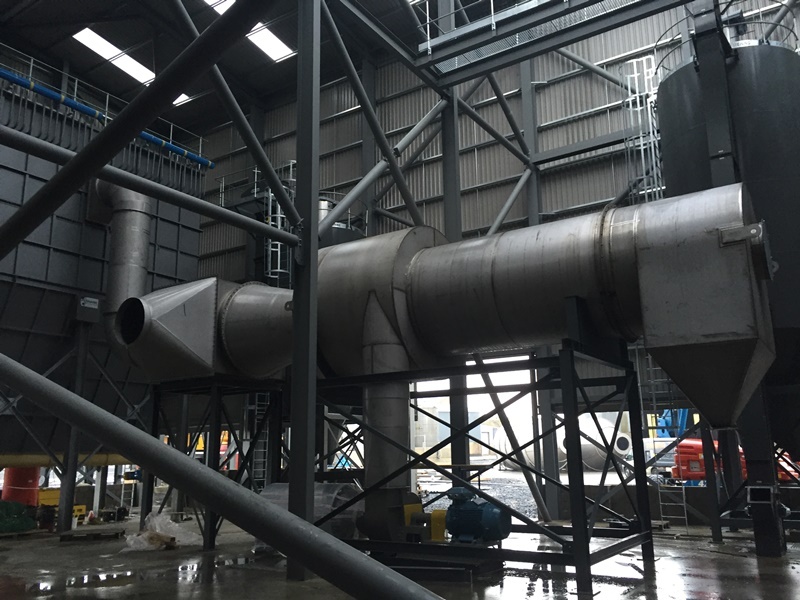 Because of their overall effectiveness and reliability, baghouses and cartridge collectors are the most widely used dust collectors in industry today. The filters in these systems are very effective at capturing several types of particulate matter and have the benefit of being able to be regularly cleaned, which keeps overall system efficiency at peak levels.
Fire Protection Provided by the Power of a Pre-filter Cyclone
When designing a dust collection system, one of the most critical design considerations is fire protection. Filter media that are typically used in baghouses, cartridges, or simple filters are most often constructed out of combustible materials. If your dust collection system is being used for an application that is likely to produce sparks, such as cutting, grinding, sanding, or welding, then there is a possibility that a spark could reach the filters and cause an explosion or fire in the system, which could lead to catastrophic damage and potentially loss of life.
Ensure Dust Collection System Efficiency by Maintaining Air Valves
For dust collection systems to operate as they are designed, baghouse and cartridge collector filters need to be regularly cleaned. Many systems employ compressed air for this purpose, periodically sending blasts of air through the filters which effectively removes particulate matter from them. The frequency of these cleaning cycles can be controlled by various methods, such as a pressure drop monitor that allows for detection of a filter that is beginning to clog, or with a simple timer. Air flow is typically controlled with the use of a solenoid operated diaphragm valve.
The Pulse-On-Demand Controller – the Wave of the Future
While Aerodyne doesn’t manufacture baghouses or their controllers, it seems like we’re always working with them. However, as we like to say, the pulse-on-demand controller is the wave of the future. Sure, the old baghouse controller is still functional, but the rising cost of energy and the growing concern about waste make the pulse-on-demand controller the ideal choice.