Selecting the right cyclone dust collector is critical for maintaining airflow efficiency, controlling dust, and protecting equipment performance. However, sizing a cyclone is not simply choosing a standard model based on airflow alone.
Posts by dust-admin:
Why Your Dust Collector Keeps Losing Efficiency | Aerodyne
Many facilities invest heavily in baghouses and cartridge dust collectors expecting maximum filtration efficiency and long filter life.
Why Every Dust Collector Needs a Trickle Valve Under the Hopper | Aerodyne
When working with dust collectors, it’s easy to focus only on the filters and the fan. But one small component can make or break the whole system’s performance: what’s installed under the hopper. Choosing the right device to manage dust discharge is critical to maintaining system efficiency, protecting your equipment, and ensuring safety. In many cases, the simplest and most effective solution is a trickle valve.
Why a Double-Dump Valve is the Best Choice for Abrasive Materials | Aerodyne
When handling large, abrasive materials like sand, coffee, foundry dust, limestone dust, and other minerals, selecting the right dry solids material handling valve is essential. The wrong valve choice can result in excessive maintenance, system inefficiencies, and costly downtime. A double-dump valve is an ideal solution for facilities dealing with these tough materials, offering long-term durability and minimal wear compared to other valve types. If your operation involves high-abrasion materials, making an informed valve selection can save both time and money, while enhancing system performance.
Maximizing Dust Collection Efficiency with Horizontal Cyclones | Aerodyne
In industries that require effective dust collection systems, cyclones are well-known for their efficiency in removing dust and other particulate matter from air streams. They work as excellent pre-filters, reducing the load on baghouses or cartridge collectors and minimizing the risk of contamination. However, the challenge many facilities face is the limited headroom to install a traditional vertical cyclone or the lack of space to add a cyclone to an existing dust collection system. This is where horizontal cyclones provide a game-changing solution.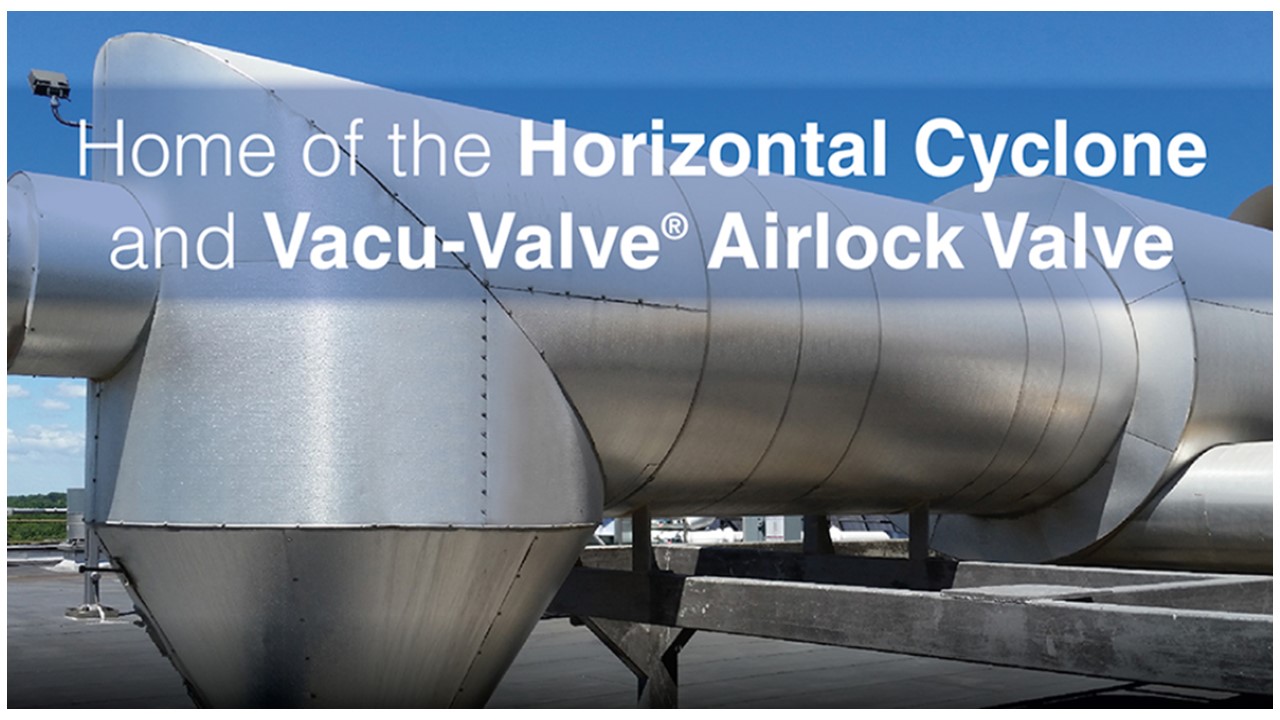
Trickle Valves: The Low-Maintenance, Cost-Effective Solution for Industrial Material Handling | Aerodyne
When it comes to managing the flow of dense, free-flowing materials in industrial settings, efficiency and cost-effectiveness are crucial. Many facilities rely on traditional motorized rotary valves, but these come with significant maintenance needs and operational challenges. Enter the trickle valve—an often-overlooked, low-cost solution for dust collection that offers simplicity, durability, and efficiency.
Enhancing Foundry Efficiency with Aerodyne Environmental Solutions | Aerodyne
The foundry industry, known for its demanding environments and complex processes, requires reliable, efficient equipment to maintain productivity and minimize downtime. Aerodyne Environmental, a leader in industrial air quality solutions, has been serving the foundry sector since the 1970s with innovative products that optimize dust collection and material handling.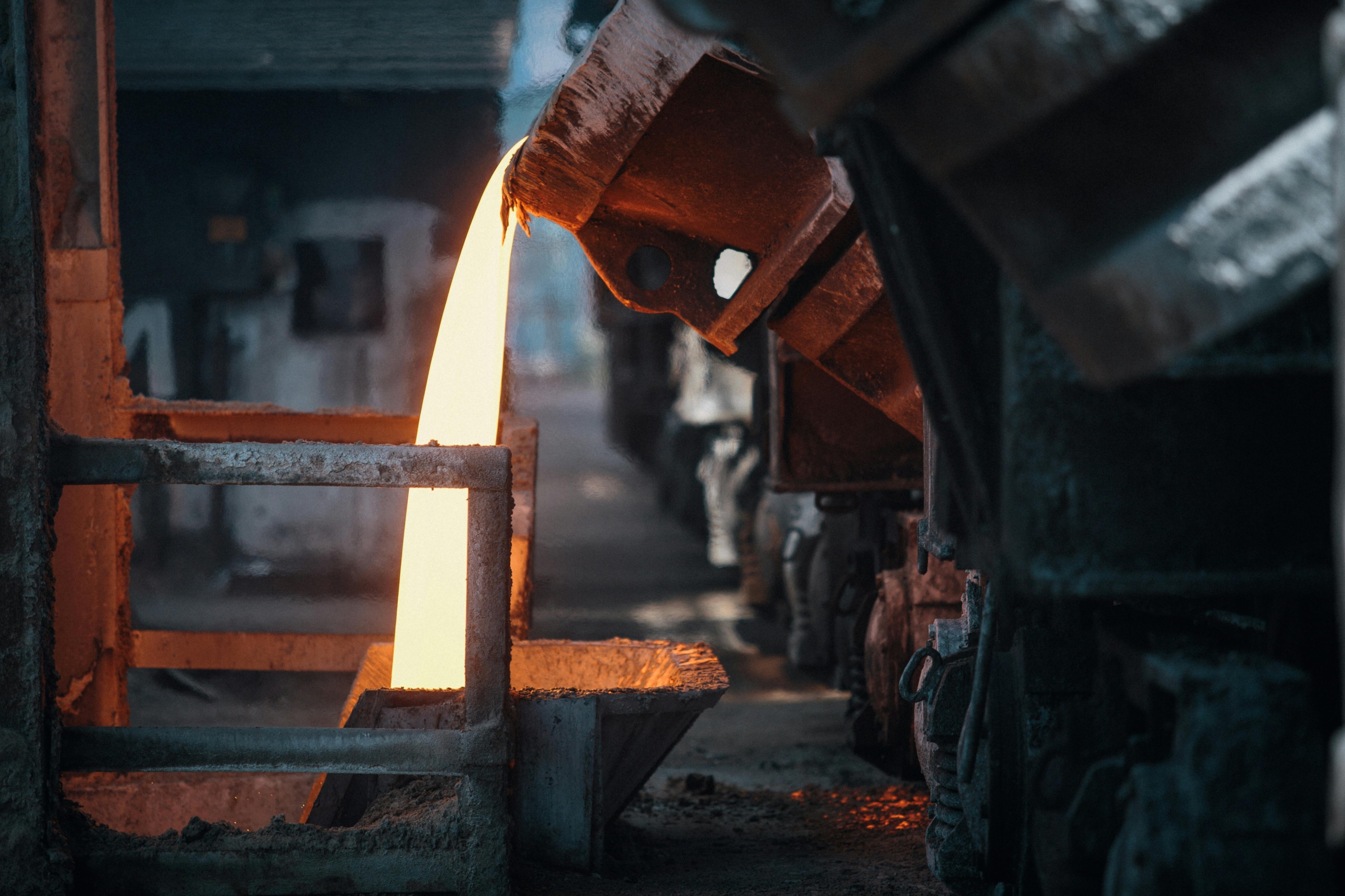
The Essential Role of Dust Collectors in Mining and Quarry Operations | Aerodyne
 The mining and quarry industries are known for their inherent risks and hazards. For the workers and companies in these fields, safety is not just a priority—it’s a lifeline. Yet, these industries continue to face critical challenges that demand attention, including fire hazards, dangerous dust, and the need to protect both employees and nearby communities. Thankfully, modern dust collection systems are transforming the way we manage these risks, offering safety benefits, environmental protections, and even financial advantages.
Airflow Through a Dust Collection System | Aerodyne
When you are dealing with dust collection system, the most important component is having the correct airflow going through your system so that the dust collection is properly done. While this initially appears to be simple it is the most complex part of a dust collection system. To put it simply, every component from the pickup hoods to the exhaust stack affect the airflow going through the system. And any changes, whether deliberate (ex. changing filters) or accidental (filters plugging) the airflow in the system will be affected. The following explains the different components in the dust collection system and how they affect the airflow.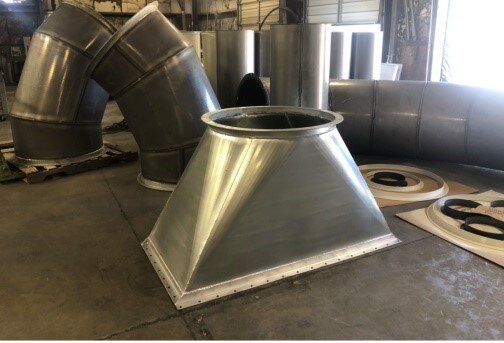
Optimizing Dust Collector Installation and Operation: Comprehensive Guidelines for Success | Aerodyne
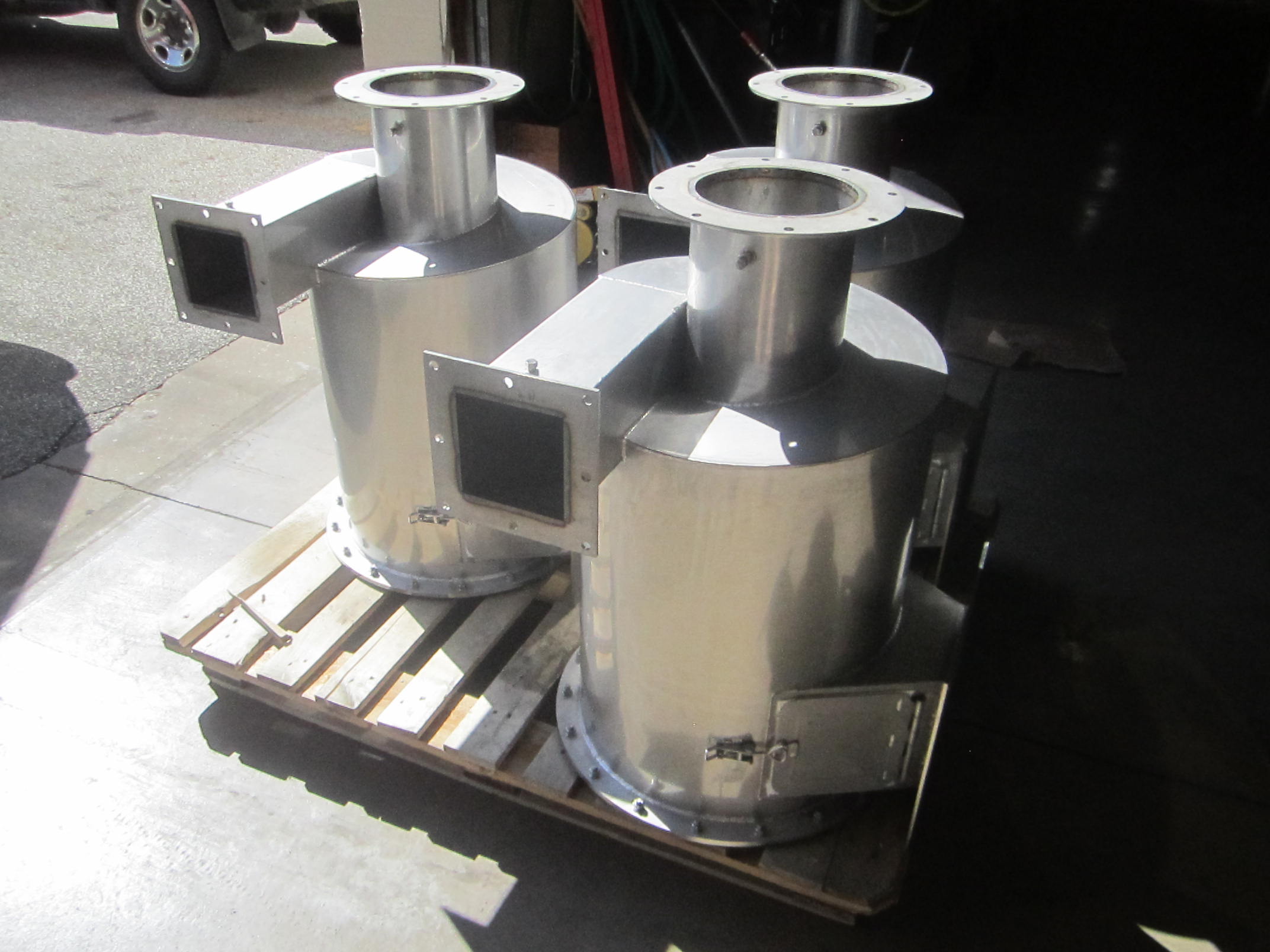 Once you’ve selected and sized your dust collector to meet the specific needs of your application, it’s crucial to address several additional factors to ensure that this vital piece of equipment operates both efficiently and reliably. Whether you’re installing a baghouse, cartridge filter, cyclone, or a combination of these dust collection systems, meticulous attention to detail during both the pre-installation and post-installation phases can significantly impact performance and longevity. Here’s an expanded guide covering essential aspects to ensure a seamless installation and optimal operation of your dust collection system: