When protecting vessels from explosions, one of the most common ways is to install explosion vents. The explosion vent is an engineered weak spot in the vessel that fails when the internal pressure reaches a certain point. This failure allows the pressure to be released in a controlled way so that the entire vessel doesn’t explode. The explosion vent needs to be installed so that the venting is away from any equipment, walkways, roads, picnic areas, etc.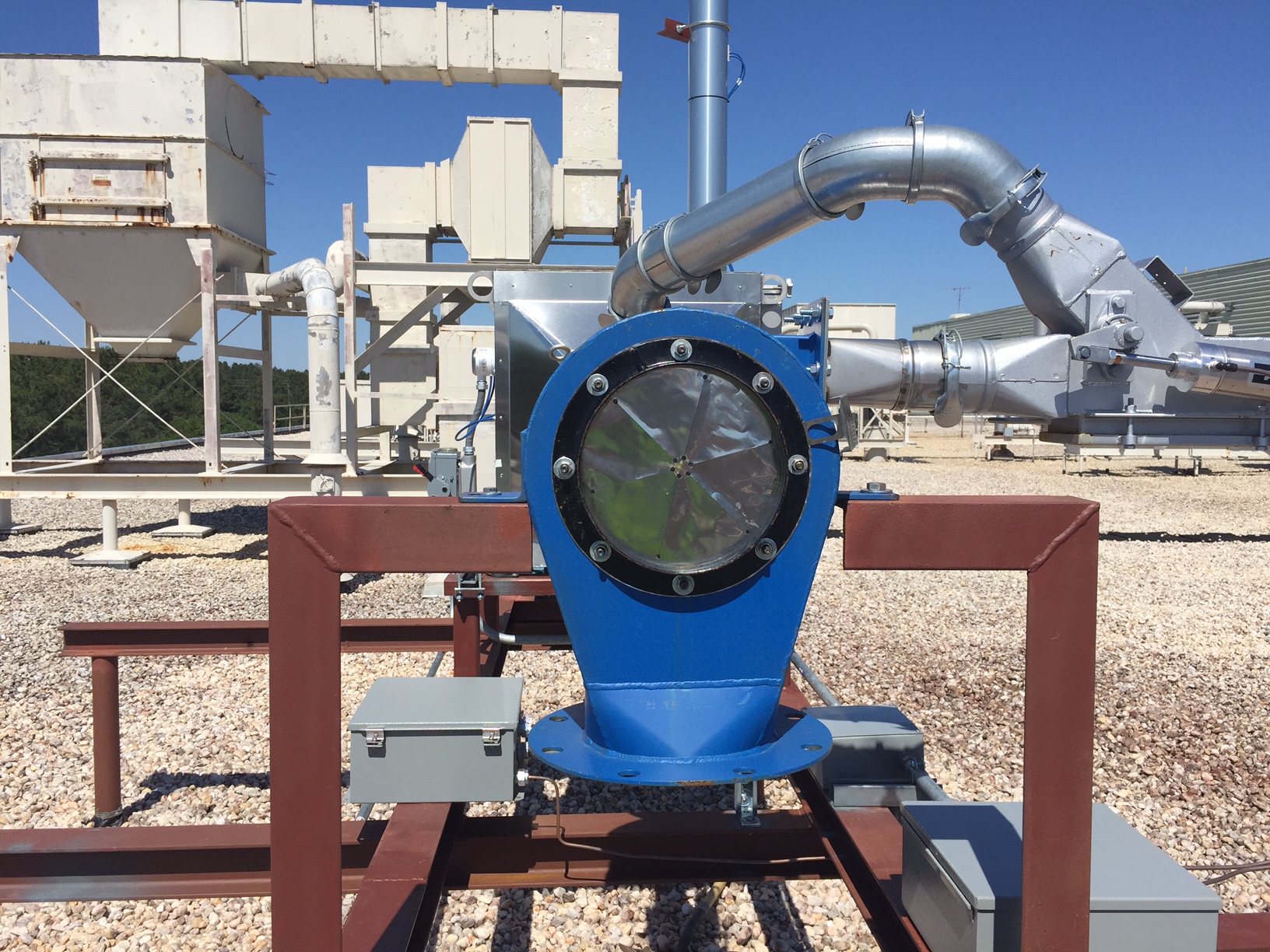
Posts about NFPA:
Is Your Dust Explosive? | Aerodyne
 To help answer this question, NFPA has released NFPA-652 and 654. A combustible dust is defined as a finely divided combustible particulate solid that presents a flash fire or explosion hazard when suspended in air or the process-specific oxidizing medium over a range of concentrations. Basically, what this means is when the dust is in the air and its concentration is enough to cause a flash fire or propagate a deflagration or explosion if exposed to a spark or heat source, then it’s considered combustible.
Mini DHA for Adding Cyclone to Compliant System | Aerodyne
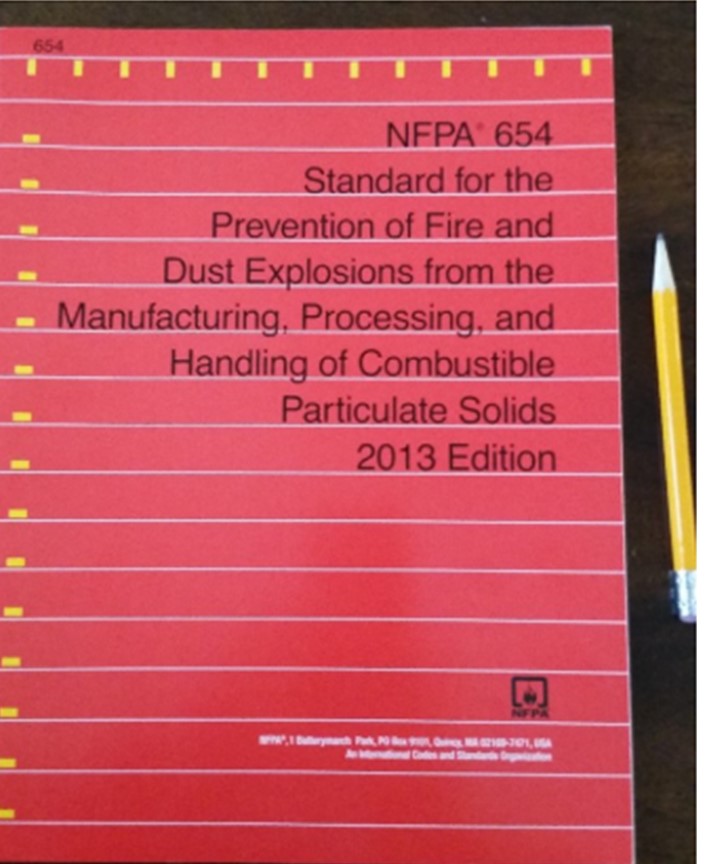 Not only do NFPA regulations require a DHA (Dust Hazard Analysis) to be done on all systems that might have explosive dust, they also require the DHA to be updated every 5 years and whenever the system changes.
Dust Collector Placement Part 2: Space Constraints | Aerodyne
When it is time to add a dust collector to your application, you have to find a place for the dust collector. This isn’t always easy. New facilities are usually designed around the equipment that is being installed. However when a system in an existing facility is modified or installed, you will have limited space to install the dust collector system. There are four factors that you should take into account when finding a place for your dust collector. (Part 2 of 4)
Dust Efficiency Clinic Helps Facilities Get into Compliance | Aerodyne
 OSHA is issuing citations and fines to companies with unsafe combustible dust hazards, using their general duty clause and NFPA 652: Standard on the Fundamentals of Combustible Dust as a guideline. Any industrial facility that creates dusts or uses powders was mandated by NFPA 652 to complete a Dust Hazard Analysis by September, 2020 to identify the presence of combustible dusts and establish a plan for eliminating or mitigating potential risks associated with these dusts in their facilities. The DHA is essentially the framework around which NFPA 652 is built, and the starting point for getting a facility into compliance with the standard as a whole.
Why Install Dust Collectors Even If It Is Not Required | Aerodyne
The most basic reason to install dust collectors is because the EPA, OSHA or other regulatory agency requires you to. However there are other reasons to install a dust collector even if you aren’t required to.
The Benefits and Restrictions of Clamp Together Ductwork | Aerodyne
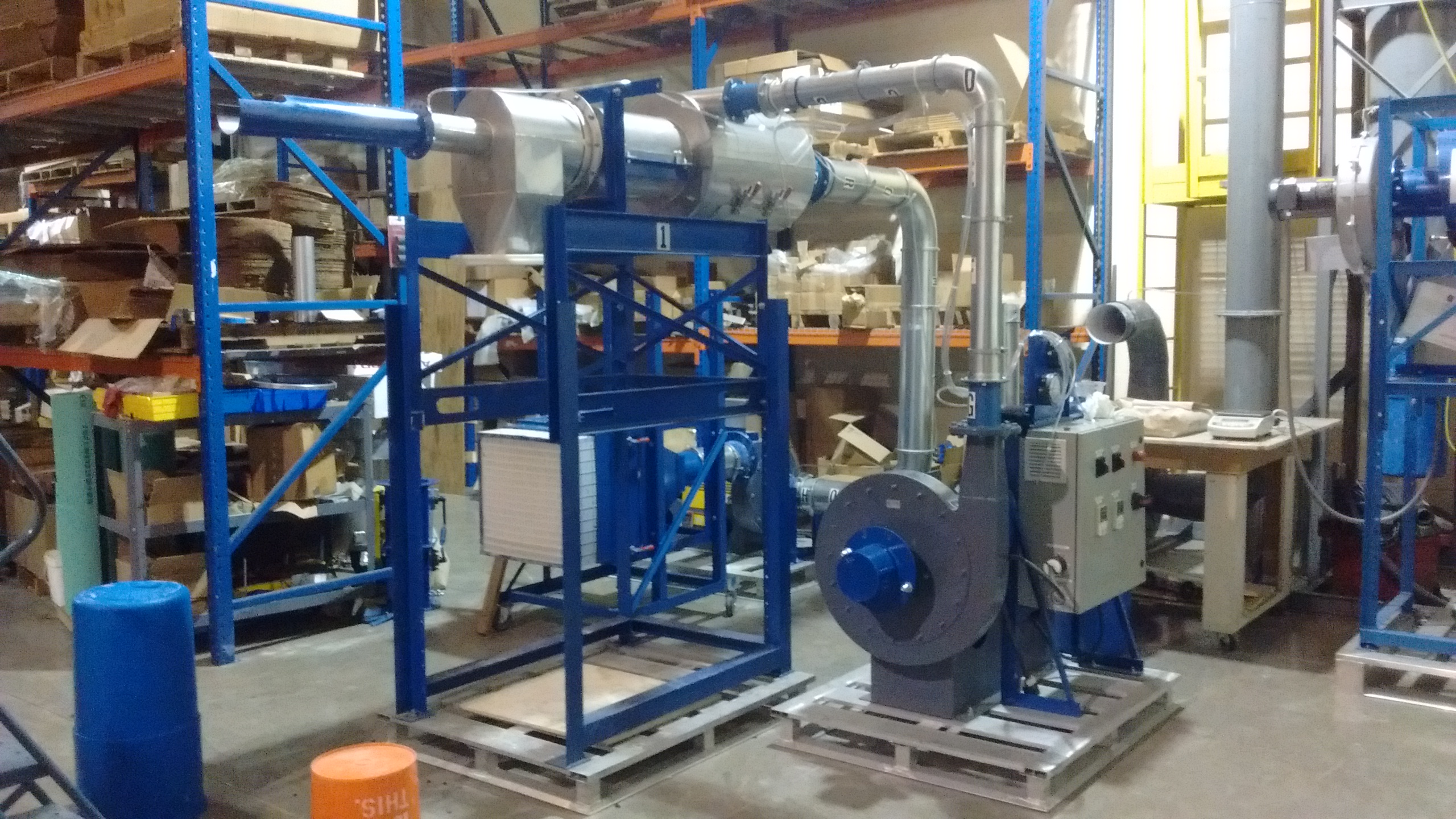 The use of clamp together ductwork has increased over the past few years. There are multiple suppliers of clamp together ductwork which helps to keep the prices down. Clamp together ductwork is easy to design and install.
Prevent Filter Fires with Proper System Design
Dust collection system design can be a very complicated process. Beyond determining variables such as air volumes, drop sizes, and capture velocities, there is perhaps no more important design consideration than fire prevention. This is especially true in systems that are used in hot work applications, such as sawing, grinding, or sanding, where sparks can potentially be generated. If a spark is drawn into a system’s ductwork, it has the possibility of travelling all the way to the system filters which are typically constructed of combustible materials. If this happens, the filters can catch on fire, which can lead to catastrophic destruction of the dust collection system, the entire building, or result in serious injury or loss of life.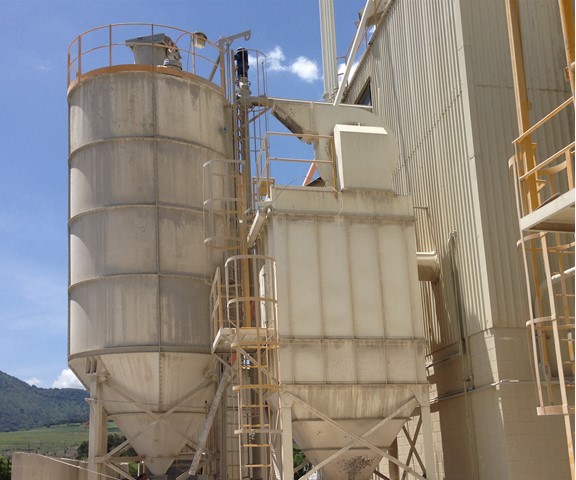
Dust Collection Systems: Rotary Valves and NFPA-69
When you have a combustible dust, not only does your dust collector require to be protected against a deflagration, but the airlock must contain the event. NFPA-69 allows the use of a rotary valve as long as the following:
Steel Dust Collector Keeps Manufacturer in Compliance
A facility in Chicago that manufactures industrial hardware for building was looking for a solution to keep its process up to regulation standards. The aluminum scraps that were being produced during manufacturing were falling from the machines and on to the floor. Layers of dust and material scrap accumulation can lead to potential fire risks. With the new regulations from NFPA and OSHA, it was imperative that the company find a way to keep the excess materials from accumulating on the floor.