A common problem that the dust collection industry faces is that once a dust collection system is installed, the records of the system are often lost or forgotten. Typically, the engineer who designed the system moves to another position or eventually retires, and the details are not passed along to the next person. This lack of continuity can lead to significant challenges when issues develop.
Posts about Dust Collection System:
How to Enhance Your Dust Collection System | Aerodyne
Maintaining a clean and safe working environment is essential, especially in workshops and industrial settings where dust and airborne particles are common byproducts. A well-designed dust collection system is crucial for both the health of workers and the longevity of machinery. We will explore various ways to enhance the performance of your dust collection system, ensuring optimal efficiency and effectiveness.
Horizontal and High-Efficiency Cyclone | Aerodyne
One challenge to designing a manufacturing process is choosing an effective dust collection system that will fit the limited available plant space. Low ceilings pose a challenge for high-efficiency cyclones due to their long-tapered bodies. In many cases, the dust collector must be placed outdoors or partially protruding through the roof. This can be an unfavorable arrangement.
What kind of dust collectors are there? | Aerodyne
For the past several decades, industrial facilities in a wide variety of industries have deployed dust collection systems as part of its manufacturing process. As technology and filtration techniques have improved, these systems have changed and evolved to become more sophisticated, and at times complex.
What Is A Dust Collector? | Aerodyne
A dust collector is a mechanical device used to remove dust from an air stream. The dust collection system consists of a hood (or air collection device), the dust collector, the motive fan and any inter-connecting ductwork, stack, dampers, controls, etc. Aerodyne Environmental manufactures cyclone dust collectors and the dust handling valves (airlocks) mounted on the dust collectors.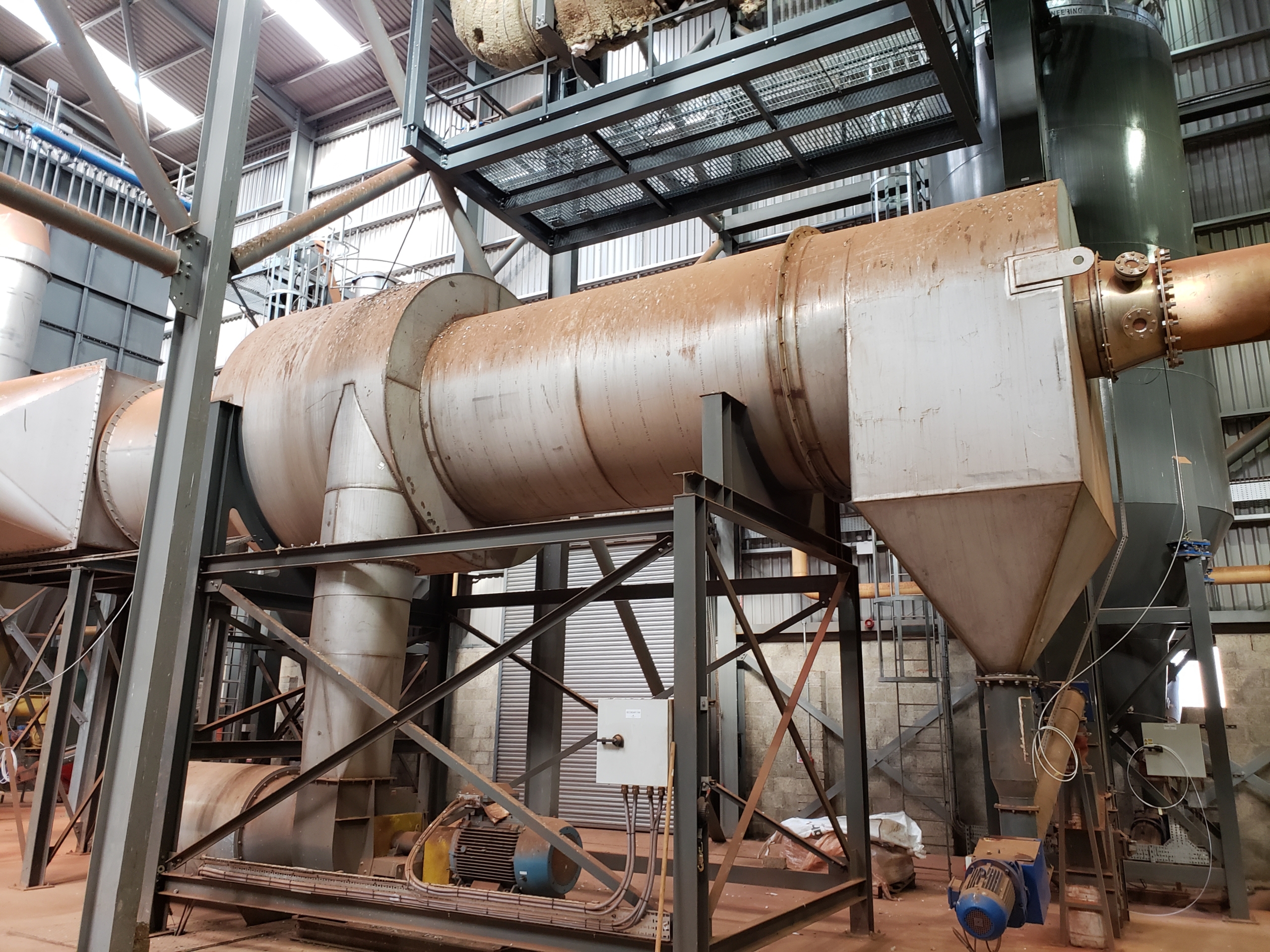
Dust Collection Systems Maintenance: The Cyclones and Filter Collectors | Aerodyne
Dust collection systems pick up dust generated by process equipment and move it away for disposal or to be recycled. They use hoods to gather the air around the dust generation equipment. The dusty air is then sent to the dust collection equipment through ductwork. The dust collection equipment often consists of a pre-filter to help collect the dust followed by the main dust collector. An exhaust fan is often at the end and it powers the system by pulling the air through each of these components.
Exhaust Fans: The Motive Force of a Dust Collection System | Aerodyne
The exhaust fan provides the motive force for the dust collection system. The exhaust fan has a performance curve that defines how much airflow it will pull at a certain static pressure. When you turn on a fan, it will ramp up and increase the airflow until reaching the maximum static pressure it can provide.
The Important of Ductwork in Dust Collection System | Aerodyne
Dust collection systems pick up dust generated by process equipment and move it away for disposal or to be recycled. They use hoods to gather the air around the dust generation equipment. The dusty air is then sent to the dust collection equipment through ductwork. The dust collection equipment often consists of a pre-filter to help collect the dust followed by the main dust collector. An exhaust fan is often at the end and it powers the system by pulling the air through each of these components.
The Impact of Well-Designed Hoods in Dust Collection System | Aerodyne
Dust collection systems pick up dust generated by process equipment and move it away for disposal or to be recycled. They use hoods to gather the air around the dust generation equipment. The dusty air is then sent to the dust collection equipment through ductwork. The dust collection equipment often consists of a pre-filter to help collect the dust followed by the main dust collector. An exhaust fan is often at the end and it powers the system by pulling the air through each of these components.
Top 5 Reasons to Use a Cyclone Before a Baghouse or Cartridge Collector | Aerodyne
Most industrial dust collection systems use a baghouse or a cartridge collector. Whether your baghouse or cartridge collector is 50 CFM or 100,000 CFM, there are advantages to putting a cyclone before the baghouse or cartridge collector. Here are 5 advantages to utilizing a cyclone in a dust collection system.