Dust collection systems pick up dust generated by process equipment and move it away for disposal or to be recycled. They use hoods to gather the air around the dust generation equipment. The dusty air is then sent to the dust collection equipment through ductwork. The dust collection equipment often consists of a pre-filter to help collect the dust followed by the main dust collector. An exhaust fan is often at the end and it powers the system by pulling the air through each of these components.
Posts about Ductwork in Dust Collection System:
Questions to Ask When Evaluating Dust Collection System | Aerodyne
We all know that if we don’t regularly maintain our cars, we will end up having issues in the future. If we forget to change the oil, change the brakes or get a tune up, it will eventually catch up to us. Why do we think our dust collection system is any different? Dust collectors are made of various pieces, all of which have to be operating correctly for the system to operate as desired. Usually, a dust collection system consists of the dust collector, exhaust fan, ductwork, and hoods/pickup points. Additional accessories such as airlocks, controls, instrumentation, and dampers all can affect the operation of the system.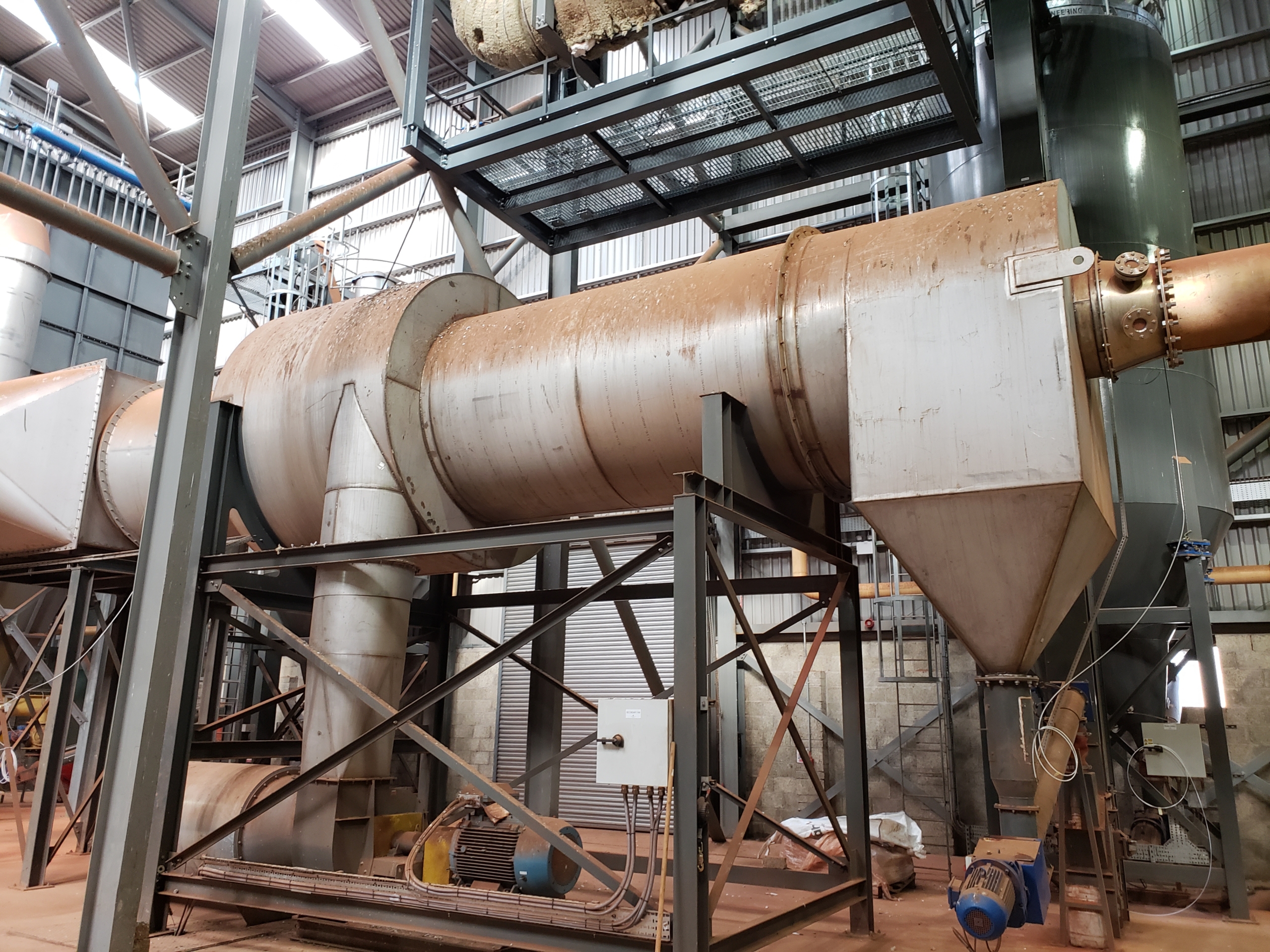
What’s the Best Method for Designing a Balanced System? | Aerodyne
When you are designing your ductwork, there are two ways you can do it. 1) You can use dampers to control the airflow at each pickup and balance the system or 2) You can balance by design which means the ductwork is designed so that the proper airflow goes through each pickup without the need to install dampers. There are positives and negatives with both. The following will go over them.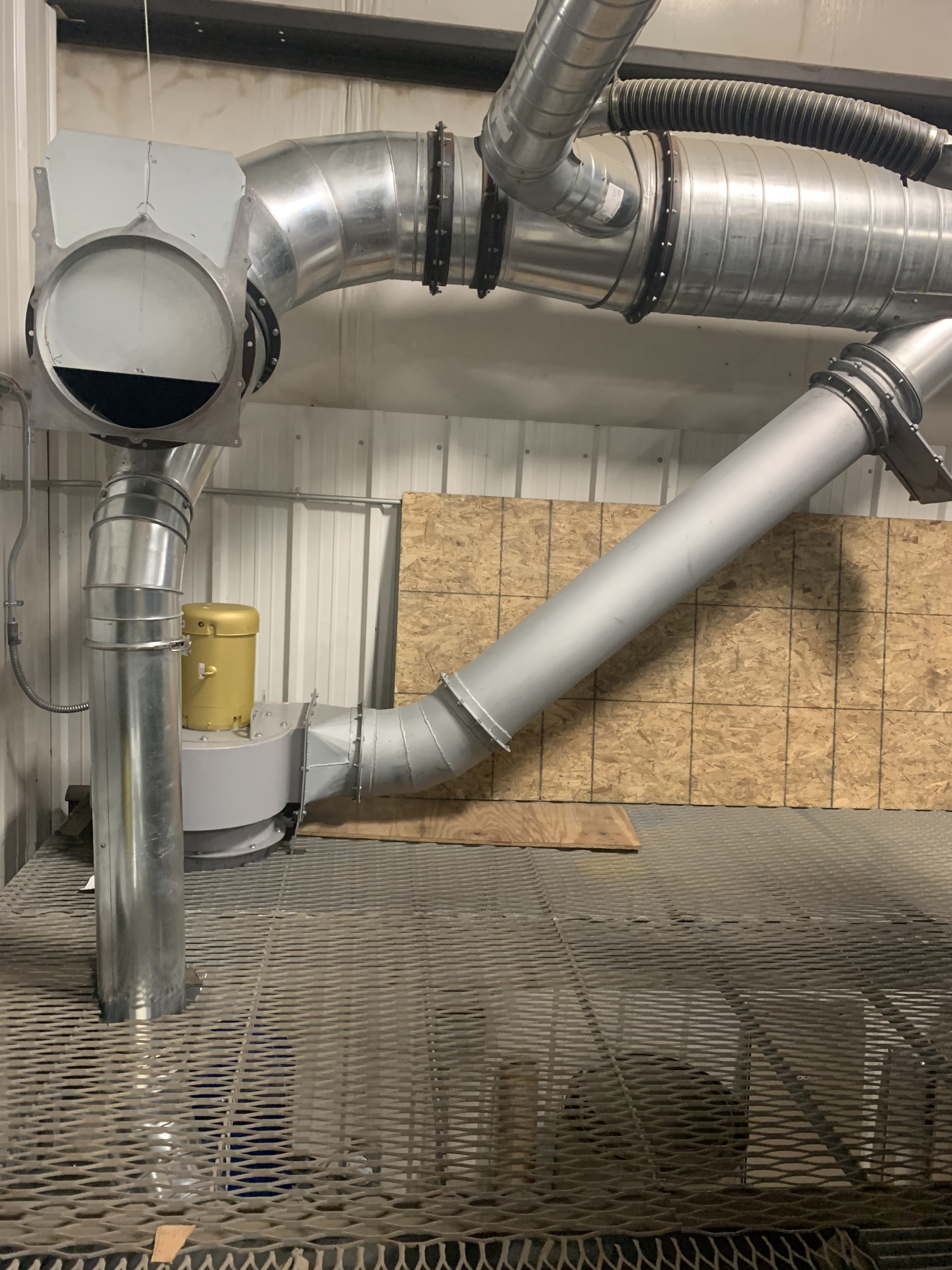
Air Velocities and Your Ductwork Design | Aerodyne
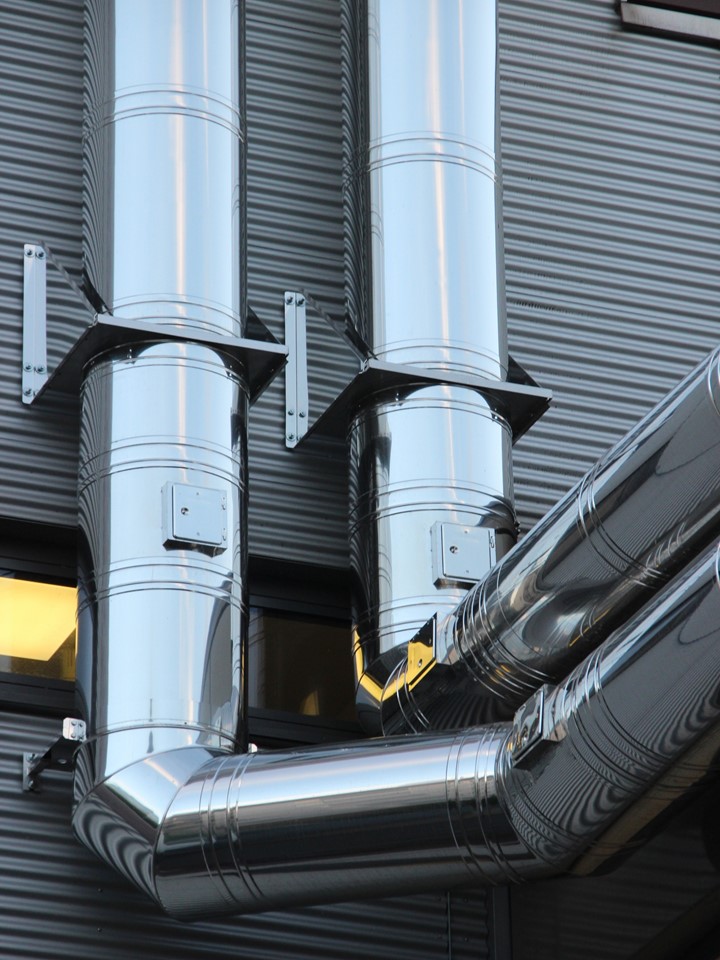 When designing a dust collection system, the ductwork is like the highways of the system. They allow the dust to move from the area of production to the dust collector. The dust should move fast enough so it doesn’t fall out while not moving too fast to cause undue wear and pressure drop. What this means is when you are designing your dust collector ductwork, pay attention to the ductwork diameters. When picking the ductwork diameters throughout the system, make sure the velocities correlate with the design velocities shown below.
How To Determine the Cost of a Cyclone – Part 6 | Aerodyne
Part 6: Scope of Supply
Cyclones do not stand alone in most applications; rather, they require additional equipment to function properly. Depending on your specific application, this equipment can include an airlock, exhaust fan, explosion protection, instrumentation, insulation, vibrator, and even ductwork. Moreover, a cyclone can be purchased either as a complete system with all the necessary equipment or by itself to be integrated into an existing system. In either case, the system is then assembled by the end user or a third party. Often, the total cost of the accessory equipment exceeds that of the cyclone itself. Below is a brief description of these potential accessories and how they impact the cyclone’s performance.
A Simple Way to Check Airflow in Your Dust Collection System | Aerodyne
Dust collection systems require the proper airflow to operate correctly. Without the correct air flow, dust will not be removed from collection points and the collection equipment (baghouse, cartridge collectors, cyclones, etc.) will not operate with maximum efficiency. However, if too much air is being pulled through the system, a variety of issues might ensue, such as product being lost, removal efficiency lowered, utility usage increased.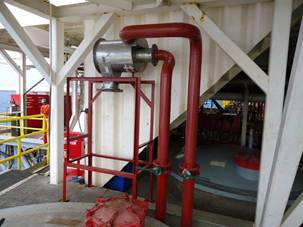
How Do I Inspect My Dust Collection System? | Aerodyne
 We all know that getting the oil change in our car regularly is important to the car being able to get you around when you need it. However, your dust collector needs regular maintenance too. The dust collector system consists of hoods, ductwork, air-material separators (cyclones, baghouse, cartridge collectors, wet scrubbers, etc.), explosion protection equipment, airlocks, instrumentation, and exhaust fans.
Dust Collector Placement Part 3: Distance from Process | Aerodyne
The Benefits and Restrictions of Clamp Together Ductwork | Aerodyne
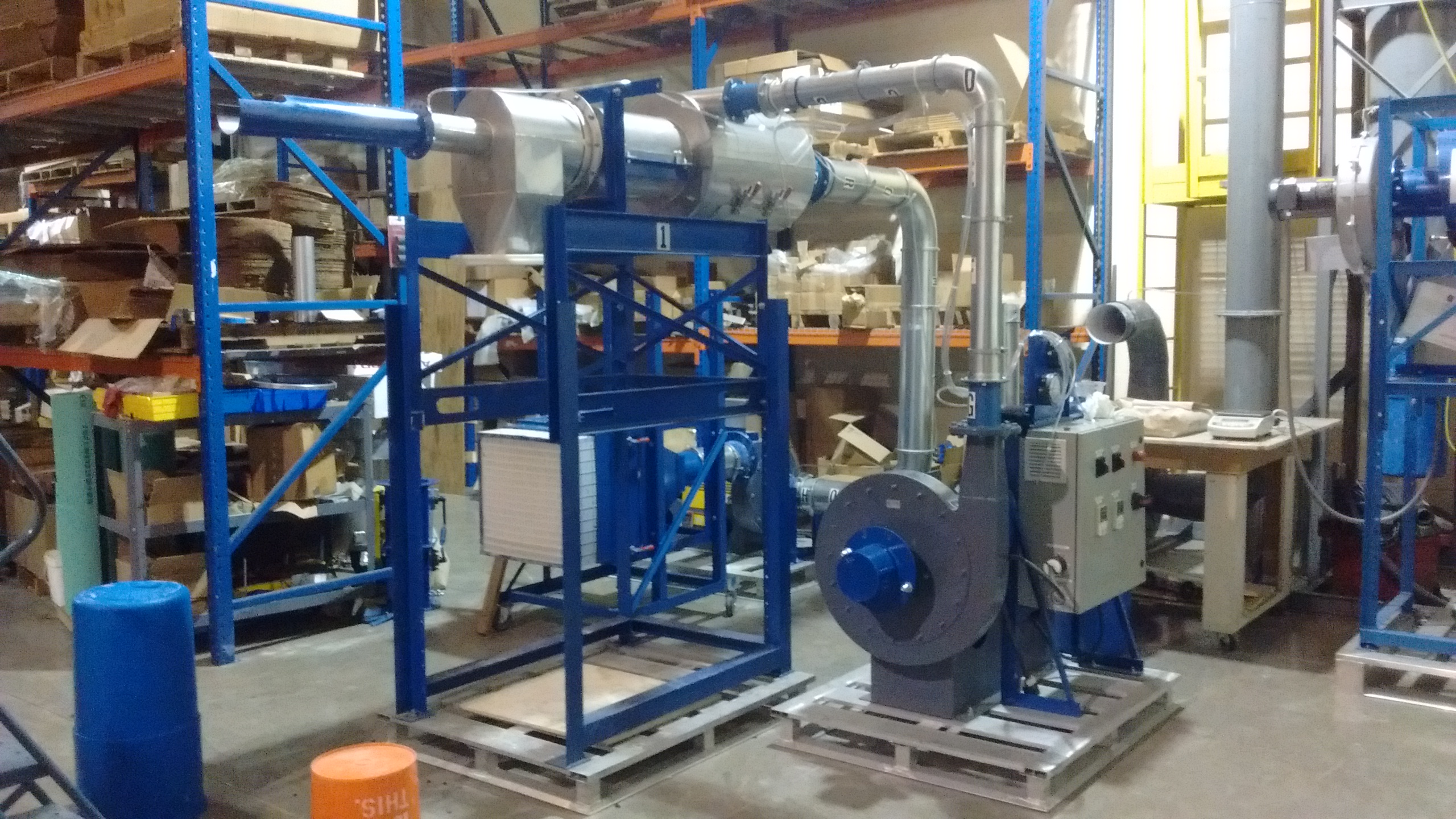 The use of clamp together ductwork has increased over the past few years. There are multiple suppliers of clamp together ductwork which helps to keep the prices down. Clamp together ductwork is easy to design and install.
Why You Should Pay Attention to Air Velocity in Your Dust Collection System
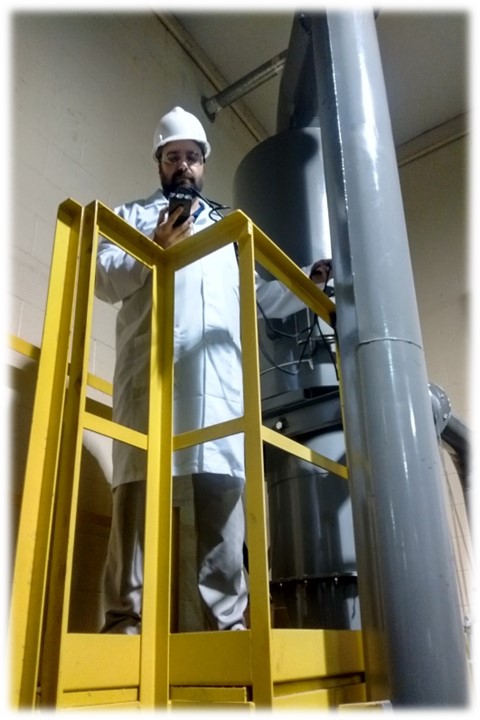 If your air velocity is too low in your ductwork you could get dust dropping out in straight runs. And dust collecting in ductwork is not a very good idea.