In industries that require effective dust collection systems, cyclones are well-known for their efficiency in removing dust and other particulate matter from air streams. They work as excellent pre-filters, reducing the load on baghouses or cartridge collectors and minimizing the risk of contamination. However, the challenge many facilities face is the limited headroom to install a traditional vertical cyclone or the lack of space to add a cyclone to an existing dust collection system. This is where horizontal cyclones provide a game-changing solution.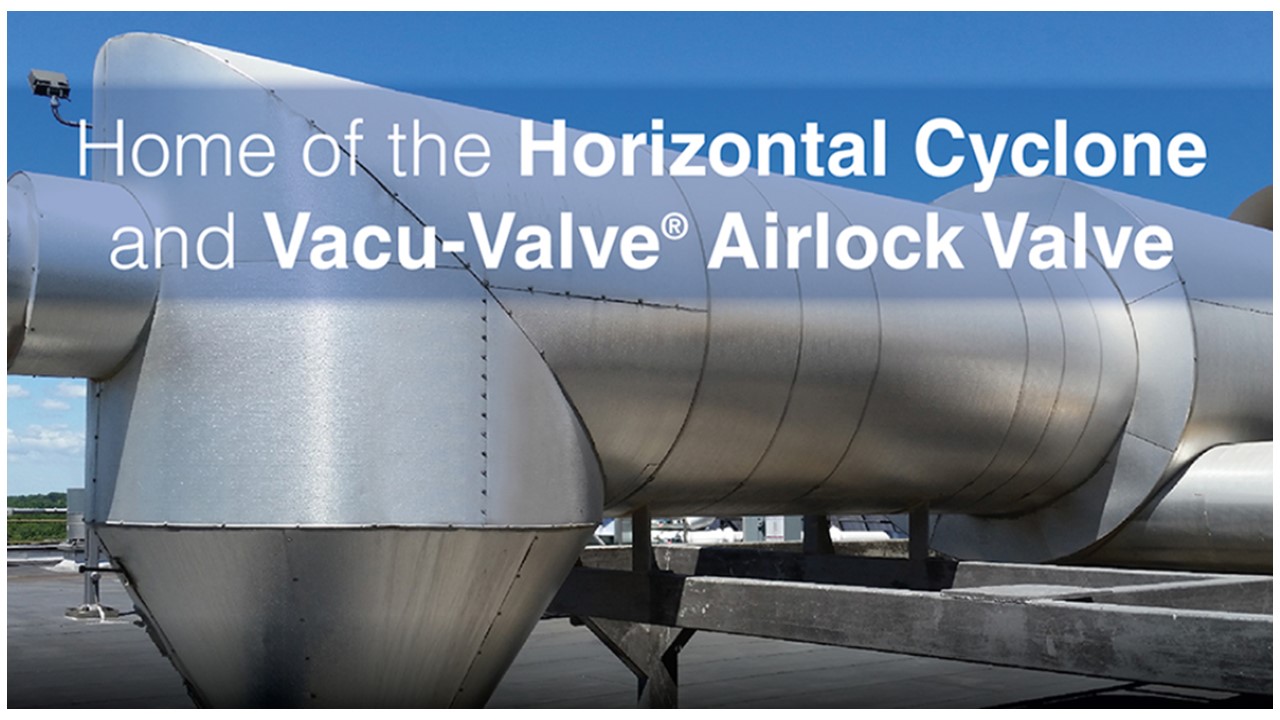
Posts about Horizontal Cyclone:
GPC Dust Collector: Efficiency and Space Savings | Aerodyne
Designing a ventilation system always involves considering space constraints. Ductwork, which is essential for air distribution, occupies space within the facility, and its design must efficiently use the available area while ensuring optimal airflow.
Unveiling Contrasts: Traditional Cyclone vs. Aerodyne Cyclone | Aerodyne
Aerodyne manufactures two different types of cyclones – the GPC (Ground Plate Cyclone) and the SplitStream Collector. These Aerodyne cyclones are not the traditional cyclones with which you are probably familiar. Both cyclones can be designed for vertical or horizontal installation; traditional cyclones can only be vertical. The Aerodyne GPC and SplitStream cyclones also provide high particulate removal efficiency. The following describes the different cyclones that are available along with their advantages and disadvantages.
Horizontal and High-Efficiency Cyclone | Aerodyne
One challenge to designing a manufacturing process is choosing an effective dust collection system that will fit the limited available plant space. Low ceilings pose a challenge for high-efficiency cyclones due to their long-tapered bodies. In many cases, the dust collector must be placed outdoors or partially protruding through the roof. This can be an unfavorable arrangement.
Dust Collection Systems Maintenance: The Cyclones and Filter Collectors | Aerodyne
Dust collection systems pick up dust generated by process equipment and move it away for disposal or to be recycled. They use hoods to gather the air around the dust generation equipment. The dusty air is then sent to the dust collection equipment through ductwork. The dust collection equipment often consists of a pre-filter to help collect the dust followed by the main dust collector. An exhaust fan is often at the end and it powers the system by pulling the air through each of these components.
5 FAQs of Small Cyclone Technology | Aerodyne
Smaller cyclones avoid many of the disadvantageous and time-intensive aspects of larger cyclones, including those relating to installation and regulatory compliance. Here are the five frequently asked questions about using small dust-collection cyclones.
High Temperatures Are No Problem for Cyclonic Dust Collector | Aerodyne
A manufacturer of grinding wheels in Niagara Falls, N.Y., needed to replace an existing dust collector used to collect dust coming off a rotary kiln. Initially, a bag house collector was considered to be the obvious solution. However, because the problem involved high temperatures – 700° F and above – specific efficiency requirements, moisture content problems, and future maintenance issues, the purchase of an Aerodyne SplitStream grinding dust collector was justified.
Questions to Ask When Evaluating Dust Collection System | Aerodyne
We all know that if we don’t regularly maintain our cars, we will end up having issues in the future. If we forget to change the oil, change the brakes or get a tune up, it will eventually catch up to us. Why do we think our dust collection system is any different? Dust collectors are made of various pieces, all of which have to be operating correctly for the system to operate as desired. Usually, a dust collection system consists of the dust collector, exhaust fan, ductwork, and hoods/pickup points. Additional accessories such as airlocks, controls, instrumentation, and dampers all can affect the operation of the system.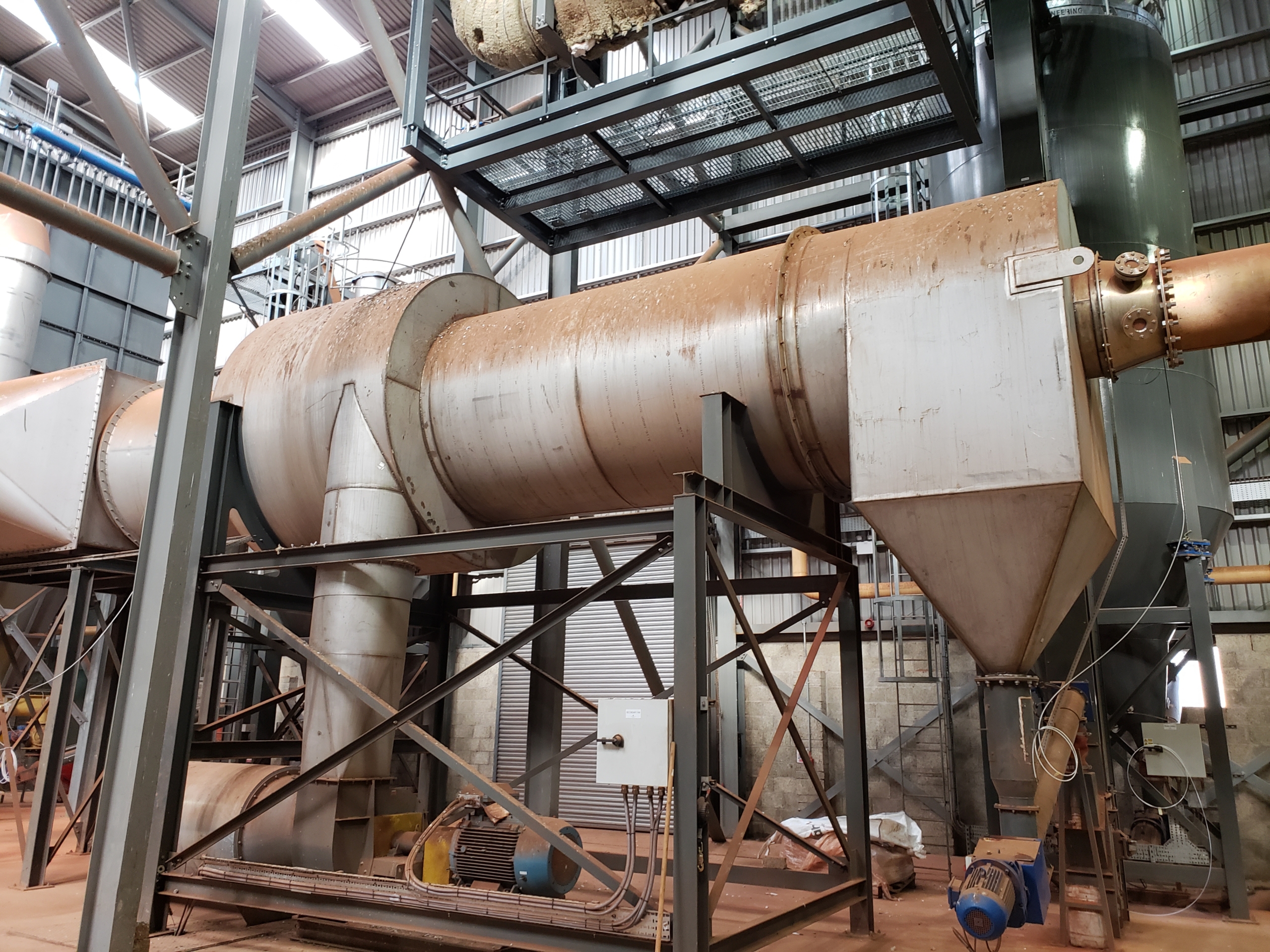
Why Learn the Shape of Your Dust? | Aerodyne
When we think about dust particles being picked up by dust collectors we think of the particles as small spheres. And often for theoretical removal efficiency of a dust collector the dust is assumed to be a sphere. This is done to simplify the calculations as spheres act predictably compared to other shapes. However in real life dust isn’t normally spherical in shape. Dust is often created by material rubbing against each other and breaking off. This material often breaks along weak points in the material structure, which often isn’t spherical in shape. The material can have a wide range of shapes.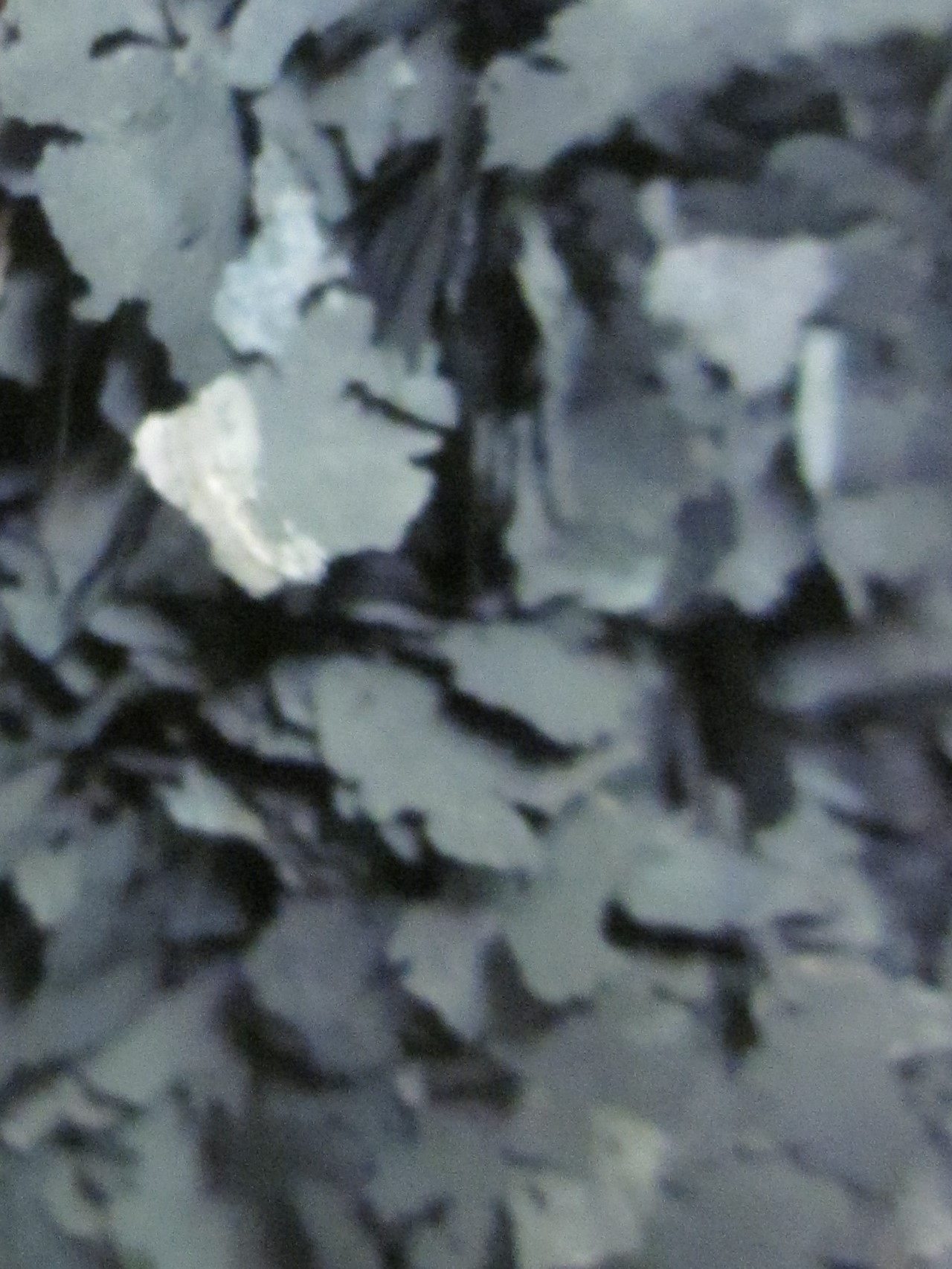
Dust Collector Hoppers Are Not For Material Storage | Aerodyne
One common mistake operators make in dust collectors is to use the dust collector hopper to store material. The hopper in a dust collector isn’t designed for this. Instead it is a temporary home for the dust collected while the material is being removed. This period should be as short as possible for the following reasons: