Cyclone pre-filters offer multiple advantages to existing dust collection systems. They lower the dust loading going into the dust collector, thereby allowing them to concentrate on the smallest particles. Here we will discuss the benefits for both wet collectors and dry collectors.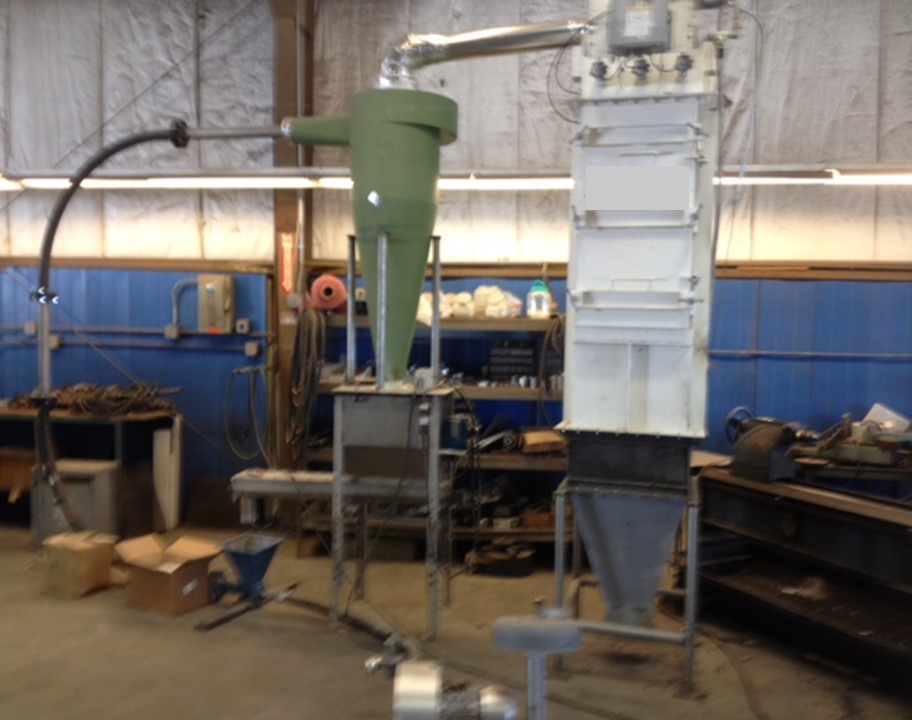
Posts about Dust Collectors (5):
Do Cyclones Replace Dust Collectors (Baghouses, Wet Scrubbers)?
In most applications, cyclones do NOT replace baghouses, cartridge collectors, wet scrubbers, electrostatic precipitators, etc. Modern air pollution regulations require dust collectors to provide greater removal efficiencies in the PM2 and PM10 than most cyclones can provide.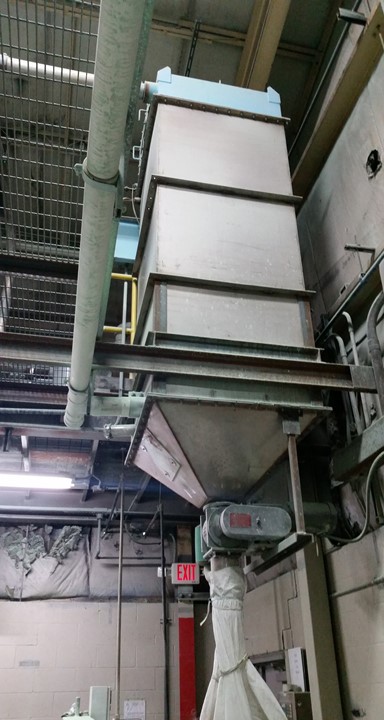
Why Is Particle Size Distribution Important? | Aerodyne
There are multiple ways to collect dust from the air. The most common are:
5 Signs You Need A Checkup On Your Dust Collection System | Aerodyne
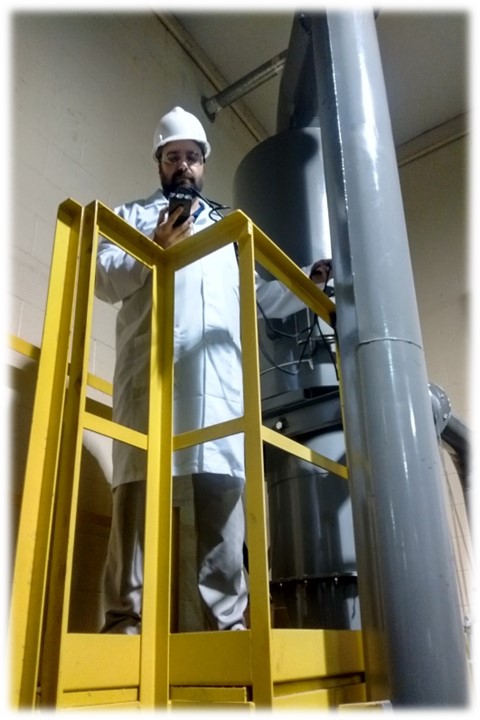 Dust collectors are required in facilities for multiple reasons. After installation, they are often forgotten about until something isn’t working right. In order to fix the problem, the system has to be almost re-engineered to figure out what the design originally was. The following things are signs your dust collector isn’t working how it was designed and you need to perform a checkup.
Why are Lower Cyclone Pressure Drops Not Always Better than Higher Pressure Drops? | Aerodyne
When designing a dust collection system, the static pressure required of the system is extremely important. The reason is because the exhaust fan must be able to pull the design airflow at the design static pressure in order to get the design performance. Usually the higher the static pressure is the greater power is required by the fan at a constant airflow. This means, dust collector system designers usually try to keep the total static pressure low, in order to go with a smaller fan that costs less to operate.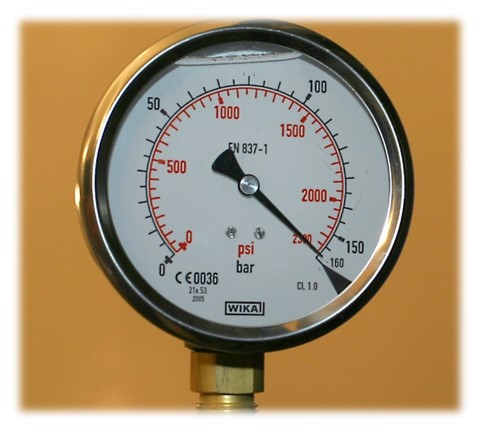
Dust Collector: Signs You Need a Pre-Filter | Aerodyne
Many dust collectors spend their time operating far below their potential. Whether the system was designed incorrectly, the process has changed, slow maintenance, or a combination of these, the dust collector isn’t operating at its finest. One possible solution is to install a pre-filter before your dust collector to help your dust collector to be all it can be!
How To Determine the Cost of a Cyclone – Part 5 | Aerodyne
When selecting the cyclone for a dust collection process, there are different factors affecting sizing and cost of the cyclone. The cyclone should be sized to compliment the airflow of the system and the required dust removal efficiency. Process conditions will dictate suitable materials of construction as well as any special design requirements.
How To Determine the Cost of a Cyclone – Part 3 | Aerodyne
When selecting the cyclone for a dust collection process, there are different factors affecting sizing and cost of the cyclone. The cyclone should be sized to compliment the airflow of the system and the required dust removal efficiency. Process conditions will dictate suitable materials of construction as well as any special design requirements.
How To Determine the Cost of a Cyclone – Part 2 | Aerodyne
When selecting the best cyclone for your process, there are many different factors that affect the sizing and cost of the cyclone. The cyclone must be sized so that it handles the airflow of the system and components. The proper design for the required removal efficiency must be used. The process will also dictate the materials of construction and special requirements. The location where the cyclone will be installed will influence the cyclone orientation. Cyclones aren’t a stand-alone piece of equipment; support equipment is required for proper operation. Therefore, the scope of supply will affect the cyclone costs and design. The following is a brief description of the different elements that affect cyclone sizing and pricing.
How To Determine the Cost of a Cyclone – Part 1 | Aerodyne
When selecting the best cyclone for your process, there are many different factors that affect the sizing and cost of the cyclone. The cyclone must be sized so that it handles the airflow of the system and components. The proper design for the required removal efficiency must be used. The process will also dictate the materials of construction and special requirements. The location where the cyclone will be installed will influence the cyclone orientation. Cyclones aren’t a stand-alone piece of equipment; support equipment is required for proper operation. Therefore, the scope of supply will affect the cyclone costs and design. The following is a brief description of the different elements that affect cyclone sizing and pricing.