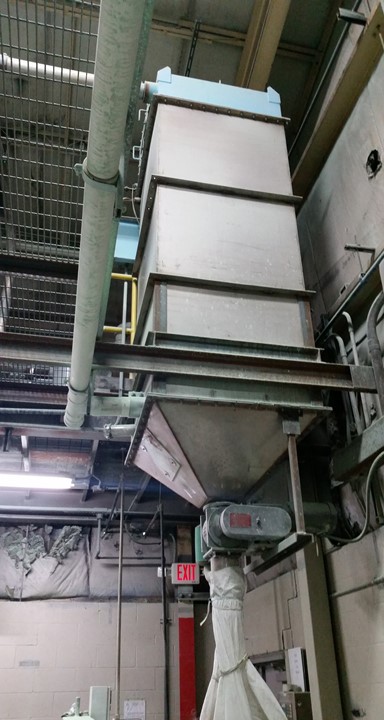
In industries that require effective dust collection systems, cyclones are well-known for their efficiency in removing dust and other particulate matter from air streams. They work as excellent pre-filters, reducing the load on baghouses or cartridge collectors and minimizing the risk of contamination. However, the challenge many facilities face is the limited headroom to install a traditional vertical cyclone or the lack of space to add a cyclone to an existing dust collection system. This is where horizontal cyclones provide a game-changing solution.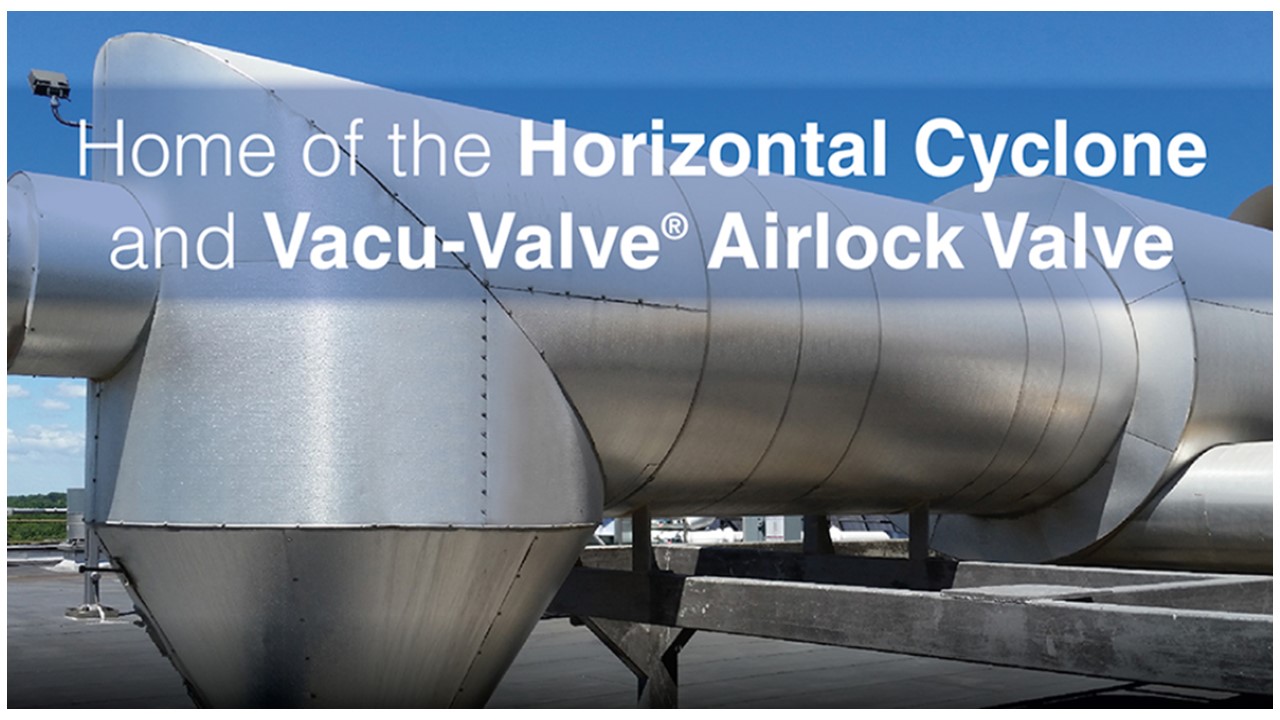
Posts about SplitScream Cyclone:
Extending Filter Lifespan with Cyclone Pre-Filters | Aerodyne
Baghouses and Cartridge collectors are very good at removing dust from their air. However, when the dust concentration is high, or the dust is abrasive, wet, sticky or fibrous, the baghouse filters can have issues.
GPC Dust Collector: Efficiency and Space Savings | Aerodyne
Designing a ventilation system always involves considering space constraints. Ductwork, which is essential for air distribution, occupies space within the facility, and its design must efficiently use the available area while ensuring optimal airflow.
Unveiling Contrasts: Traditional Cyclone vs. Aerodyne Cyclone | Aerodyne
Aerodyne manufactures two different types of cyclones – the GPC (Ground Plate Cyclone) and the SplitStream Collector. These Aerodyne cyclones are not the traditional cyclones with which you are probably familiar. Both cyclones can be designed for vertical or horizontal installation; traditional cyclones can only be vertical. The Aerodyne GPC and SplitStream cyclones also provide high particulate removal efficiency. The following describes the different cyclones that are available along with their advantages and disadvantages.
Horizontal and High-Efficiency Cyclone | Aerodyne
One challenge to designing a manufacturing process is choosing an effective dust collection system that will fit the limited available plant space. Low ceilings pose a challenge for high-efficiency cyclones due to their long-tapered bodies. In many cases, the dust collector must be placed outdoors or partially protruding through the roof. This can be an unfavorable arrangement.
5 FAQs of Small Cyclone Technology | Aerodyne
Smaller cyclones avoid many of the disadvantageous and time-intensive aspects of larger cyclones, including those relating to installation and regulatory compliance. Here are the five frequently asked questions about using small dust-collection cyclones.
High Temperatures Are No Problem for Cyclonic Dust Collector | Aerodyne
A manufacturer of grinding wheels in Niagara Falls, N.Y., needed to replace an existing dust collector used to collect dust coming off a rotary kiln. Initially, a bag house collector was considered to be the obvious solution. However, because the problem involved high temperatures – 700° F and above – specific efficiency requirements, moisture content problems, and future maintenance issues, the purchase of an Aerodyne SplitStream grinding dust collector was justified.
5 Key Questions to Ask Before Choosing a Cyclone Dust Collector
Designing a dust collection system can be quite a daunting task. With so many collector options and so many application variables to consider, it is difficult to know where to begin. Cyclones are among the oldest and still most reliable methods of dust collection available. Because they require very little maintenance, have low up-front cost, and offer unmatched versatility, cyclone collectors remain a viable solution to many air-handling challenges. Although heightened environmental regulations and collection efficiency needs have shifted industry toward the use of filter-media collectors, cyclonic dust collection still plays a vital role in many air-handling systems. These five questions will help determine if a cyclone dust collector is right for your application.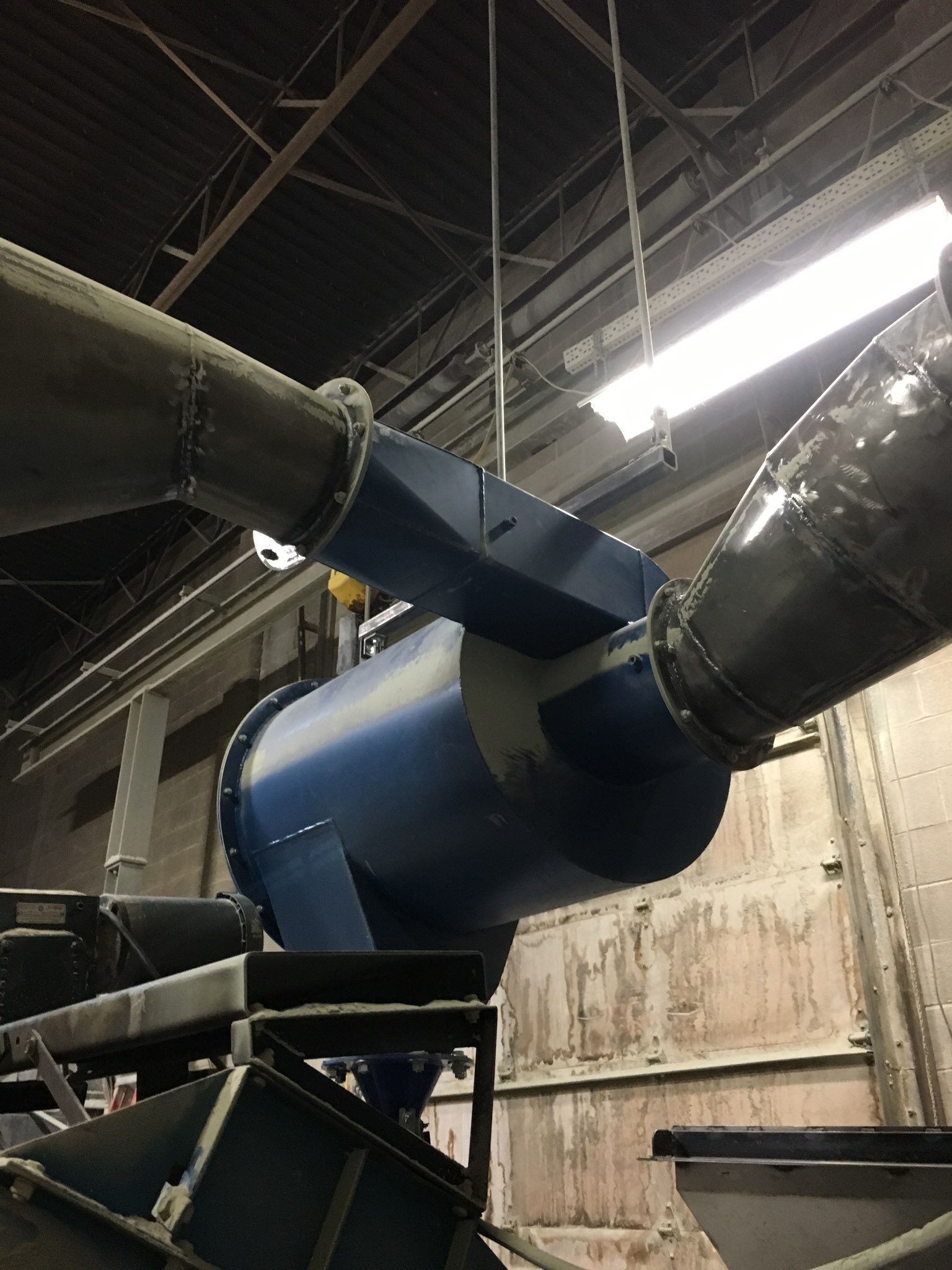
Proper Placement of Your Dust Collector Depends on the Job | Aerodyne
Dust collectors can be used for a variety of reasons. Some dust collectors are placed around applications that create dust such as saws, grinders, lathes, etc. The dust collector system is used to pull air from the area producing the dust via a hood and through some ductwork until it gets to the dust collector. The dust collector then separates the dust from the air.
Do Cyclones Replace Dust Collectors (Baghouses, Wet Scrubbers)?
In most applications, cyclones do NOT replace baghouses, cartridge collectors, wet scrubbers, electrostatic precipitators, etc. Modern air pollution regulations require dust collectors to provide greater removal efficiencies in the PM2 and PM10 than most cyclones can provide.