This is one of the most important questions you can ask. The answer to this question can require you to invest in expensive protection equipment or not, but that is much better than the loss of thousands of dollars in equipment, production time, and most importantly, employee safety. There are a few ways to answer this question. Some of which are safer than others. The main question you will need to ask yourself, is the dust combustible?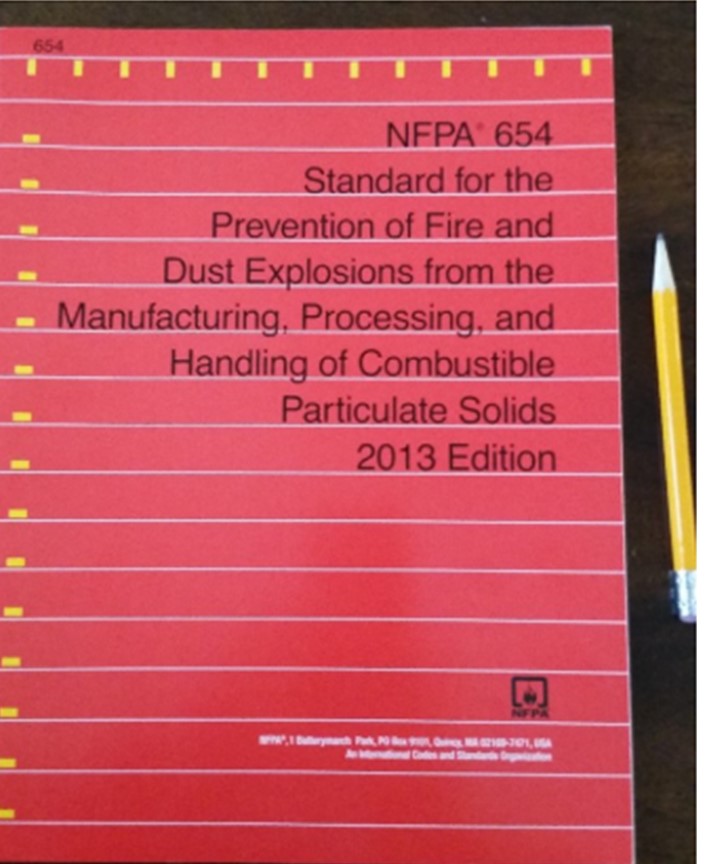
Posts about Dust Hazard Analysis:
Mini DHA for Adding Cyclone to Compliant System | Aerodyne
Not only do NFPA regulations require a DHA (Dust Hazard Analysis) to be done on all systems that might have explosive dust, they also require the DHA to be updated every 5 years and whenever the system changes.
Dust Efficiency Clinic Helps Facilities Get into Compliance | Aerodyne
 OSHA is issuing citations and fines to companies with unsafe combustible dust hazards, using their general duty clause and NFPA 652: Standard on the Fundamentals of Combustible Dust as a guideline. Any industrial facility that creates dusts or uses powders was mandated by NFPA 652 to complete a Dust Hazard Analysis by September, 2020 to identify the presence of combustible dusts and establish a plan for eliminating or mitigating potential risks associated with these dusts in their facilities. The DHA is essentially the framework around which NFPA 652 is built, and the starting point for getting a facility into compliance with the standard as a whole.
Why Install Dust Collectors Even If It Is Not Required | Aerodyne
The most basic reason to install dust collectors is because the EPA, OSHA or other regulatory agency requires you to. However there are other reasons to install a dust collector even if you aren’t required to.