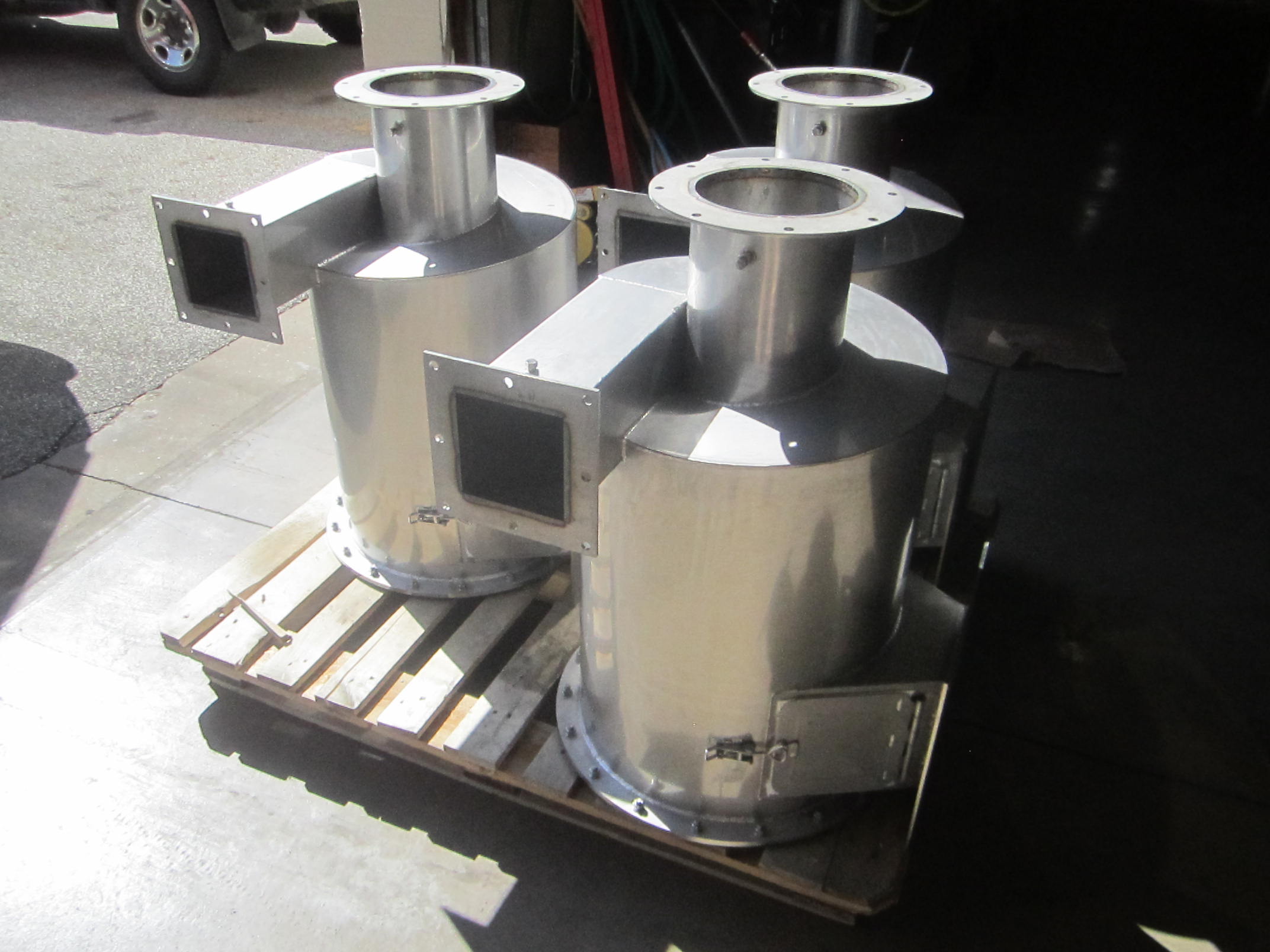
 Once you’ve selected and sized your dust collector to meet the specific needs of your application, it’s crucial to address several additional factors to ensure that this vital piece of equipment operates both efficiently and reliably. Whether you’re installing a baghouse, cartridge filter, cyclone, or a combination of these dust collection systems, meticulous attention to detail during both the pre-installation and post-installation phases can significantly impact performance and longevity. Here’s an expanded guide covering essential aspects to ensure a seamless installation and optimal operation of your dust collection system:
Posts about Dust Efficiency Clinic:
Ensuring Effective Dust Collection System Management | Aerodyne
A common problem that the dust collection industry faces is that once a dust collection system is installed, the records of the system are often lost or forgotten. Typically, the engineer who designed the system moves to another position or eventually retires, and the details are not passed along to the next person. This lack of continuity can lead to significant challenges when issues develop.
Plan Your Parts and Inspections Before Plant Shutdowns | Aerodyne
Now that it is spring, it’s time to start thinking about summer shut down! If you are planning on doing maintenance on your dust collection system now is the time to order your parts.
How Do I Inspect My Dust Collection System? | Aerodyne
 We all know that getting the oil change in our car regularly is important to the car being able to get you around when you need it. However, your dust collector needs regular maintenance too. The dust collector system consists of hoods, ductwork, air-material separators (cyclones, baghouse, cartridge collectors, wet scrubbers, etc.), explosion protection equipment, airlocks, instrumentation, and exhaust fans.
Importance of Keeping Dust Collector Records | Aerodyne
Dust Efficiency Clinic Helps Facilities Get into Compliance | Aerodyne
 OSHA is issuing citations and fines to companies with unsafe combustible dust hazards, using their general duty clause and NFPA 652: Standard on the Fundamentals of Combustible Dust as a guideline. Any industrial facility that creates dusts or uses powders was mandated by NFPA 652 to complete a Dust Hazard Analysis by September, 2020 to identify the presence of combustible dusts and establish a plan for eliminating or mitigating potential risks associated with these dusts in their facilities. The DHA is essentially the framework around which NFPA 652 is built, and the starting point for getting a facility into compliance with the standard as a whole.
Why Install Dust Collectors Even If It Is Not Required | Aerodyne
The most basic reason to install dust collectors is because the EPA, OSHA or other regulatory agency requires you to. However there are other reasons to install a dust collector even if you aren’t required to.
It’s a New Year…Have You Checked Your Dust Collector??
A simple dust collection system is composed of the exhaust fan, dust collector (cyclone, baghouse, cartridge collector, wet scrubber, etc.), ductwork, and hoods. An issue with one of these components could cause your dust collection system to fail or not work as designed. However, the dust collector is usually the most complex component and the most likely to develop issues, but is often the most neglected. Just like an automobile, proper maintenance of a dust collector could save a whole lot of issues in the future.
Are you wasting time using compressed air to clean your baghouse or cartridge collector?
Baghouses and cartridge collectors often use compressed air / plant air to clean the filters. By pushing compressed air through the filter, in theory, dust should be removed from the filters. However, air compressors are high maintenance pieces of equipment that have high operating costs. Also, the filters are never completely dust free after an air blast, meaning that, over time they become blinded. This high time-and-monetary cost can be lowered by breaking away from using compressed air and instead using a cyclone pre-filter in your dust collection system.
Hoods – A Vital Component in a Dust Collection System
Hoods are probably most important component in a dust collection system because they will: