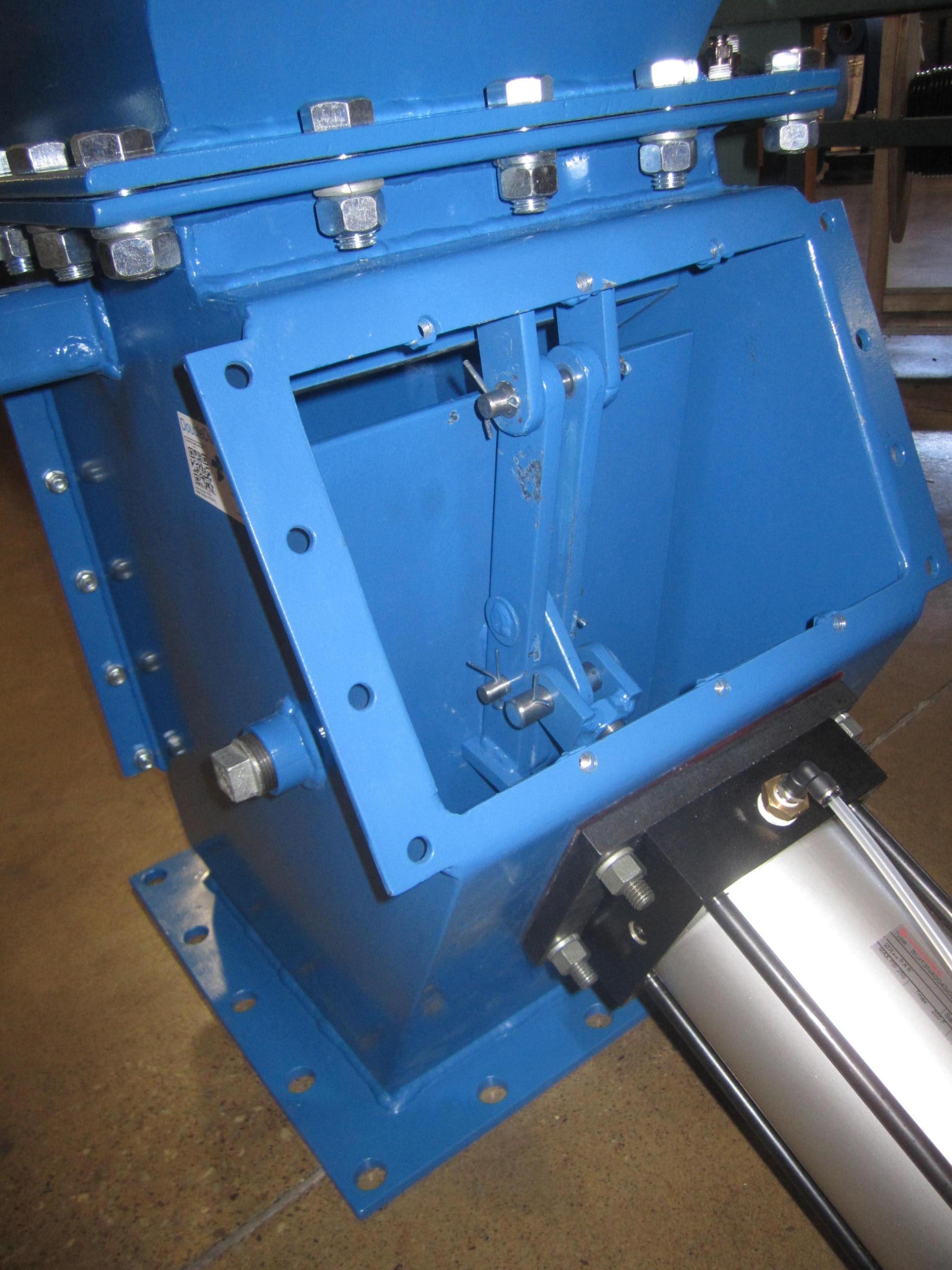
When working with dust collectors, it’s easy to focus only on the filters and the fan. But one small component can make or break the whole system’s performance: what’s installed under the hopper. Choosing the right device to manage dust discharge is critical to maintaining system efficiency, protecting your equipment, and ensuring safety. In many cases, the simplest and most effective solution is a trickle valve.
Posts about Airlock Valves:
Why a Double-Dump Valve is the Best Choice for Abrasive Materials | Aerodyne
When handling large, abrasive materials like sand, coffee, foundry dust, limestone dust, and other minerals, selecting the right dry solids material handling valve is essential. The wrong valve choice can result in excessive maintenance, system inefficiencies, and costly downtime. A double-dump valve is an ideal solution for facilities dealing with these tough materials, offering long-term durability and minimal wear compared to other valve types. If your operation involves high-abrasion materials, making an informed valve selection can save both time and money, while enhancing system performance.
Trickle Valves: The Low-Maintenance, Cost-Effective Solution for Industrial Material Handling | Aerodyne
When it comes to managing the flow of dense, free-flowing materials in industrial settings, efficiency and cost-effectiveness are crucial. Many facilities rely on traditional motorized rotary valves, but these come with significant maintenance needs and operational challenges. Enter the trickle valve—an often-overlooked, low-cost solution for dust collection that offers simplicity, durability, and efficiency.
Enhancing Foundry Efficiency with Aerodyne Environmental Solutions | Aerodyne
The foundry industry, known for its demanding environments and complex processes, requires reliable, efficient equipment to maintain productivity and minimize downtime. Aerodyne Environmental, a leader in industrial air quality solutions, has been serving the foundry sector since the 1970s with innovative products that optimize dust collection and material handling.
The Essential Role of Dust Collectors in Mining and Quarry Operations | Aerodyne
 The mining and quarry industries are known for their inherent risks and hazards. For the workers and companies in these fields, safety is not just a priority—it’s a lifeline. Yet, these industries continue to face critical challenges that demand attention, including fire hazards, dangerous dust, and the need to protect both employees and nearby communities. Thankfully, modern dust collection systems are transforming the way we manage these risks, offering safety benefits, environmental protections, and even financial advantages.
Optimizing Dust Collector Installation and Operation: Comprehensive Guidelines for Success | Aerodyne
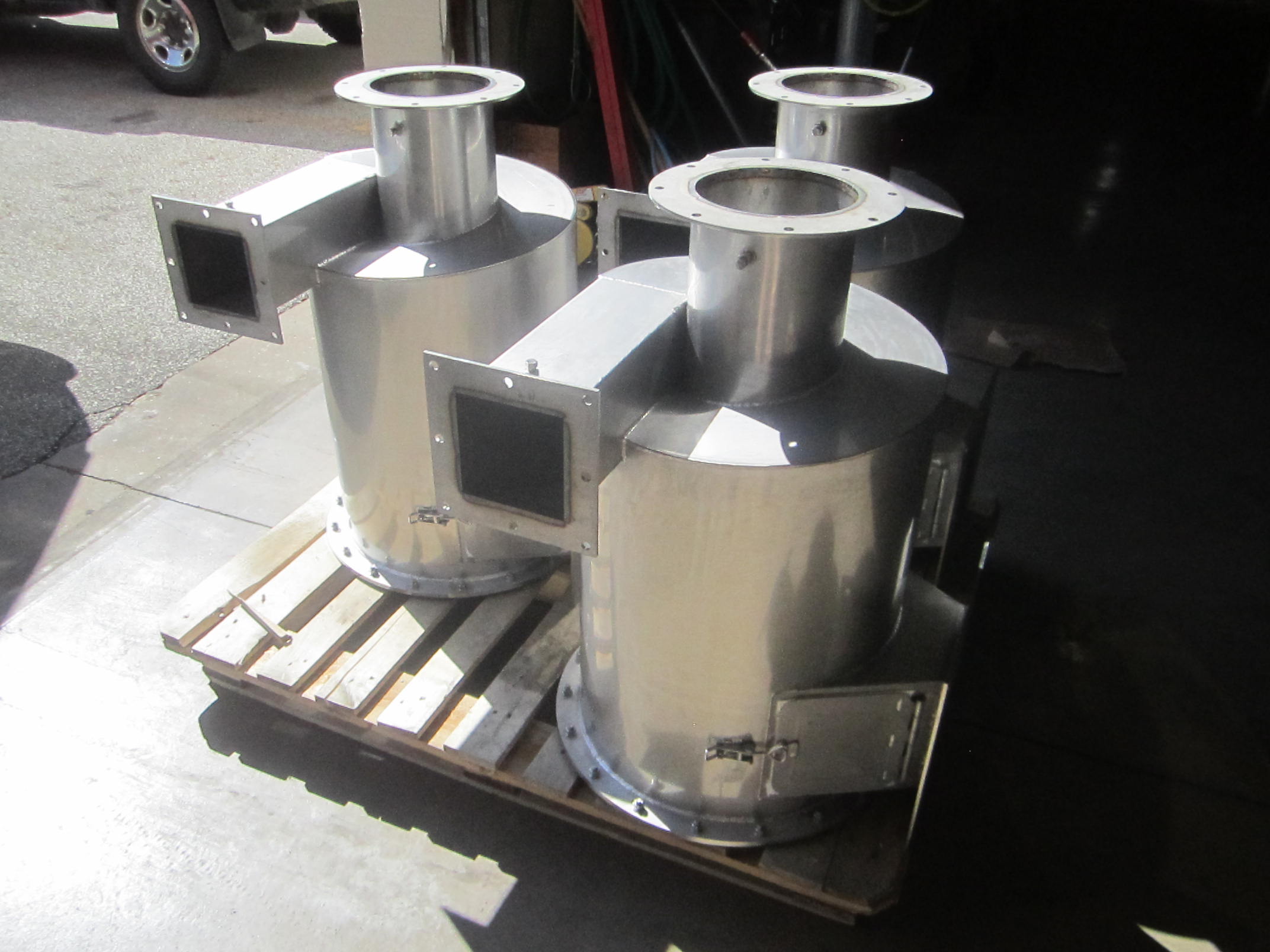 Once you’ve selected and sized your dust collector to meet the specific needs of your application, it’s crucial to address several additional factors to ensure that this vital piece of equipment operates both efficiently and reliably. Whether you’re installing a baghouse, cartridge filter, cyclone, or a combination of these dust collection systems, meticulous attention to detail during both the pre-installation and post-installation phases can significantly impact performance and longevity. Here’s an expanded guide covering essential aspects to ensure a seamless installation and optimal operation of your dust collection system:
Revolutionizing Dust Collection: Aerodyne Vacu-Valve vs. Rotary Airlocks | Aerodyne
In industrial settings, dust collection systems are vital for maintaining clean and safe work environments. Most dust collectors are equipped with a motor-driven rotary airlock valve that efficiently empties contents from the hoppers. Rotary valves have been a staple in dust collection technology for many years due to their reliability and effectiveness in managing dust discharge. They offer certain advantages, such as the ability to handle a continuous flow of dust and debris. However, these traditional systems come with several significant drawbacks.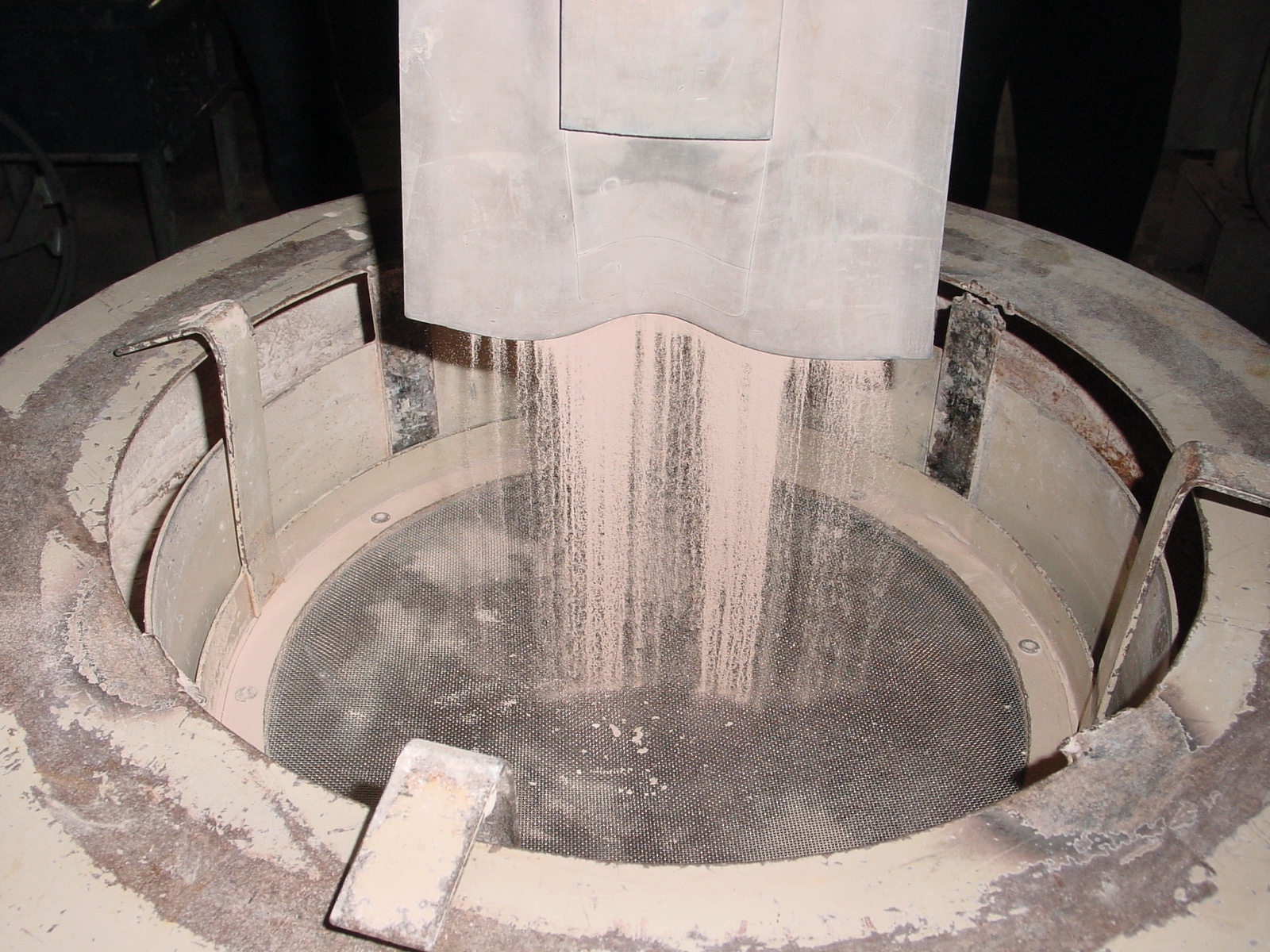
Optimizing Dust Collection Efficiency: Exploring Airlock Alternatives | Aerodyne
Selecting the appropriate airlock for your dust collection system is crucial for ensuring optimal performance and efficiency. While the rotary valve is a common choice, exploring alternative airlock options can lead to better results tailored to your specific application needs. In this article, we’ll delve deeper into the various airlock alternatives available, highlighting their features, benefits, and suitability for different scenarios.
When to Use a Non-Powered Automatic Valve for Dust Discharge | Aerodyne
Look under almost any dust collector and you will see a rotary airlock valve spinning its rotor and emptying the collected contents from the hopper. These valves have long been used to maintain a seal in vacuum dust collection systems while simultaneously providing an escape route for the dust.
Top 5 Questions to Ask When Choosing a Material Handling Valve | Aerodyne
Material handling valves come in all shapes, sizes, varieties, and with hundreds of available options. From rotary valves and knife gate valves to double dump valves and trickle valves the choices are nearly endless. With such a vast selection available, choosing the right material handling valve for a given application can be a difficult task and choosing the wrong valve can be costly.