In industries that require effective dust collection systems, cyclones are well-known for their efficiency in removing dust and other particulate matter from air streams. They work as excellent pre-filters, reducing the load on baghouses or cartridge collectors and minimizing the risk of contamination. However, the challenge many facilities face is the limited headroom to install a traditional vertical cyclone or the lack of space to add a cyclone to an existing dust collection system. This is where horizontal cyclones provide a game-changing solution.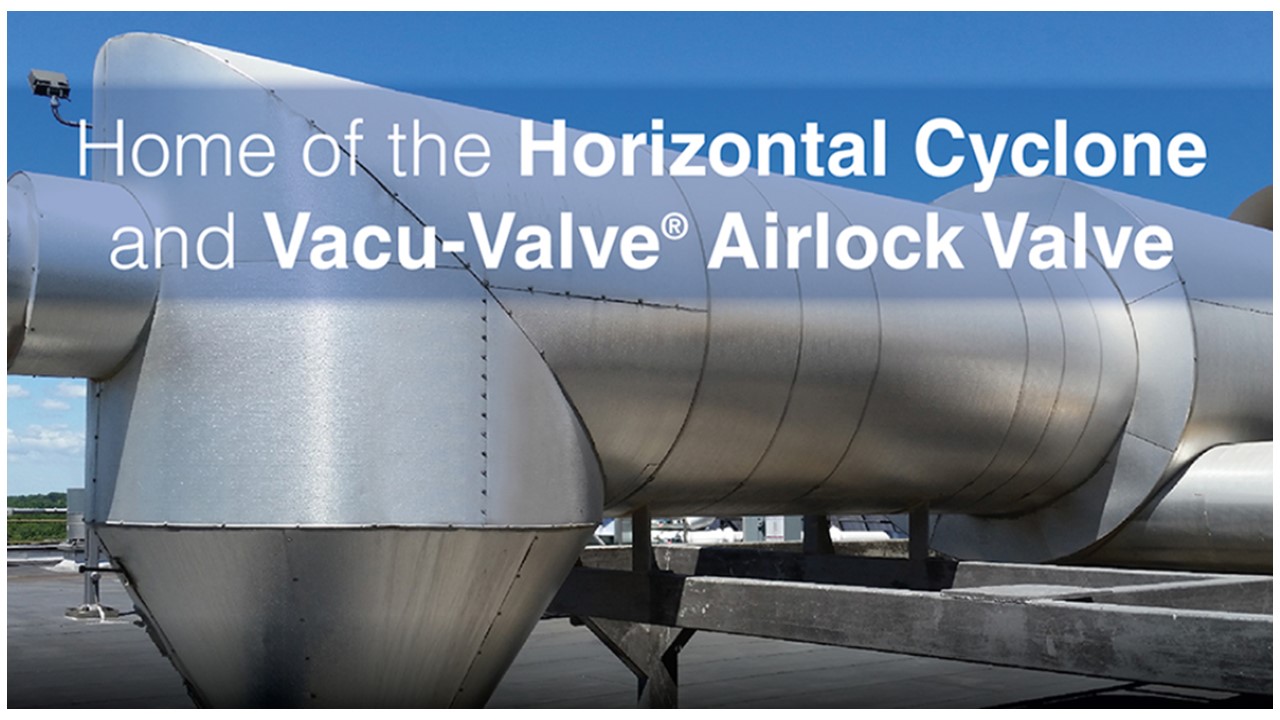
Posts about GPC Cyclone:
Why Companies Avoid Upgrading Dust Collectors? | Aerodyne
Dust collectors are vital components in many industrial settings, responsible for maintaining air quality and ensuring the safety of workers. However, despite their importance, some companies hesitate to replace their aging dust collection systems. In this blog post, we’ll delve into the reasons behind this hesitation and explore why upgrading dust collectors is crucial for both worker safety and operational efficiency.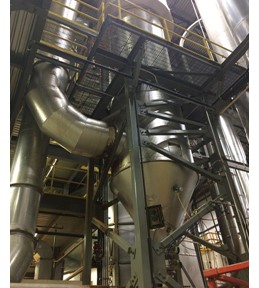
How to Enhance Your Dust Collection System | Aerodyne
Maintaining a clean and safe working environment is essential, especially in workshops and industrial settings where dust and airborne particles are common byproducts. A well-designed dust collection system is crucial for both the health of workers and the longevity of machinery. We will explore various ways to enhance the performance of your dust collection system, ensuring optimal efficiency and effectiveness.
Extending Filter Lifespan with Cyclone Pre-Filters | Aerodyne
Baghouses and Cartridge collectors are very good at removing dust from their air. However, when the dust concentration is high, or the dust is abrasive, wet, sticky or fibrous, the baghouse filters can have issues.
GPC Dust Collector: Efficiency and Space Savings | Aerodyne
Designing a ventilation system always involves considering space constraints. Ductwork, which is essential for air distribution, occupies space within the facility, and its design must efficiently use the available area while ensuring optimal airflow.
Unveiling Contrasts: Traditional Cyclone vs. Aerodyne Cyclone | Aerodyne
Aerodyne manufactures two different types of cyclones – the GPC (Ground Plate Cyclone) and the SplitStream Collector. These Aerodyne cyclones are not the traditional cyclones with which you are probably familiar. Both cyclones can be designed for vertical or horizontal installation; traditional cyclones can only be vertical. The Aerodyne GPC and SplitStream cyclones also provide high particulate removal efficiency. The following describes the different cyclones that are available along with their advantages and disadvantages.
Horizontal and High-Efficiency Cyclone | Aerodyne
One challenge to designing a manufacturing process is choosing an effective dust collection system that will fit the limited available plant space. Low ceilings pose a challenge for high-efficiency cyclones due to their long-tapered bodies. In many cases, the dust collector must be placed outdoors or partially protruding through the roof. This can be an unfavorable arrangement.
What kind of dust collectors are there? | Aerodyne
For the past several decades, industrial facilities in a wide variety of industries have deployed dust collection systems as part of its manufacturing process. As technology and filtration techniques have improved, these systems have changed and evolved to become more sophisticated, and at times complex.
Dust Collection Systems Maintenance: The Cyclones and Filter Collectors | Aerodyne
Dust collection systems pick up dust generated by process equipment and move it away for disposal or to be recycled. They use hoods to gather the air around the dust generation equipment. The dusty air is then sent to the dust collection equipment through ductwork. The dust collection equipment often consists of a pre-filter to help collect the dust followed by the main dust collector. An exhaust fan is often at the end and it powers the system by pulling the air through each of these components.
Exhaust Fans: The Motive Force of a Dust Collection System | Aerodyne
The exhaust fan provides the motive force for the dust collection system. The exhaust fan has a performance curve that defines how much airflow it will pull at a certain static pressure. When you turn on a fan, it will ramp up and increase the airflow until reaching the maximum static pressure it can provide.