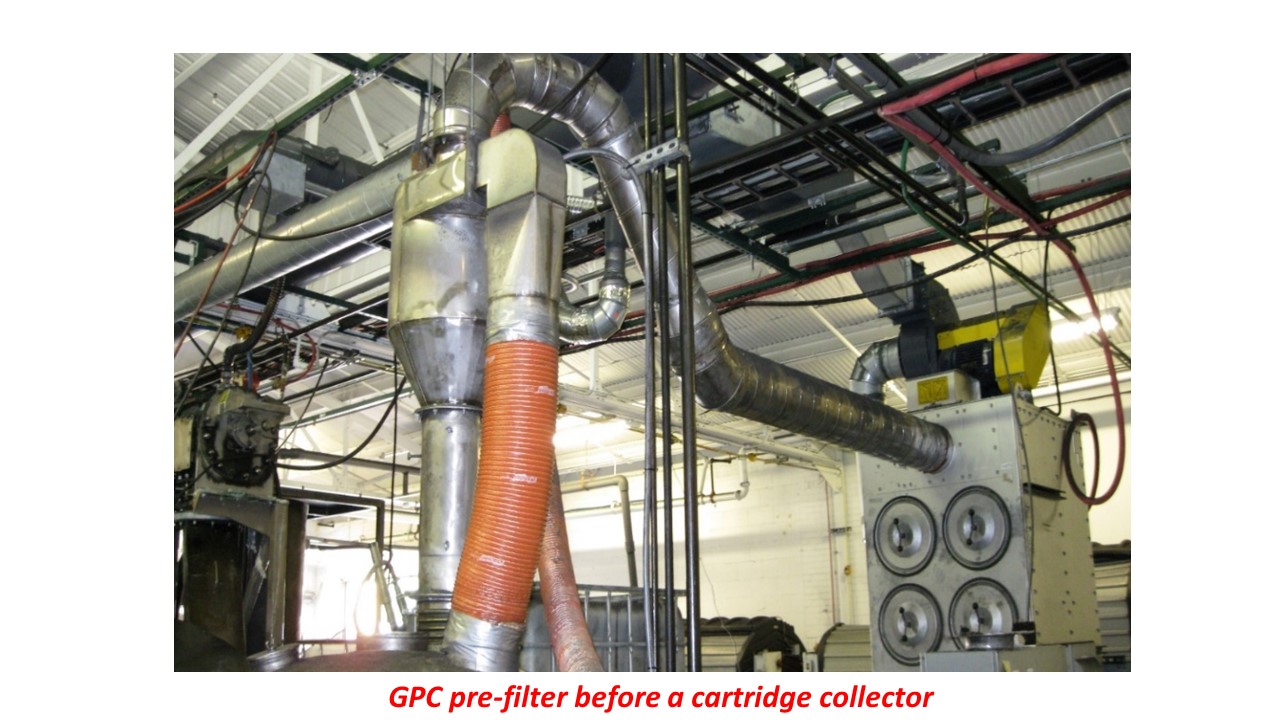
For the past several decades, industrial facilities in a wide variety of industries have deployed dust collection systems as part of its manufacturing process. As technology and filtration techniques have improved, these systems have changed and evolved to become more sophisticated, and at times complex.
Posts about Baghouses:
Dust Re-Entrainment | Aerodyne
The key function of a collector is to remove the maximum volume of dust from the airstream. Additionally, an important part of the process is keeping the removed dust from re-entraining.
Dust Collector Placement Part 4: Surrounding Areas | Aerodyne
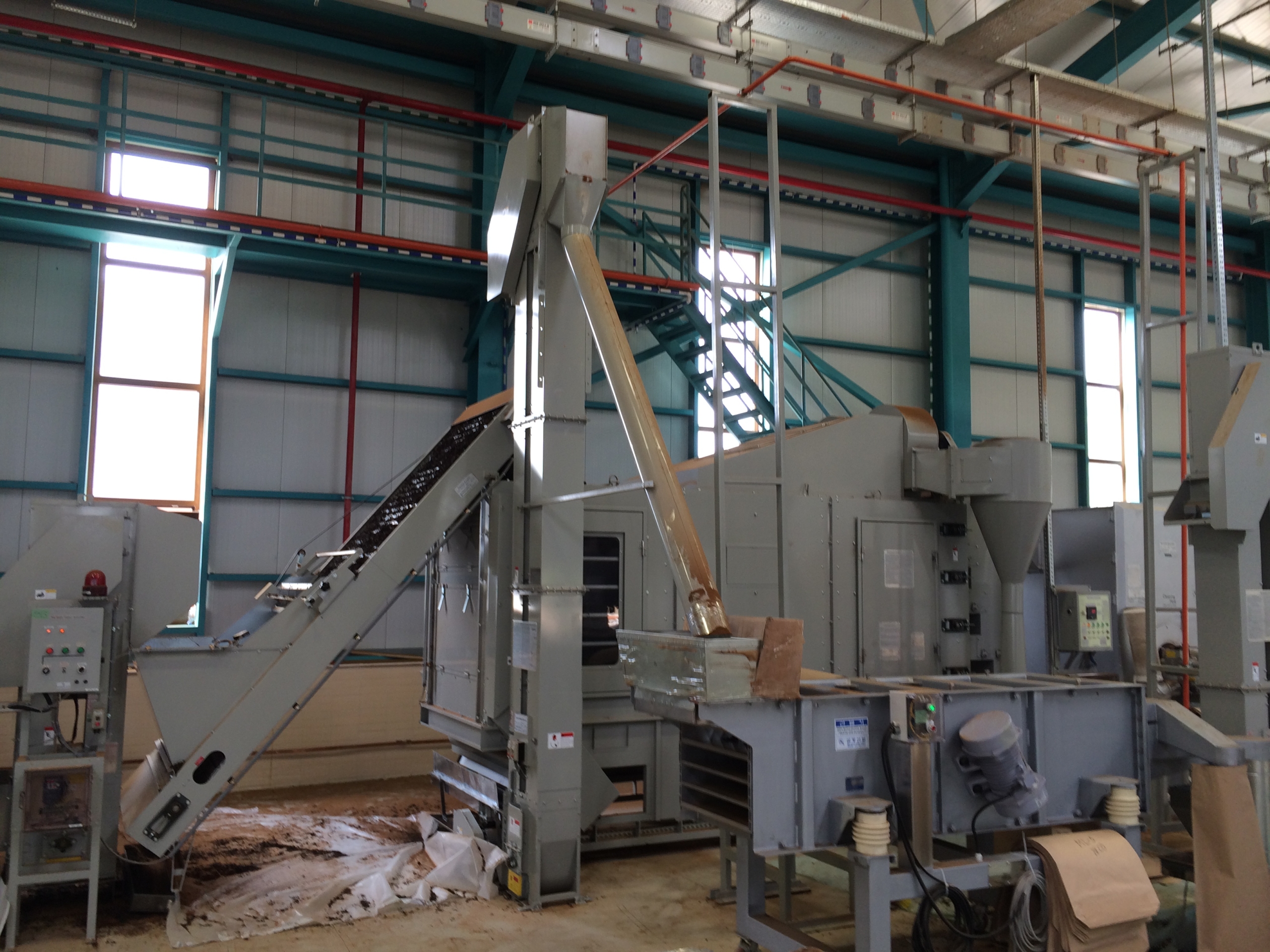 When it is time to add a dust collector to your application, you have to find a place for the dust collector. This isn’t always easy. New facilities are usually designed around the equipment that is being installed. However when a system in an existing facility is modified or installed, you will have limited space to install the dust collector system. There are four factors that you should take into account when finding a place for your dust collector. (Part 4 of 4)
The Effects of Humidity & Compressed Air on Dust Collectors
Dry dust collectors and humidity don’t react well together. Baghouses and cartridge collectors operate by having dirty (dusty) air enter the housing. Multiple filters (bags or cartridges) are located in the housing. The air travels through the filter and then exits the dust collector. The filters are a mesh of fibers that allow air to travel through small holes, while dust is too large to pass. The dust builds up a layer (dust cake), further limiting the subsequent dust’s ability to pass through while allowing the air to pass. From time to time the dust collector will clean the filters by shaking them or using compressed air to expand them. This causes the outer layer of the dust cake to fall off.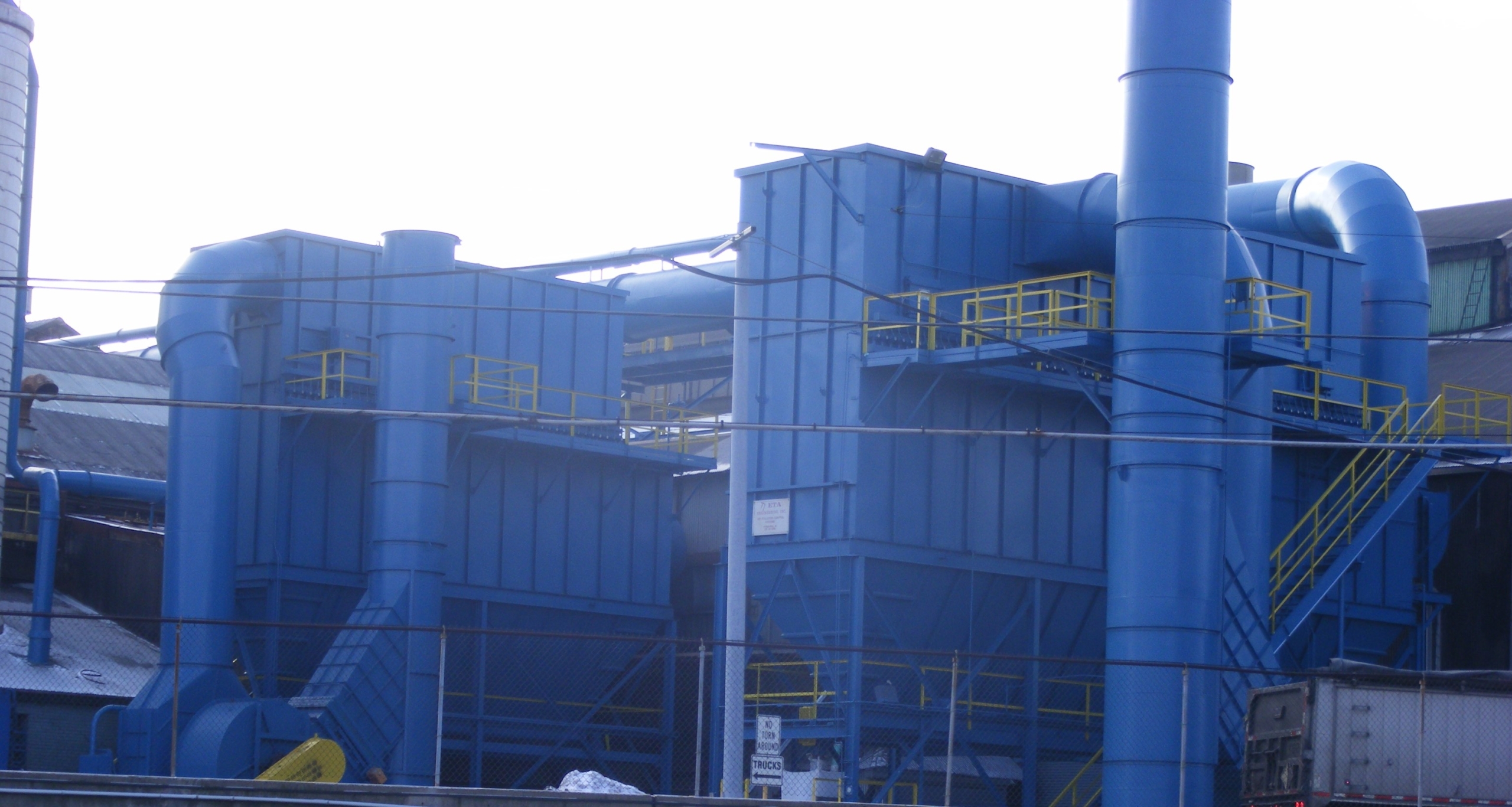
Cyclonic Dust Collection Can Reduce Fabric Filter Baghouse Maintenance Costs and Downtime
At one time mechanical dust collectors were the industry standard in dust collection and air pollution control. However, with an ever increasing focus on air quality, EPA regulations regarding dust collection have steered the manufacturing world toward the higher efficiency capabilities of fabric filter baghouses, cartridge filters, and other dust collection equipment utilizing filter media. This change has undoubtedly helped to reduce the amount of harmful emissions released into the atmosphere in manufacturing processes. Unfortunately, the use of these fabric filter baghouse collectors is not without cost. The limitations of filter media such as moisture, heat, and high particulate volumes have added to the challenges of successful dust collection. Additionally, the high cost of bag or cartridge replacement, maintenance issues, and expensive pulse-jet controls to clean filter media can add up. The solution to these headaches for many has been the use of mechanical dust collectors before final-stage filtration.
Five Causes That Lead to “Leakage” in Baghouse Filters
Baghouse filters are great for dust collection; however, if they develop a hole, then there is a clear path for the dust to take through the filter. Over time, the hole will increase in size, allowing more and more dust through. Filters with holes decrease the removal efficiency of the dust collection system and could violate your air permit.
What Causes Pressure Drop in Baghouses and Cartridge Collectors?
Baghouses and cartridge collectors are usually designed to handle a maximum of 6” Water Column (W.C.) of pressure drop. This means that when the baghouse pressure drop is 6” W.C., the airflow through the system is enough for proper operation. When the pressure drop across the bags is greater than 6” W.C., the airflow through the system is less than it should be. The baghouse uses a control system to keep the pressure drop through the system less than 6” W.C. Most baghouses use compressed air to clean the bags, but shaking and sonic cleaners are also used.
High Differential Pressure: 6 Warning Signs your Baghouse or Cartridge Collector Might Fail
Baghouses and cartridge collectors are usually designed to handle a maximum of 6” W.C. of pressure drop. When the baghouse pressure drop is 6” W.C., the airflow through the system is enough for proper operation. When the pressure drop across the bags is greater than 6” W.C., the airflow through the system is less than it should be. The baghouse uses a control system to keep the pressure drop through the system to less than 6” W.C. Most baghouses use compressed air to clean the bags, but shaking and sonic cleaners are also used.
Dust Collection Systems: Product Recovery and Cyclone Pre-filters
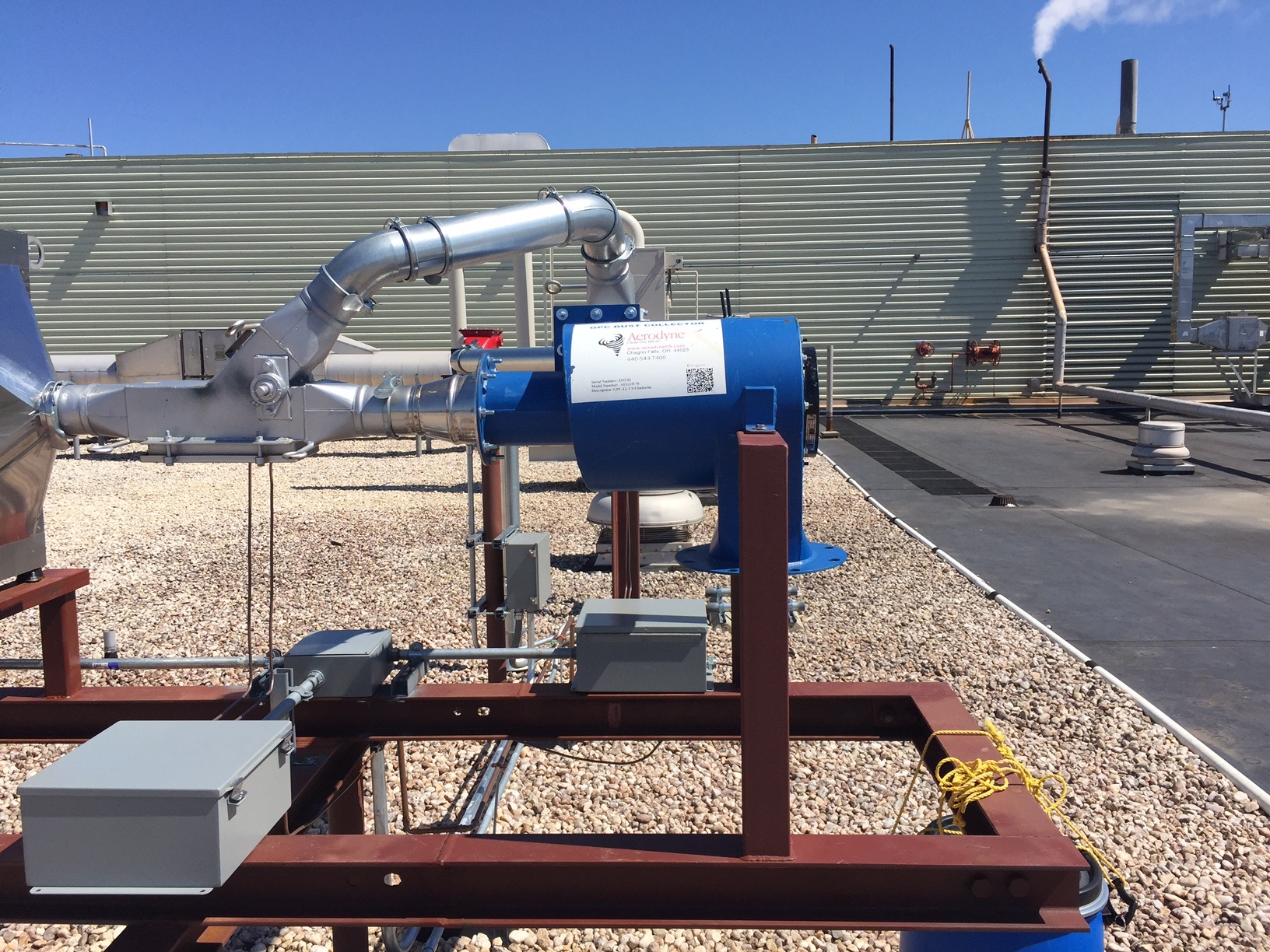 If you are working with a high value material or product, then you should investigate using a cyclone ahead of your baghouse or cartridge collector. The cyclone will allow you to recover the dust without contamination from the filters. The filters in a baghouse or cartridge collector use a dust layer built up on the filters to collect the dust from the airstream. During the process of filter cleaning, dust from this layer is dislodged and falls into the hopper. Any particulate from prior batches can cause contamination of the dust.
4 Potential Dangers to Collectors! How Cyclone Pre-Filters Can Help!
With government regulations tightening on solid emissions, baghouses and cartridge collectors have become status quo in the past 40 years. The fabric filters (bags or cartridges) remove dust below 1 micron in size. The high removal efficiency of the filters, have been considered best available removal technology. This means most processes requiring dust collectors will use a baghouse or cartridge collector. However, not all processes work well with baghouses and dust collectors.