 OSHA is issuing citations and fines to companies with unsafe combustible dust hazards, using their general duty clause and NFPA 652: Standard on the Fundamentals of Combustible Dust as a guideline. Any industrial facility that creates dusts or uses powders was mandated by NFPA 652 to complete a Dust Hazard Analysis by September, 2020 to identify the presence of combustible dusts and establish a plan for eliminating or mitigating potential risks associated with these dusts in their facilities. The DHA is essentially the framework around which NFPA 652 is built, and the starting point for getting a facility into compliance with the standard as a whole.
Posts about osha:
Why Install Dust Collectors Even If It Is Not Required | Aerodyne
The most basic reason to install dust collectors is because the EPA, OSHA or other regulatory agency requires you to. However there are other reasons to install a dust collector even if you aren’t required to.
Prevent Filter Fires with Proper System Design
Dust collection system design can be a very complicated process. Beyond determining variables such as air volumes, drop sizes, and capture velocities, there is perhaps no more important design consideration than fire prevention. This is especially true in systems that are used in hot work applications, such as sawing, grinding, or sanding, where sparks can potentially be generated. If a spark is drawn into a system’s ductwork, it has the possibility of travelling all the way to the system filters which are typically constructed of combustible materials. If this happens, the filters can catch on fire, which can lead to catastrophic destruction of the dust collection system, the entire building, or result in serious injury or loss of life.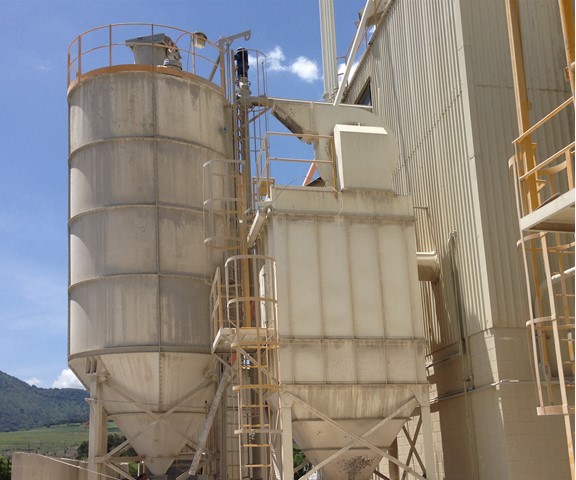
How can cyclones help you comply with OSHA Silica Rule?
How does the OSHA silica rule affect me?
Silica Legislation: What You Need To Know
OSHA attributes a good amount of illnesses and deaths to exposure to silica dust, having been proven to carcinogenic and a cause of untreatable silicosis, which creates a distinct lesion in the lungs. OSHA also hasn’t updated its laws regarding silica exposure since 1971. As such, OSHA plans to do something about it.
Steel Dust Collector Keeps Manufacturer in Compliance
A facility in Chicago that manufactures industrial hardware for building was looking for a solution to keep its process up to regulation standards. The aluminum scraps that were being produced during manufacturing were falling from the machines and on to the floor. Layers of dust and material scrap accumulation can lead to potential fire risks. With the new regulations from NFPA and OSHA, it was imperative that the company find a way to keep the excess materials from accumulating on the floor.
Dust Collectors Fight Wood Dust Hazards
Think your small basement or garage wood shop doesn’t need a real dust collector? Sure the dust is a bit of a nuisance. It covers everything in the shop and can be a pain to clean up, but how bad can it really be? Well, how does asthma, emphysema, skin rashes, and a rare form of nasal cancer sound for starters? These are just a few of many health risks associated with exposure to common saw dust.
U.S. Government Features Aerodyne Dust Collector for Flakeboard Production
The field of industrial ventilation and dust collection has come a long way in the past 25 years. Stringent governmental regulations regarding dust emissions coupled...