We recently posted an article on our LinkedIn commenting on the dangers of combustible dust, and we want to keep the conversation going about dust hazard analysis (DHA).
Posts about Airflow in Dust Collection System:
Tired of Constant Rotary Valve Maintenance? A Simpler Alternative for Dust Collection Systems | Aerodyne
In many industrial facilities, rotary valves are a critical part of the dust collection system. They help move collected dust and material from hoppers while maintaining proper airlock conditions within the system. Unfortunately, traditional rotary valves can also become a source of frustration.
How to Properly Size a Cyclone Dust Collector for Maximum Performance | Aerodyne
Selecting the right cyclone dust collector is critical for maintaining airflow efficiency, controlling dust, and protecting equipment performance. However, sizing a cyclone is not simply choosing a standard model based on airflow alone.
Airflow Through a Dust Collection System | Aerodyne
When you are dealing with dust collection system, the most important component is having the correct airflow going through your system so that the dust collection is properly done. While this initially appears to be simple it is the most complex part of a dust collection system. To put it simply, every component from the pickup hoods to the exhaust stack affect the airflow going through the system. And any changes, whether deliberate (ex. changing filters) or accidental (filters plugging) the airflow in the system will be affected. The following explains the different components in the dust collection system and how they affect the airflow.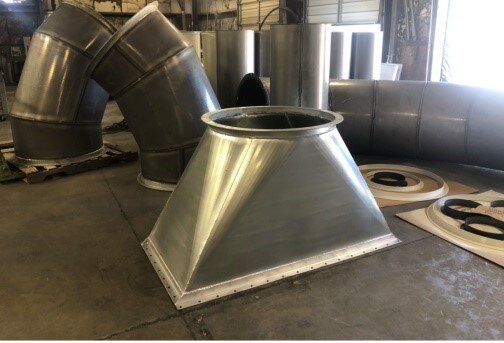
5 Ways to Go Green in Dust Collection | Aerodyne
Use pulse-on-demand controller for baghouse and cartridge collectors
Pulse-on-demand controllers allow you to clean your filter less often. Less pulses helps you save compressed air and reduces wear and tear on the filters. Cutting down on compressed air means less electricity is required in the compressors and less wear and tear on the filter means they last longer.
Questions to Ask When Evaluating Dust Collection System | Aerodyne
We all know that if we don’t regularly maintain our cars, we will end up having issues in the future. If we forget to change the oil, change the brakes or get a tune up, it will eventually catch up to us. Why do we think our dust collection system is any different? Dust collectors are made of various pieces, all of which have to be operating correctly for the system to operate as desired. Usually, a dust collection system consists of the dust collector, exhaust fan, ductwork, and hoods/pickup points. Additional accessories such as airlocks, controls, instrumentation, and dampers all can affect the operation of the system.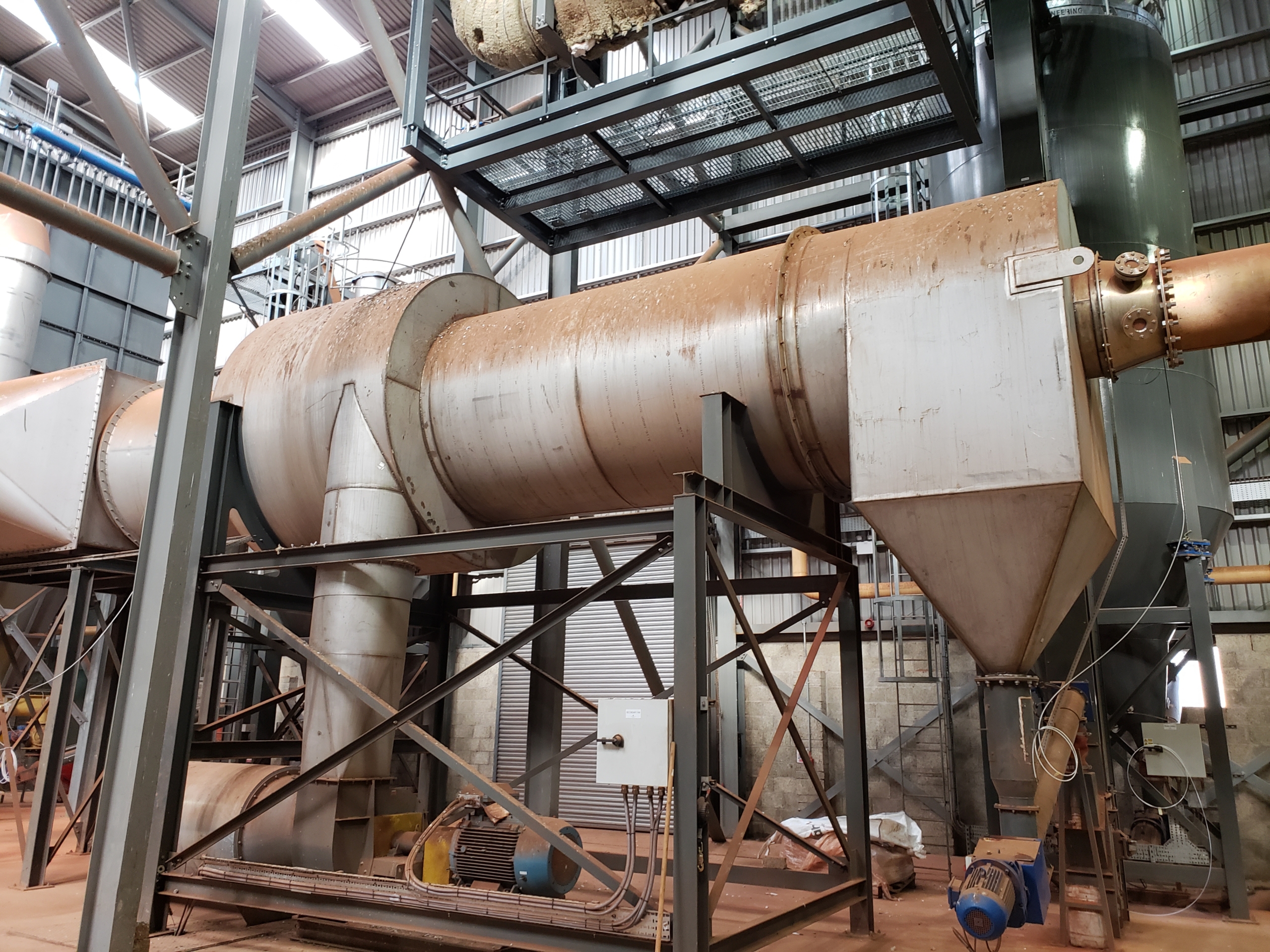
Chemical and Fume Removal is Wet Scrubbing’s Cup of Tea | Aerodyne
The main reason to use wet scrubbing for particulate removal is that you need wet scrubbing for chemical or fume removal. Wet scrubbers such as a packed tower are great for removing chemicals (contaminant) in the air, such as acids, bases, etc.
Dust Collector Hoppers Are Not For Material Storage | Aerodyne
One common mistake operators make in dust collectors is to use the dust collector hopper to store material. The hopper in a dust collector isn’t designed for this. Instead it is a temporary home for the dust collected while the material is being removed. This period should be as short as possible for the following reasons:
Airflow in Dust Collection Systems | Aerodyne
The airflow in dust collection systems is crucial to the proper operation of the system. The dust collection system consists of the hood/pickup points, ductwork, dust collector(s) and exhaust fan. The hood/pickup points are designed to capture the dust. This design requires a range of airflows to properly work. If too little airflow is going through the hood, dust will escape from the hood. If too much air is going through the hood, the system can capture material it isn’t supposed to (example picking up product from the conveyor belt, not just dust lingering over the belt in the air).
The Importance of a Proper Hood | Aerodyne
A dust collection system consists of four major components. The pickup hood, ductwork, dust collector, and exhaust fan. For the system to operate efficiently all four components much be sized and used correctly. Unfortunately, one of the main components (the hood) is often overlooked. The hood design is crucial for the operation of the dust collector system. And without the proper hood design, your dust collector will not provide the dust pickup required for the safety of the equipment and workers.