When you are designing your ductwork, there are two ways you can do it. 1) You can use dampers to control the airflow at each pickup and balance the system or 2) You can balance by design which means the ductwork is designed so that the proper airflow goes through each pickup without the need to install dampers. There are positives and negatives with both. The following will go over them.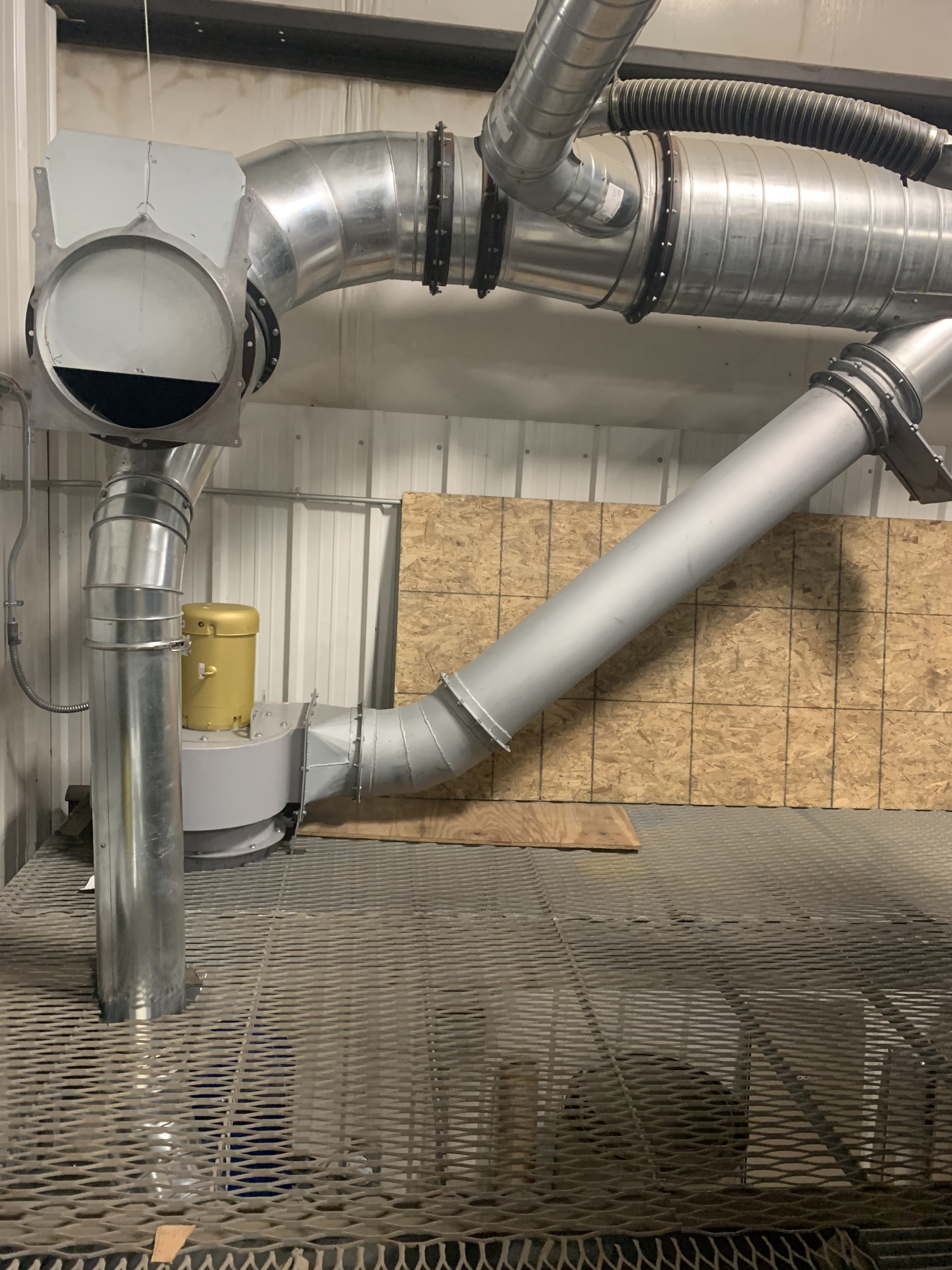
Is Your Hygroscopic Dust Causing Issues in Your Dust Collectors?| Aerodyne
Hygroscopic dust can really grow on your nerves! I know the marketing department might take away my writing duties after that line. But seriously, hygroscopic dust can cause major maintenance issues in your dust collectors. Hygroscopic dust captures water vapor and droplets. This causes the particles to grow in size and weight, thereby making them easier to capture and remove from the airstream. However, if you are using filters, that’s where the problems start.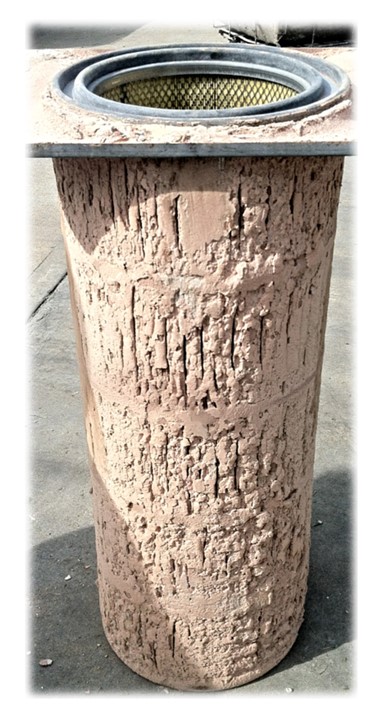
Should I Test My Dust for Explosibility? | Aerodyne
This is one of the most important questions you can ask. The answer to this question can require you to invest in expensive protection equipment or not, but that is much better than the loss of thousands of dollars in equipment, production time, and most importantly, employee safety. There are a few ways to answer this question. Some of which are safer than others. The main question you will need to ask yourself, is the dust combustible?
Dust Collector Frequently Asked Questions: Part 2 | Aerodyne

5 Key Questions to Ask Before Choosing a Cyclone Dust Collector
Designing a dust collection system can be quite a daunting task. With so many collector options and so many application variables to consider, it is difficult to know where to begin. Cyclones are among the oldest and still most reliable methods of dust collection available. Because they require very little maintenance, have low up-front cost, and offer unmatched versatility, cyclone collectors remain a viable solution to many air-handling challenges. Although heightened environmental regulations and collection efficiency needs have shifted industry toward the use of filter-media collectors, cyclonic dust collection still plays a vital role in many air-handling systems. These five questions will help determine if a cyclone dust collector is right for your application.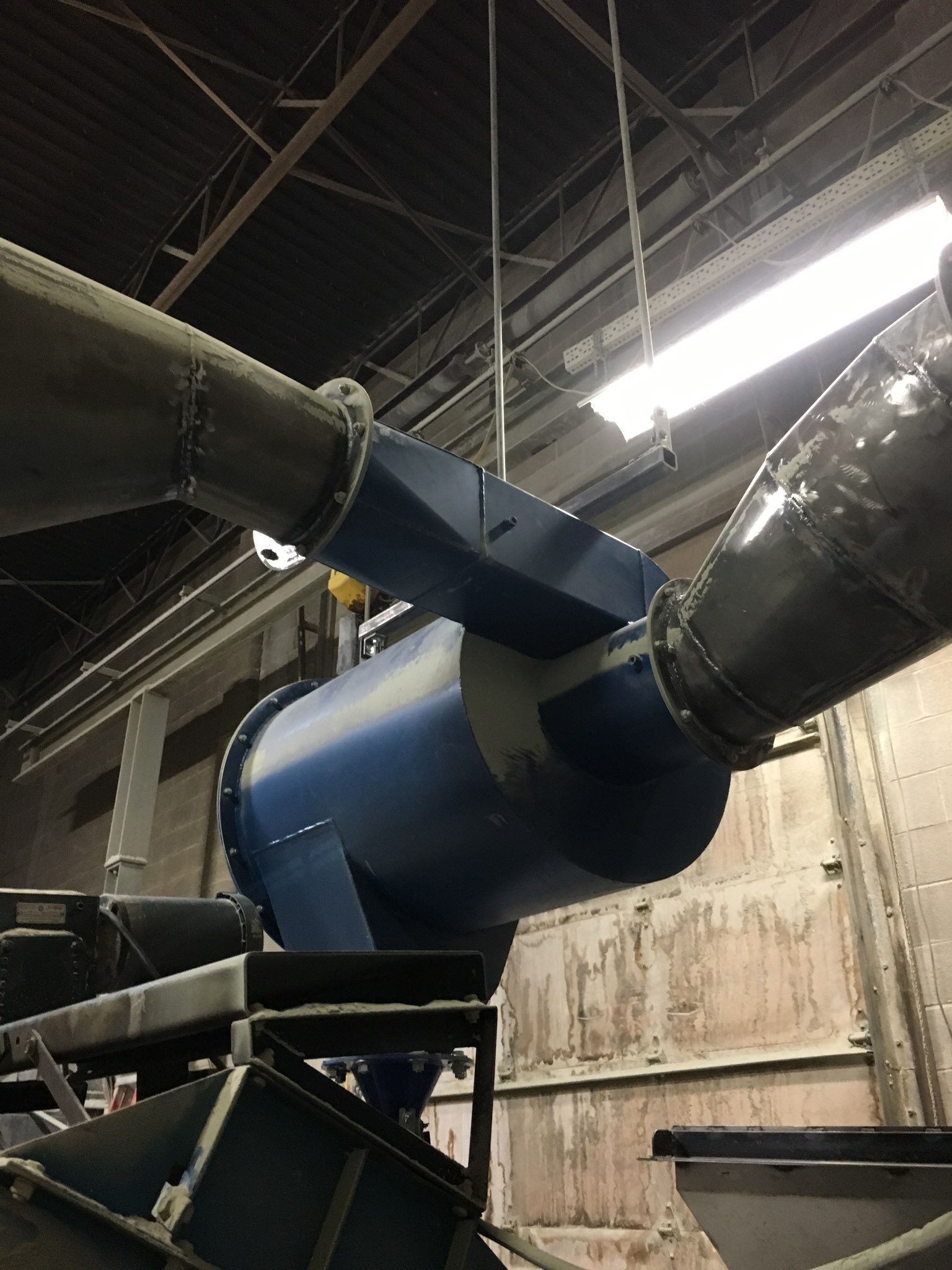
Pneumatic vs Motorized Double Dump Valves | Aerodyne
Double dump valves are available in both motorized and pneumatic actuation. To figure out which would be better for you we need to consider your application. A double dump valve is really two (2) valves with flapper plates in series controlled by the same mechanism. At least one of the flapper plates is closed at all time. The main things we need to know are the pressure, temperature, and flow rates along with the area classification the double dump valve will go in.
How Do I Extend the Life of My Filters? | Aerodyne
Dust collection filters such as the bags in baghouses, cartridges in cartridge collectors, and HEPA filters all filter out dust particles by collecting them in between their fibers. Dust builds up on the bags and cartridges to form a filter cake over the filter further restricting the ability of dust particles and airflow to pass through the filter. This restricting of airflow causes a pressure drop (resistance) which is directly related to the amount of dust built up on the filters. As the pressure drop increases, the airflow through the collector will decrease. Most baghouses and cartridge collectors have cleaning cycles which remove some of the dust from the filters keeping the pressure drop low.
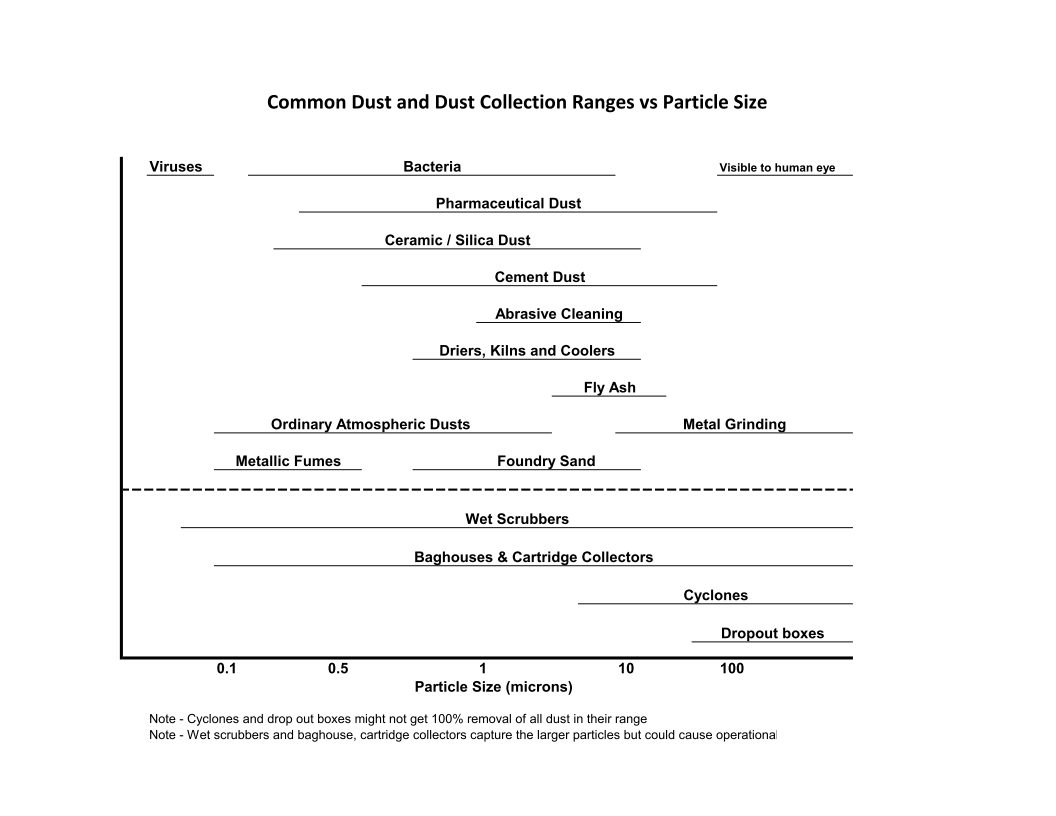
Common Dusts and Dust Collector Ranges vs Particle Size | Aerodyne
Why Are Airlocks Needed? | Aerodyne
All dry dust collectors have a hopper which temporarily collects the dust while it is moved out of the system. The hopper usually has a flanged outlet on bottom which allows the dust to fall outside of the dust collector vessel. When you are deciding what to put under the hopper it is important to make sure that air doesn’t flow out of or into the opening while still allowing the dust to empty from the hopper. An airlock (discharge valve) is used to prevent this.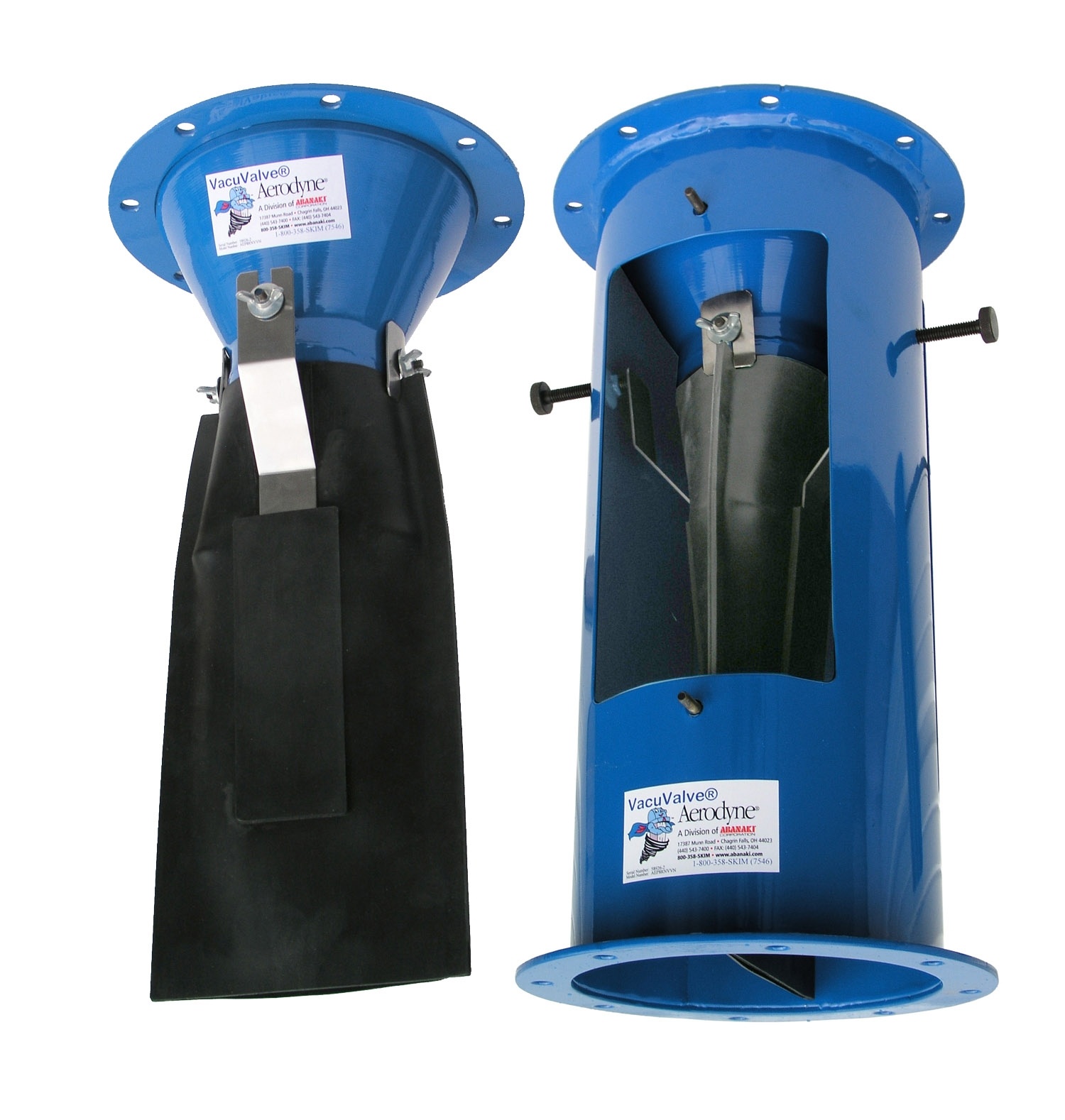
How to Clean Various Dust Collectors | Aerodyne
When you have a dust collector capturing valuable material, you often have to regularly clean the dust collector to remove the material and if it is perishable, remove it before it contaminates the other material. Some dust collectors are easier to clean than others.