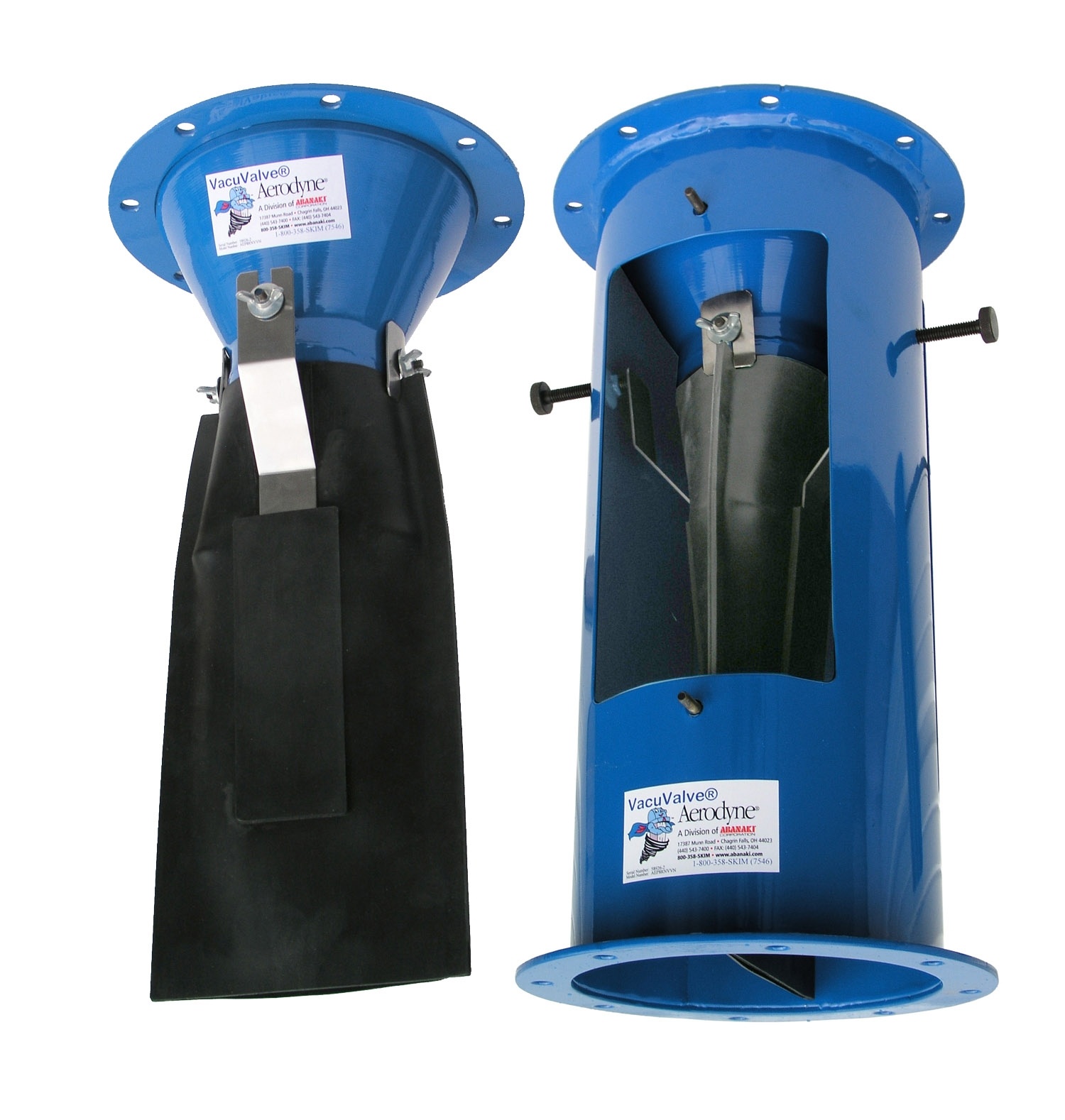
When working with dust collectors, it’s easy to focus only on the filters and the fan. But one small component can make or break the whole system’s performance: what’s installed under the hopper. Choosing the right device to manage dust discharge is critical to maintaining system efficiency, protecting your equipment, and ensuring safety. In many cases, the simplest and most effective solution is a trickle valve.
Posts about Industrial Material Handling:
Trickle Valves: The Low-Maintenance, Cost-Effective Solution for Industrial Material Handling | Aerodyne
When it comes to managing the flow of dense, free-flowing materials in industrial settings, efficiency and cost-effectiveness are crucial. Many facilities rely on traditional motorized rotary valves, but these come with significant maintenance needs and operational challenges. Enter the trickle valve—an often-overlooked, low-cost solution for dust collection that offers simplicity, durability, and efficiency.
Why Are Airlocks Needed? | Aerodyne
All dry dust collectors have a hopper which temporarily collects the dust while it is moved out of the system. The hopper usually has a flanged outlet on bottom which allows the dust to fall outside of the dust collector vessel. When you are deciding what to put under the hopper it is important to make sure that air doesn’t flow out of or into the opening while still allowing the dust to empty from the hopper. An airlock (discharge valve) is used to prevent this.