We recently posted an article on our LinkedIn commenting on the dangers of combustible dust, and we want to keep the conversation going about dust hazard analysis (DHA).
Posts about Explosive Dust:
Tired of Constant Rotary Valve Maintenance? A Simpler Alternative for Dust Collection Systems | Aerodyne
In many industrial facilities, rotary valves are a critical part of the dust collection system. They help move collected dust and material from hoppers while maintaining proper airlock conditions within the system. Unfortunately, traditional rotary valves can also become a source of frustration.
How to Properly Size a Cyclone Dust Collector for Maximum Performance | Aerodyne
Selecting the right cyclone dust collector is critical for maintaining airflow efficiency, controlling dust, and protecting equipment performance. However, sizing a cyclone is not simply choosing a standard model based on airflow alone.
Wet Scrubbers Can Help Prevent Some Fires and Explosions | Aerodyne
Wet scrubbers are used in dust collection for a variety of reasons. One of the reasons is to help prevent fires and explosions.
How does particle size distribution affect my process explosibility?
One of the issues when figuring out if your dust is explosive is the particle size of the dust and the location where you are assessing the dust. Material that consists of very large particles sizes (larger than 500 micron) tend not to be explosive. While larger particles can catch fire, they tend to prevent explosions. However, this might not be as straight forward as you think.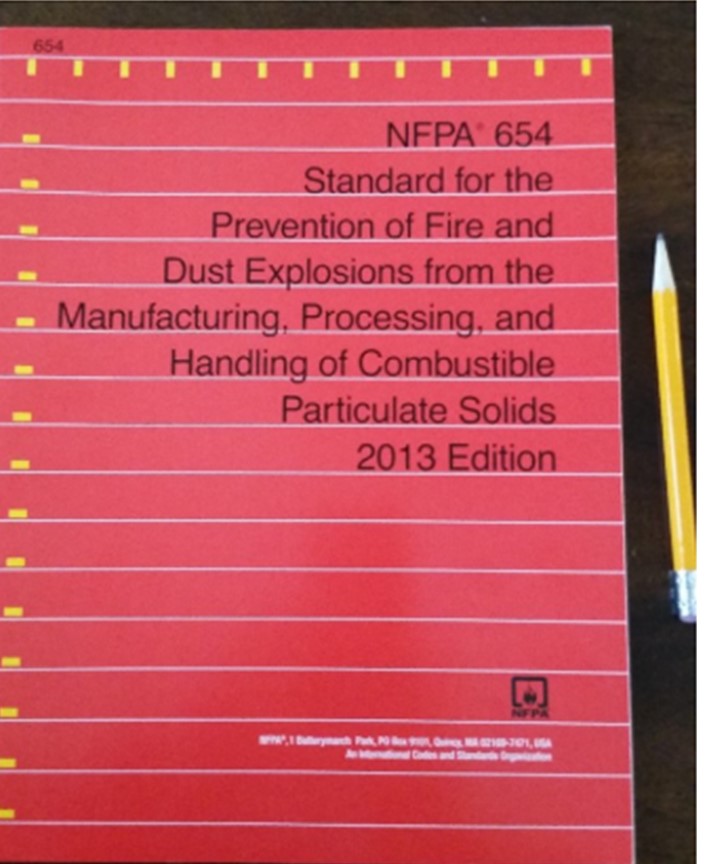
Should I Test My Dust for Explosibility? | Aerodyne
This is one of the most important questions you can ask. The answer to this question can require you to invest in expensive protection equipment or not, but that is much better than the loss of thousands of dollars in equipment, production time, and most importantly, employee safety. There are a few ways to answer this question. Some of which are safer than others. The main question you will need to ask yourself, is the dust combustible?
Is Your Dust Explosive? | Aerodyne
 To help answer this question, NFPA has released NFPA-652 and 654. A combustible dust is defined as a finely divided combustible particulate solid that presents a flash fire or explosion hazard when suspended in air or the process-specific oxidizing medium over a range of concentrations. Basically, what this means is when the dust is in the air and its concentration is enough to cause a flash fire or propagate a deflagration or explosion if exposed to a spark or heat source, then it’s considered combustible.
Dust Collector Placement Part 1: Explosive Dust | Aerodyne
When it is time to add a dust collector to your application, you have to find a place for the dust collector. This isn’t always easy. New facilities are usually designed around the equipment that is being installed. However when a system in an existing facility is modified or installed, you will have limited space to install the dust collector system. There are four factors that you should take into account when finding a place for your dust collector. (Part 1 of 4)