When handling large, abrasive materials like sand, coffee, foundry dust, limestone dust, and other minerals, selecting the right dry solids material handling valve is essential. The wrong valve choice can result in excessive maintenance, system inefficiencies, and costly downtime. A double-dump valve is an ideal solution for facilities dealing with these tough materials, offering long-term durability and minimal wear compared to other valve types. If your operation involves high-abrasion materials, making an informed valve selection can save both time and money, while enhancing system performance.
Posts about Double Dump Valves:
Optimizing Dust Collection Efficiency: Exploring Airlock Alternatives | Aerodyne
Selecting the appropriate airlock for your dust collection system is crucial for ensuring optimal performance and efficiency. While the rotary valve is a common choice, exploring alternative airlock options can lead to better results tailored to your specific application needs. In this article, we’ll delve deeper into the various airlock alternatives available, highlighting their features, benefits, and suitability for different scenarios.
Why Does My Airlock Jam and What Can I Do About It? | Aerodyne
Rotary valves will occasionally jam. This can happen when material gets between the rotor and the housing or when oversized material cannot fit into the rotary valve pockets. Depending on the type of jamming that is happening you handle the situation differently.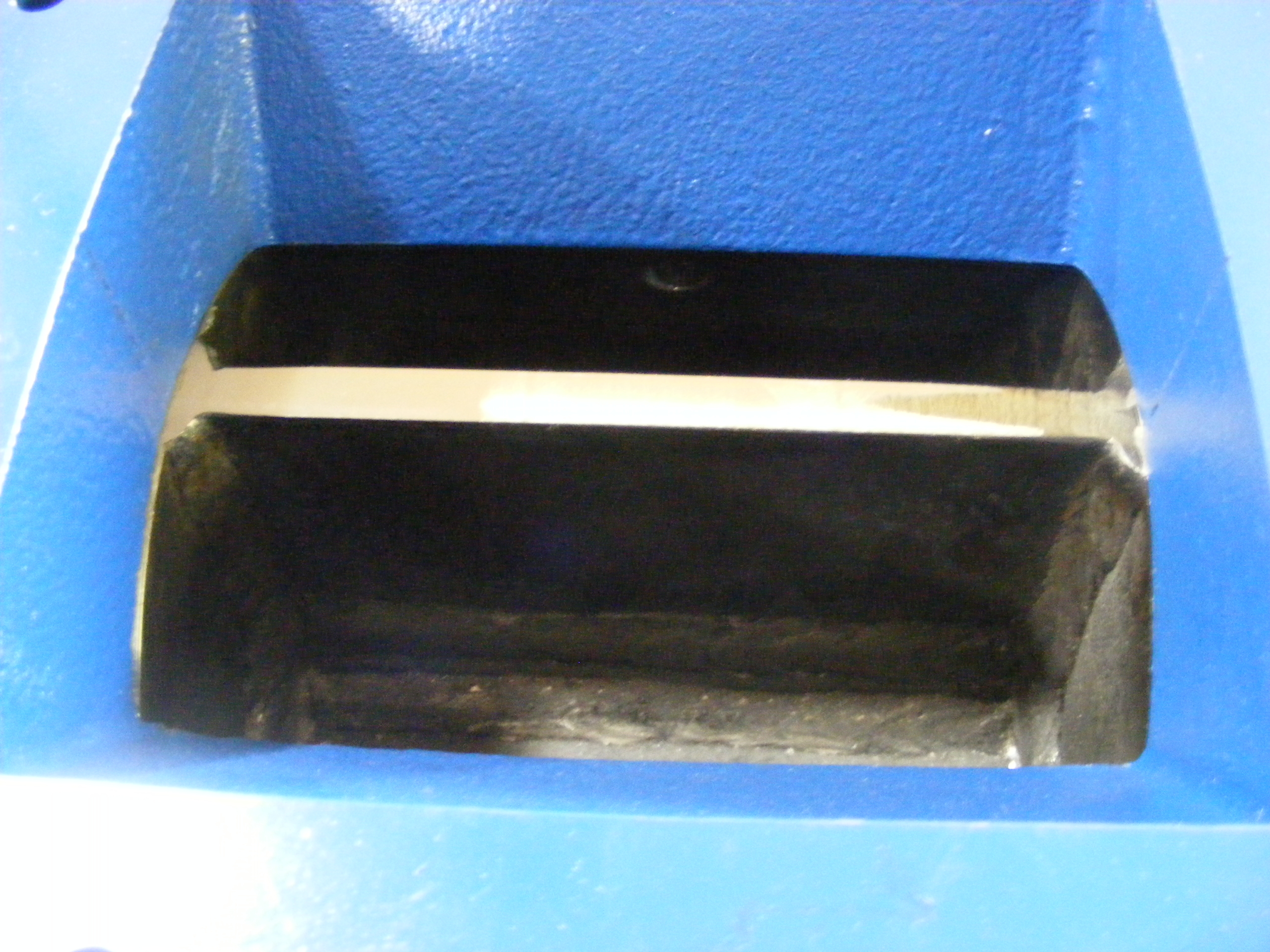
Pneumatic vs Motorized Double Dump Valves | Aerodyne
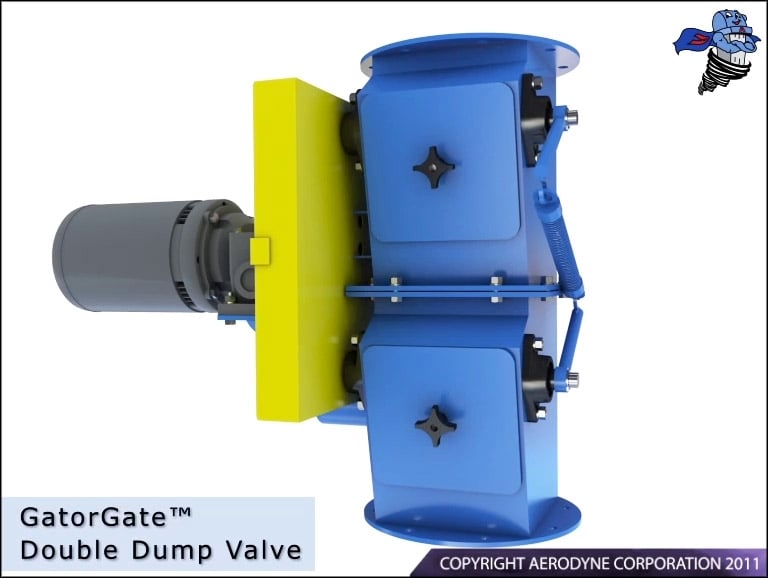
Double dump valves are available in both motorized and pneumatic actuation. To figure out which would be better for you we need to consider your application. A double dump valve is really two (2) valves with flapper plates in series controlled by the same mechanism. At least one of the flapper plates is closed at all time. The main things we need to know are the pressure, temperature, and flow rates along with the area classification the double dump valve will go in.
Five Major Air Leakage Issues That Cause Problems to Your Dust Collection System
When selecting the airlock for your dust collector, it is important to think about air leakage. A little air leakage through the airlock isn’t a usually a big deal with many baghouse applications, but air leakage can cause major issues with some applications. So it is important that you identify if your system will have issues with air leakage and then select the proper airlock valve.
Reduce Air Leakage with the Aerodyne Double Dump Valve
When your dust collectors are having issues, one of the first places to look is the airlock valve. Often times, dust is hygroscopic and when outside air leaks into the system, humidity follows. This can cause the dust to absorb the humidity and become sticky or harden like cement. This can lead to plugged filters, hoppers and damage to rotary valves. While rotary valves are the industry standard airlock, they constantly allow air leakage. A low leakage valve is required. Double dump valves however are very low leakage, since there is no direct connection to the outside atmosphere. The valve always isolates the conditions above it from the conditions below it. This minimizes air leakage, thereby minimizing humidity from affecting the dust.
Dust Collection Systems: 5 Best Solutions of Dust Collection Airlocks
When you are specifying your dust collector, don’t just settle on a rotary valve. There are other airlocks that might be better suited for your application. Other airlocks include the double dump (flap) valve, trickle valve, and knife gate. Not to mention just bypassing an airlock totally and connecting a hopper directly to the bottom of the dust collector.
Buying the Right Material Handling Valve for Your Dust
Material handling valves come in all shapes, sizes, varieties, and there are hundreds of available options for each style. From rotary valves and knife gate valves to double dump valves and trickle valves the choices are nearly endless. With such a vast selection available, choosing the right material handling valve for a given application can be a difficult task and choosing the wrong valve can be costly. While there may be more than one possible solution to a material handling need, there is often a best solution to be found if the proper considerations are given. Here are the top 5 questions any plant manager or plant engineer should ask when choosing a material handling valve.
Plastic Processing Plant Halted by Clogged Rotary Valves
This informational guide includes photos and text about all Aerodyne product lines. You can click on each to see complete product details.
Click here and receive your copy immediately.