Dust collectors can be used for a variety of reasons. Some dust collectors are placed around applications that create dust such as saws, grinders, lathes, etc. The dust collector system is used to pull air from the area producing the dust via a hood and through some ductwork until it gets to the dust collector. The dust collector then separates the dust from the air.
Dust Collector Frequently Asked Questions: Part 1 | Aerodyne

Compact Cyclone Perks Up Coffee Roasters | Aerodyne
A prominent coffee bean roaster is planning on building a new roasting facility in New Jersey. The head engineer contacted Aerodyne about trying to find equipment that could separate the coffee beans as they are pneumatically conveyed from one portion of the facility to the other. The engineer specified that the problem the facility was facing was space.
Particle Size Helps in Selecting Dust Collector | Aerodyne
In dust collection one of the most important dust characteristics to define is the particle size of the dust. The larger the dust the easier it is to capture. While the smaller the dust particle the harder it is to capture and remove from the airflow. This applies to both heavy and light particles. What this means is that in order to accurately predict your removal efficiency, you need to know the particle size distribution.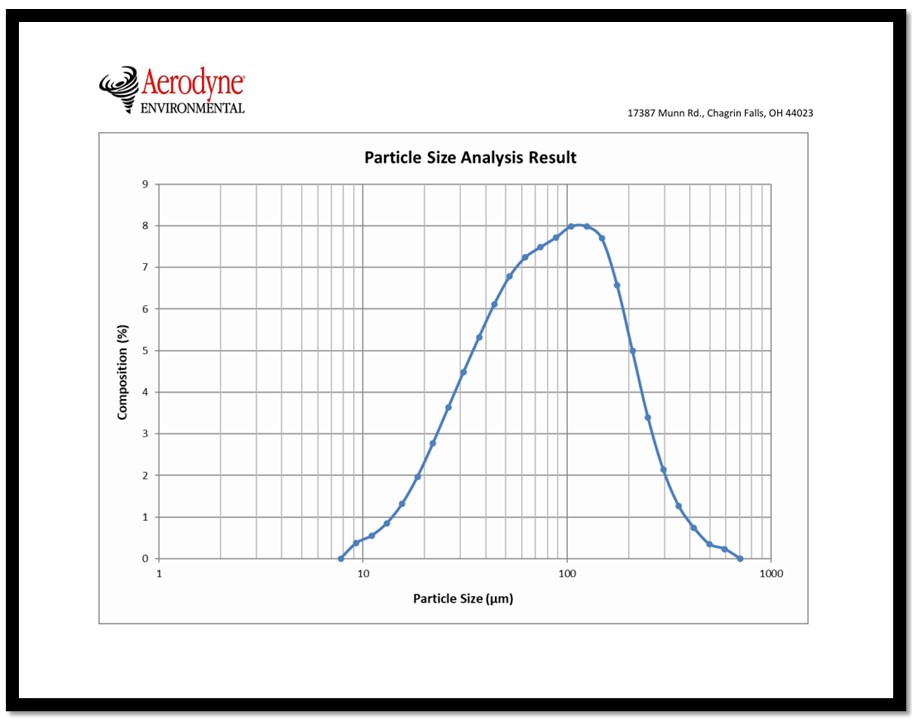
Air Velocities and Your Ductwork Design | Aerodyne
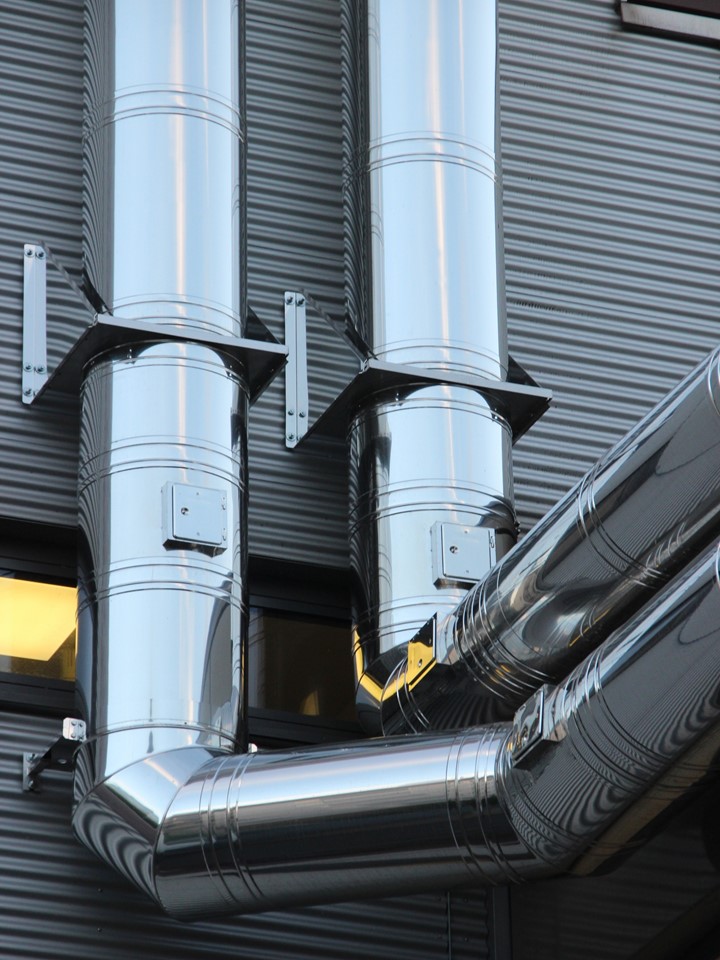 When designing a dust collection system, the ductwork is like the highways of the system. They allow the dust to move from the area of production to the dust collector. The dust should move fast enough so it doesn’t fall out while not moving too fast to cause undue wear and pressure drop. What this means is when you are designing your dust collector ductwork, pay attention to the ductwork diameters. When picking the ductwork diameters throughout the system, make sure the velocities correlate with the design velocities shown below.
Installing Explosion Vents Indoor vs Outdoor | Aerodyne
When protecting vessels from explosions, one of the most common ways is to install explosion vents. The explosion vent is an engineered weak spot in the vessel that fails when the internal pressure reaches a certain point. This failure allows the pressure to be released in a controlled way so that the entire vessel doesn’t explode. The explosion vent needs to be installed so that the venting is away from any equipment, walkways, roads, picnic areas, etc.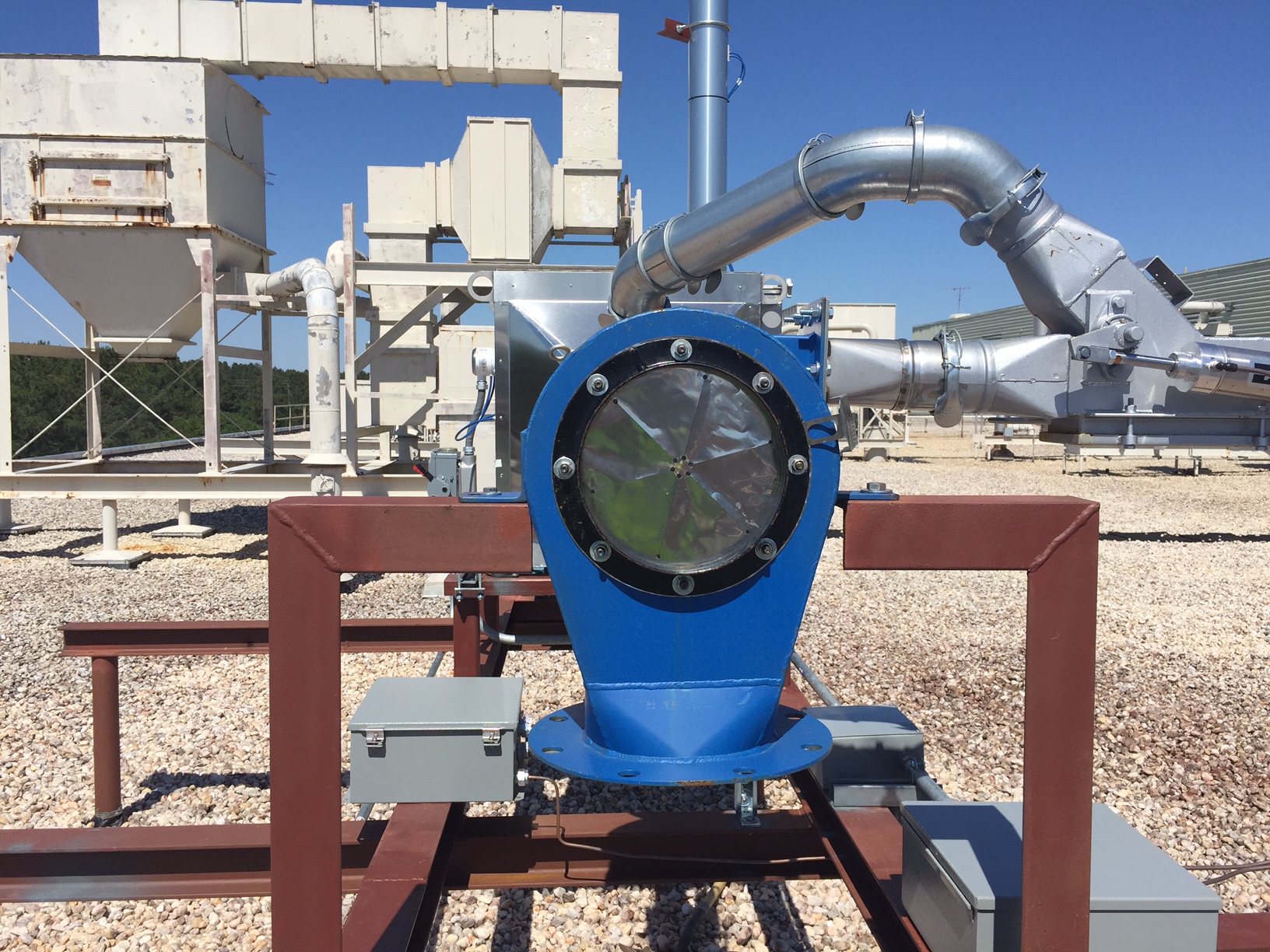
How History and Dust Collection Mirror Each Other | Aerodyne
The saying goes that “Those who forget history are doomed to repeat it” and this is true of dust collection too.
What Advantages Do Cyclones Provide Dust Collector Systems? | Aerodyne
Cyclone pre-filters offer multiple advantages to existing dust collection systems. They lower the dust loading going into the dust collector, thereby allowing them to concentrate on the smallest particles. Here we will discuss the benefits for both wet collectors and dry collectors.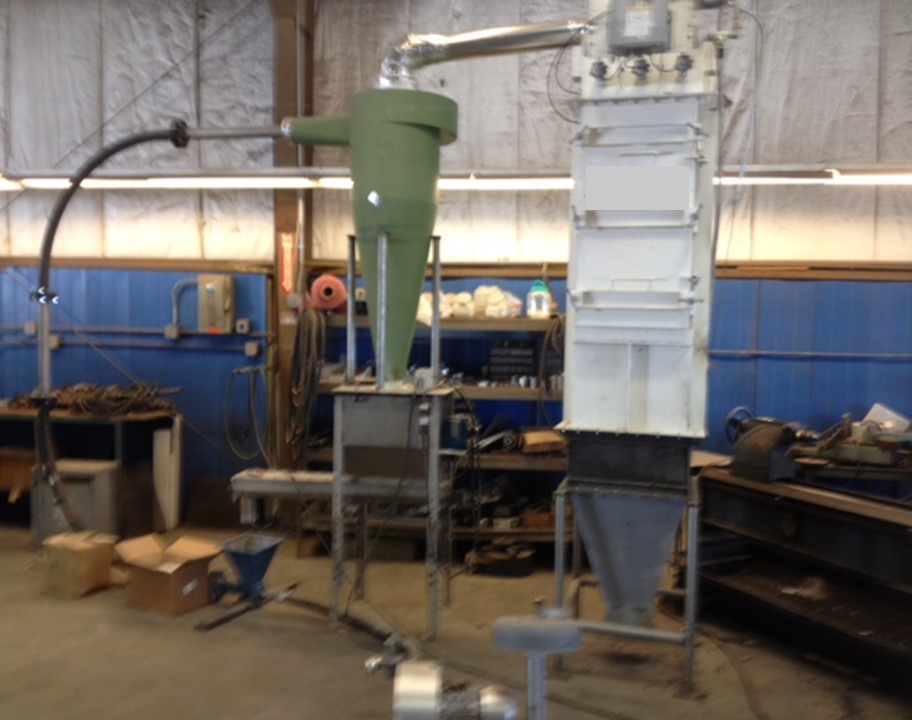
Do Cyclones Replace Dust Collectors (Baghouses, Wet Scrubbers)?
In most applications, cyclones do NOT replace baghouses, cartridge collectors, wet scrubbers, electrostatic precipitators, etc. Modern air pollution regulations require dust collectors to provide greater removal efficiencies in the PM2 and PM10 than most cyclones can provide.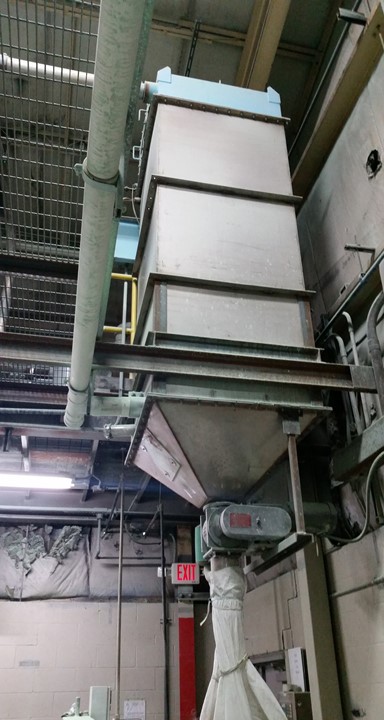
Why Is Particle Size Distribution Important? | Aerodyne
There are multiple ways to collect dust from the air. The most common are: