Dust collection systems require the proper airflow to operate correctly. Without the correct air flow, dust will not be removed from collection points and the collection equipment (baghouse, cartridge collectors, cyclones, etc.) will not operate with maximum efficiency. However, if too much air is being pulled through the system, a variety of issues might ensue, such as product being lost, removal efficiency lowered, utility usage increased.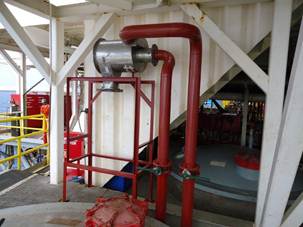
Posts by dust-admin:
Dust Re-Entrainment | Aerodyne
The key function of a collector is to remove the maximum volume of dust from the airstream. Additionally, an important part of the process is keeping the removed dust from re-entraining.
Clean on Demand Controller | Aerodyne
Simple Timers
For many years, pulse-jet baghouses were cleaned by simple timers. The timers would start the cleaning cycle every so many minutes. You would be able to change how often your filters are cleaned by changing the time between each cleaning. This design makes sure that the filters are cleaned regularly, whether they need to be cleaned or not. The main issue with this is that every time a filter is cleaned, it increases the chances of it failing. Filters are cleaned by pulsing high pressure air into the filter. This expands the filter, which causes the top layers of dust to fall off. But that expansion can also cause holes or rips in the filters.
Aerodyne Vacu-Valve ® vs. Traditional Rotary Valve | Aerodyne
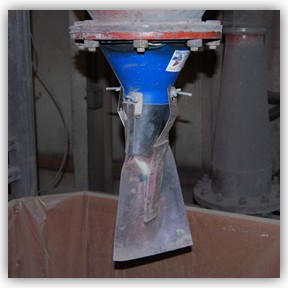 Do the rotary valves under your dust collectors cause maintenance headaches? Are they clogging? Are you having to drop everything and assign extra labor to fix them?
Horizontal Cyclones: Solutions for Space Limitation | Aerodyne
If you are like many plant engineers who are working within the confines of a limited work space, rest assured that you don’t need to compromise on the efficiency of your industrial dust collection system. A traditional, high-efficiency cyclone is not the best solution for facilities with low ceilings.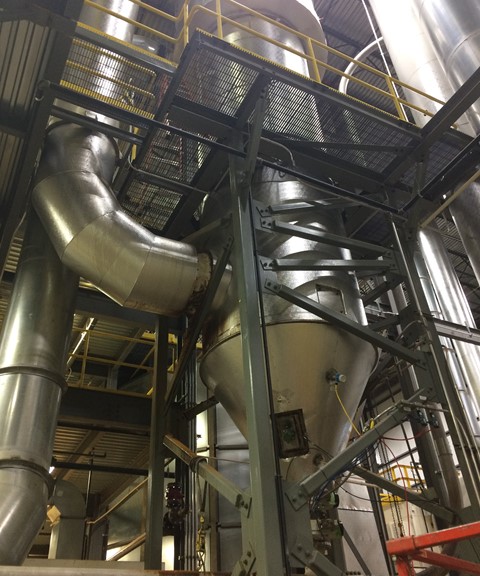
Aerodyne Vacu-Valve ® vs. Traditional Rotary Valve | Aerodyne
Do the rotary valves under your dust collectors cause maintenance headaches? Are they clogging? Are you having to drop everything and assign extra labor to fix them?
Level Switches in Dust Collector Hoppers | Aerodyne
As maintenance staffs become smaller and have less time to do preventative maintenance, technology needs to step in and help.
Heavy Dust Loading Leads to High Maintenance in Dust Collector | Aerodyne
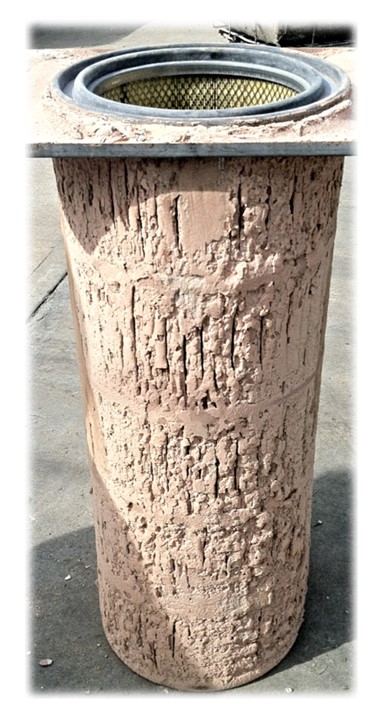 Heavy dust loading in the dust collector leads to high maintenance dust collectors. Since most dust collectors are fabric filters (baghouse, cartridge collectors, shakers, etc.), heavy dust loading will cause/require high frequency of cleaning of the filters. Most filters are cleaned by injecting high pressure air into the clean side, causing the filters to expand a bit. This causes dust to fall off the filters. Filters wear out due to the frequent expanding and contracting. So the more often you have to clean a filter, the faster the filters will wear out.
Is Your Dust Explosive? | Aerodyne
 To help answer this question, NFPA has released NFPA-652 and 654. A combustible dust is defined as a finely divided combustible particulate solid that presents a flash fire or explosion hazard when suspended in air or the process-specific oxidizing medium over a range of concentrations. Basically, what this means is when the dust is in the air and its concentration is enough to cause a flash fire or propagate a deflagration or explosion if exposed to a spark or heat source, then it’s considered combustible.
Why You Need Space Saving Pre-filter Cyclones | Aerodyne
As regulations to minimize dust emissions became more stringent, the reliance on filter media became more prevalent. This means baghouses and cartridge collectors have become the most common dust collectors around.