We recently posted an article on our LinkedIn commenting on the dangers of combustible dust, and we want to keep the conversation going about dust hazard analysis (DHA).
Posts about Compact Cyclones:
Tired of Constant Rotary Valve Maintenance? A Simpler Alternative for Dust Collection Systems | Aerodyne
In many industrial facilities, rotary valves are a critical part of the dust collection system. They help move collected dust and material from hoppers while maintaining proper airlock conditions within the system. Unfortunately, traditional rotary valves can also become a source of frustration.
How to Properly Size a Cyclone Dust Collector for Maximum Performance | Aerodyne
Selecting the right cyclone dust collector is critical for maintaining airflow efficiency, controlling dust, and protecting equipment performance. However, sizing a cyclone is not simply choosing a standard model based on airflow alone.
Why Your Dust Collector Keeps Losing Efficiency | Aerodyne
Many facilities invest heavily in baghouses and cartridge dust collectors expecting maximum filtration efficiency and long filter life.
Dust Collector Frequently Asked Questions: Part 1 | Aerodyne

How History and Dust Collection Mirror Each Other | Aerodyne
The saying goes that “Those who forget history are doomed to repeat it” and this is true of dust collection too.
What Advantages Do Cyclones Provide Dust Collector Systems? | Aerodyne
Cyclone pre-filters offer multiple advantages to existing dust collection systems. They lower the dust loading going into the dust collector, thereby allowing them to concentrate on the smallest particles. Here we will discuss the benefits for both wet collectors and dry collectors.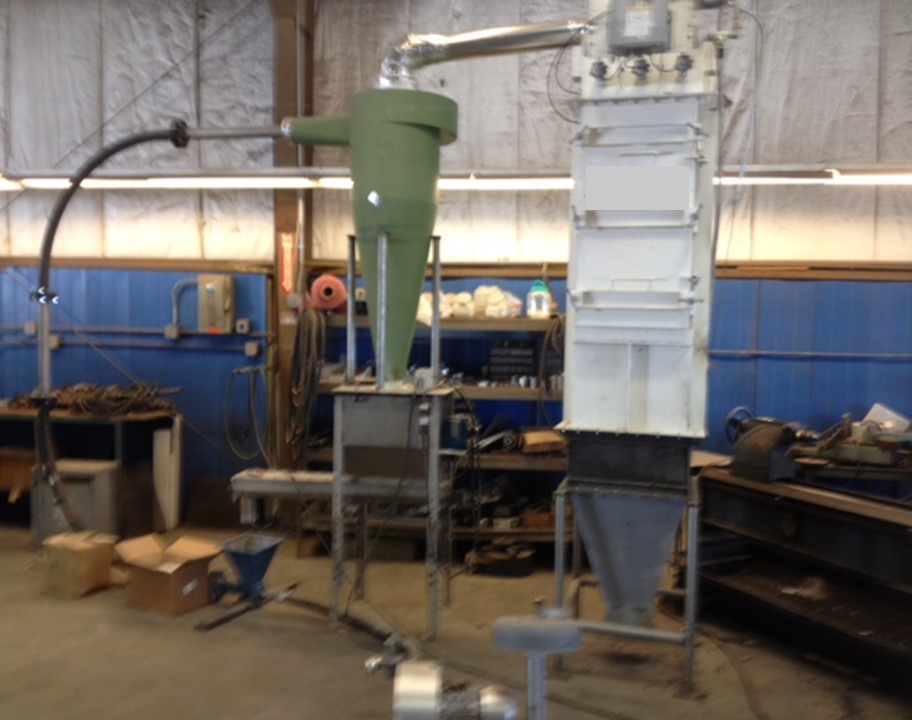
Why are Lower Cyclone Pressure Drops Not Always Better than Higher Pressure Drops? | Aerodyne
When designing a dust collection system, the static pressure required of the system is extremely important. The reason is because the exhaust fan must be able to pull the design airflow at the design static pressure in order to get the design performance. Usually the higher the static pressure is the greater power is required by the fan at a constant airflow. This means, dust collector system designers usually try to keep the total static pressure low, in order to go with a smaller fan that costs less to operate.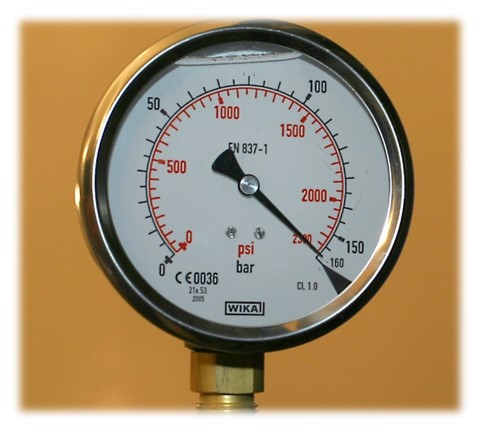
Dust Collector: Signs You Need a Pre-Filter | Aerodyne
Many dust collectors spend their time operating far below their potential. Whether the system was designed incorrectly, the process has changed, slow maintenance, or a combination of these, the dust collector isn’t operating at its finest. One possible solution is to install a pre-filter before your dust collector to help your dust collector to be all it can be!
How To Determine the Cost of a Cyclone – Part 3 | Aerodyne
When selecting the cyclone for a dust collection process, there are different factors affecting sizing and cost of the cyclone. The cyclone should be sized to compliment the airflow of the system and the required dust removal efficiency. Process conditions will dictate suitable materials of construction as well as any special design requirements.