We all know that if we don’t regularly maintain our cars, we will end up having issues in the future. If we forget to change the oil, change the brakes or get a tune up, it will eventually catch up to us. Why do we think our dust collection system is any different? Dust collectors are made of various pieces, all of which have to be operating correctly for the system to operate as desired. Usually, a dust collection system consists of the dust collector, exhaust fan, ductwork, and hoods/pickup points. Additional accessories such as airlocks, controls, instrumentation, and dampers all can affect the operation of the system.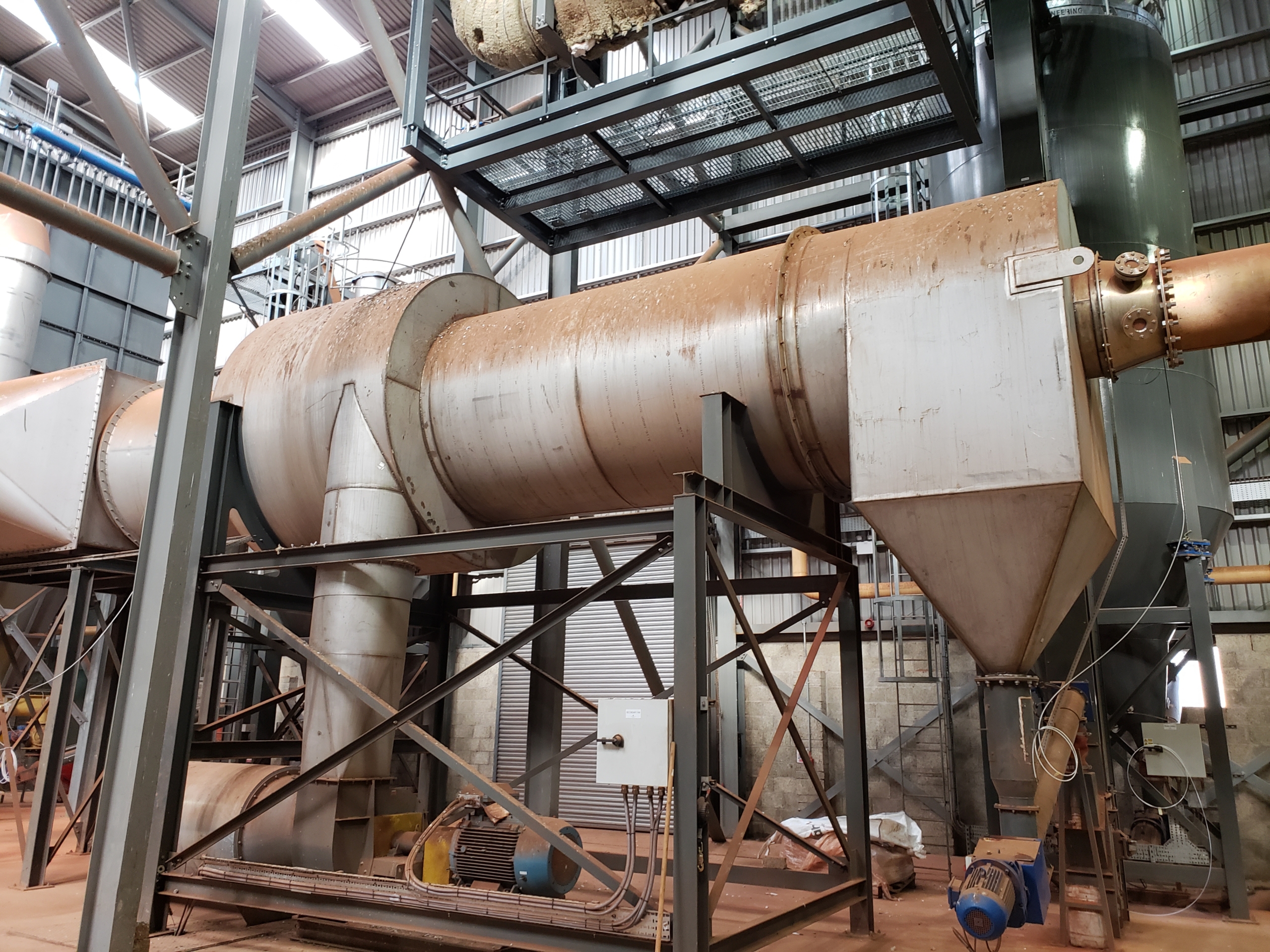
Posts about Hoppers in Dust Collection System:
Dust Collector Hoppers Are Not For Material Storage | Aerodyne
One common mistake operators make in dust collectors is to use the dust collector hopper to store material. The hopper in a dust collector isn’t designed for this. Instead it is a temporary home for the dust collected while the material is being removed. This period should be as short as possible for the following reasons:
5 Signs You Need A Checkup On Your Dust Collection System | Aerodyne
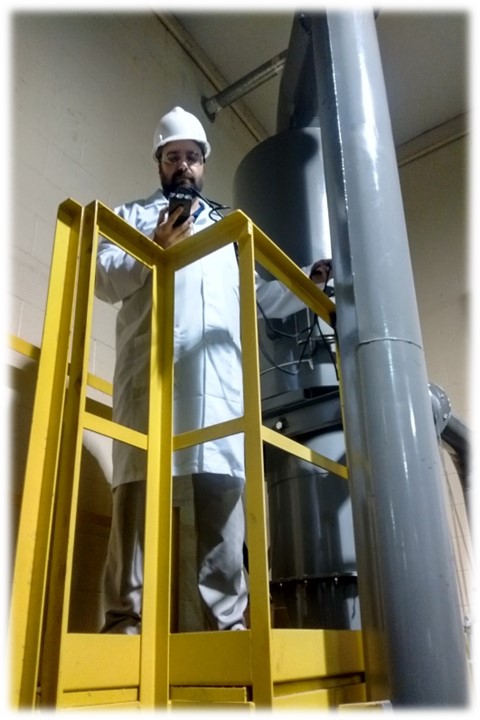 Dust collectors are required in facilities for multiple reasons. After installation, they are often forgotten about until something isn’t working right. In order to fix the problem, the system has to be almost re-engineered to figure out what the design originally was. The following things are signs your dust collector isn’t working how it was designed and you need to perform a checkup.
How To Determine the Cost of a Cyclone – Part 6 | Aerodyne
Part 6: Scope of Supply
Cyclones do not stand alone in most applications; rather, they require additional equipment to function properly. Depending on your specific application, this equipment can include an airlock, exhaust fan, explosion protection, instrumentation, insulation, vibrator, and even ductwork. Moreover, a cyclone can be purchased either as a complete system with all the necessary equipment or by itself to be integrated into an existing system. In either case, the system is then assembled by the end user or a third party. Often, the total cost of the accessory equipment exceeds that of the cyclone itself. Below is a brief description of these potential accessories and how they impact the cyclone’s performance.
Level Switches in Dust Collector Hoppers | Aerodyne
As maintenance staffs become smaller and have less time to do preventative maintenance, technology needs to step in and help.
The Hidden Dangers of Overfilled Hoppers in Dust Collection System
All dust collectors include a hopper that collects the captured dust. These hoppers are not designed for storage of the dust, however. They are there for the dust to collect until it passes out of the dust collector through an airlock, such as a rotary valve, double-dump valve, trickle valve, etc. Adequate discharge intervals are important. If enough dust builds up in the hopper, then the dust will get re-entrained into the air. This could cause a few issues.
Why Are Airlocks Needed Under Dust Collectors?
Airlocks are very important for proper dust collector operation. The airlock prevents air from entering or exiting the bottom of the dust collector. The opening at the bottom of the dust collector is meant for discharging the dust from the system. When air is entering or leaving from this area, it will cause issues.