In industrial settings, dust collection systems are vital for maintaining clean and safe work environments. Most dust collectors are equipped with a motor-driven rotary airlock valve that efficiently empties contents from the hoppers. Rotary valves have been a staple in dust collection technology for many years due to their reliability and effectiveness in managing dust discharge. They offer certain advantages, such as the ability to handle a continuous flow of dust and debris. However, these traditional systems come with several significant drawbacks.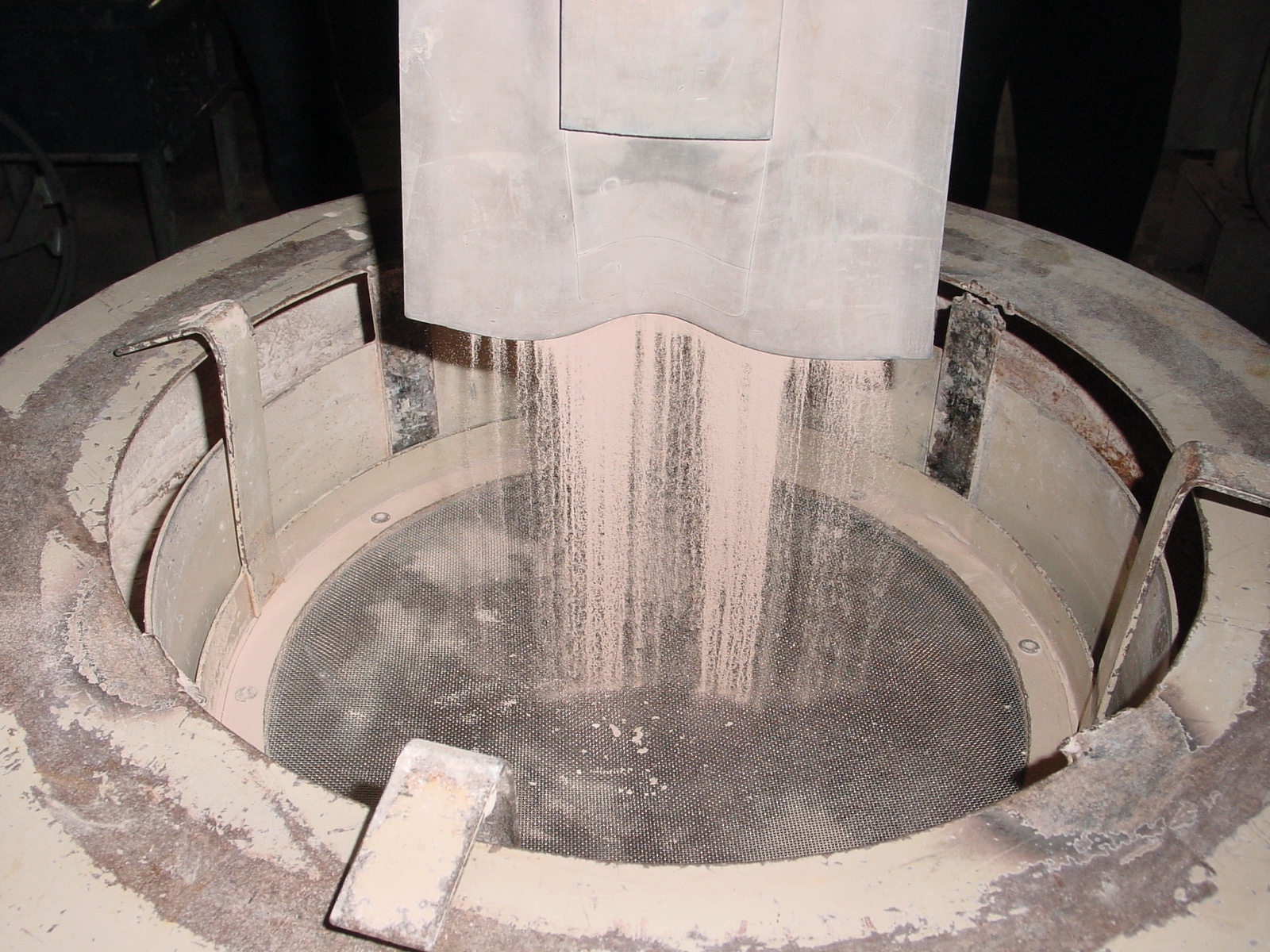
Posts about Rotary Valves:
Optimizing Dust Collection Efficiency: Exploring Airlock Alternatives | Aerodyne
Selecting the appropriate airlock for your dust collection system is crucial for ensuring optimal performance and efficiency. While the rotary valve is a common choice, exploring alternative airlock options can lead to better results tailored to your specific application needs. In this article, we’ll delve deeper into the various airlock alternatives available, highlighting their features, benefits, and suitability for different scenarios.
When to Use a Non-Powered Automatic Valve for Dust Discharge | Aerodyne
Look under almost any dust collector and you will see a rotary airlock valve spinning its rotor and emptying the collected contents from the hopper. These valves have long been used to maintain a seal in vacuum dust collection systems while simultaneously providing an escape route for the dust.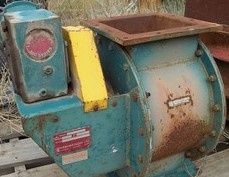
Air Leakage in Airlocks | Aerodyne
Airlocks are required in order for dust collectors to operate correctly. When a dust collector is under positive pressure, the airlock prevents air and collected material from blowing out of the dust discharge flange. A lack of airlock will cause dust to be thrown into surrounding areas and pile up on the floor and other surfaces.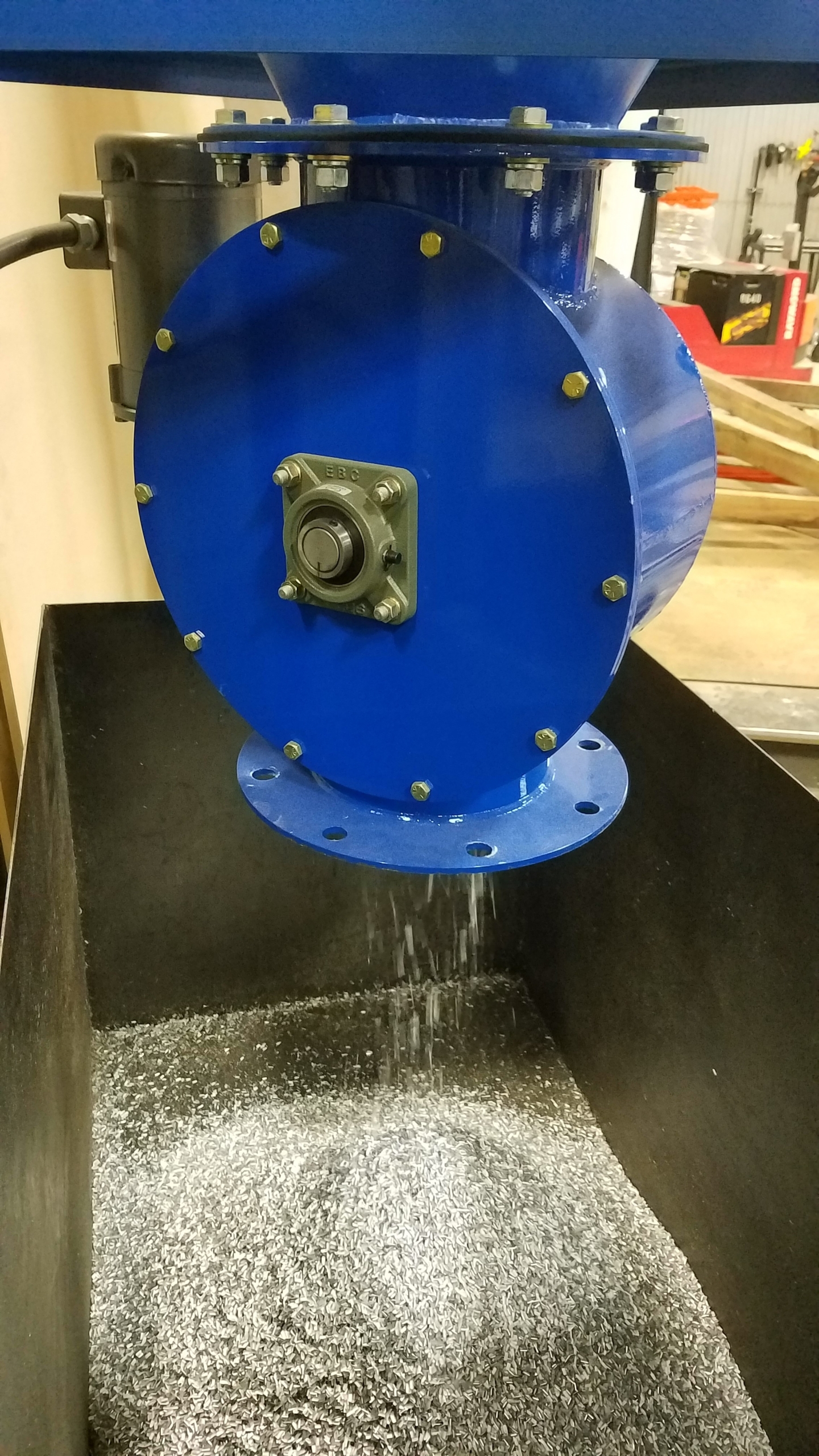
Why Does My Airlock Jam and What Can I Do About It? | Aerodyne
Rotary valves will occasionally jam. This can happen when material gets between the rotor and the housing or when oversized material cannot fit into the rotary valve pockets. Depending on the type of jamming that is happening you handle the situation differently.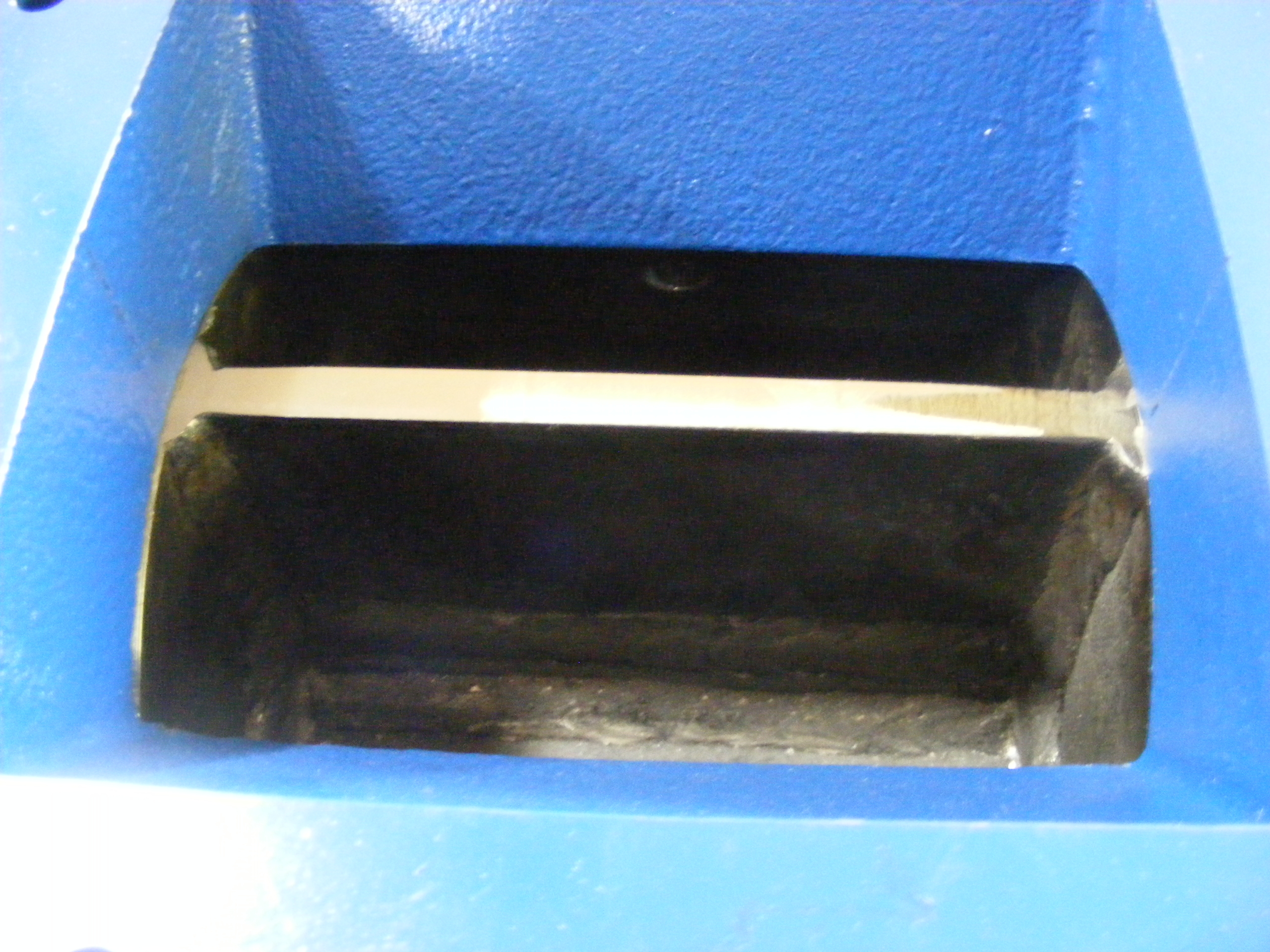
Aerodyne Vacu-Valve ® vs. Traditional Rotary Valve | Aerodyne
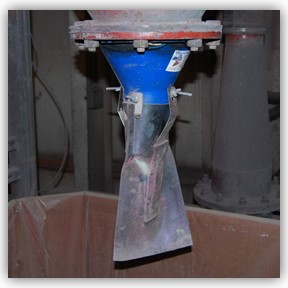 Do the rotary valves under your dust collectors cause maintenance headaches? Are they clogging? Are you having to drop everything and assign extra labor to fix them?
Aerodyne Vacu-Valve ® vs. Traditional Rotary Valve | Aerodyne
Do the rotary valves under your dust collectors cause maintenance headaches? Are they clogging? Are you having to drop everything and assign extra labor to fix them?
Un-powered Valve Saves Initial Cost and Operating Costs over Rotary Airlock Valve
Look under almost any dust collector and you will see a rotary airlock valve spinning its rotor and emptying the collected contents from the hopper. These valves have long been used to maintain a seal in vacuum dust collection systems while simultaneously providing an escape route for the dust. The advantages of a rotary airlock for dust collectors include, automatic hopper emptying, minimal vacuum pressure loss, and the many options available to meet specific application needs. Rotary valves can be custom fit to handle high temperatures, harsh chemical environments, and abrasive materials. Rotary valves do however, have a few major drawbacks.
Why Are Airlocks Needed Under Dust Collectors?
Airlocks are very important for proper dust collector operation. The airlock prevents air from entering or exiting the bottom of the dust collector. The opening at the bottom of the dust collector is meant for discharging the dust from the system. When air is entering or leaving from this area, it will cause issues.
Dust Collection Systems: 5 Best Solutions of Dust Collection Airlocks
When you are specifying your dust collector, don’t just settle on a rotary valve. There are other airlocks that might be better suited for your application. Other airlocks include the double dump (flap) valve, trickle valve, and knife gate. Not to mention just bypassing an airlock totally and connecting a hopper directly to the bottom of the dust collector.