One challenge to designing a manufacturing process is choosing an effective dust collection system that will fit the limited available plant space. Low ceilings pose a challenge for high-efficiency cyclones due to their long-tapered bodies. In many cases, the dust collector must be placed outdoors or partially protruding through the roof. This can be an unfavorable arrangement.
Posts by dust-admin:
What kind of dust collectors are there? | Aerodyne
For the past several decades, industrial facilities in a wide variety of industries have deployed dust collection systems as part of its manufacturing process. As technology and filtration techniques have improved, these systems have changed and evolved to become more sophisticated, and at times complex.
What Is A Dust Collector? | Aerodyne
A dust collector is a mechanical device used to remove dust from an air stream. The dust collection system consists of a hood (or air collection device), the dust collector, the motive fan and any inter-connecting ductwork, stack, dampers, controls, etc. Aerodyne Environmental manufactures cyclone dust collectors and the dust handling valves (airlocks) mounted on the dust collectors.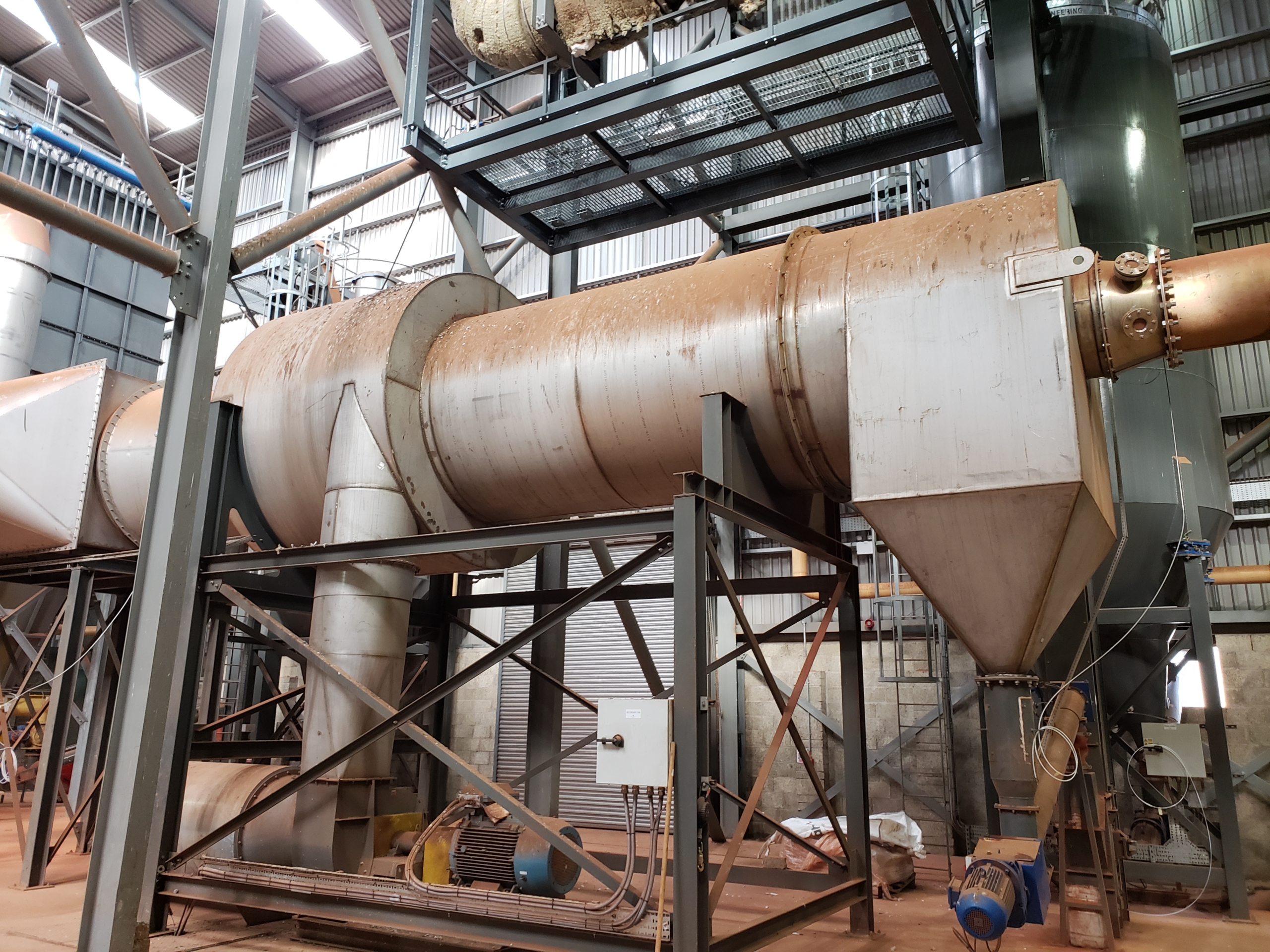
Dust Collection Systems Maintenance: The Cyclones and Filter Collectors | Aerodyne
Dust collection systems pick up dust generated by process equipment and move it away for disposal or to be recycled. They use hoods to gather the air around the dust generation equipment. The dusty air is then sent to the dust collection equipment through ductwork. The dust collection equipment often consists of a pre-filter to help collect the dust followed by the main dust collector. An exhaust fan is often at the end and it powers the system by pulling the air through each of these components.
Exhaust Fans: The Motive Force of a Dust Collection System | Aerodyne
The exhaust fan provides the motive force for the dust collection system. The exhaust fan has a performance curve that defines how much airflow it will pull at a certain static pressure. When you turn on a fan, it will ramp up and increase the airflow until reaching the maximum static pressure it can provide.
The Important of Ductwork in Dust Collection System | Aerodyne
Dust collection systems pick up dust generated by process equipment and move it away for disposal or to be recycled. They use hoods to gather the air around the dust generation equipment. The dusty air is then sent to the dust collection equipment through ductwork. The dust collection equipment often consists of a pre-filter to help collect the dust followed by the main dust collector. An exhaust fan is often at the end and it powers the system by pulling the air through each of these components.
The Impact of Well-Designed Hoods in Dust Collection System | Aerodyne
Dust collection systems pick up dust generated by process equipment and move it away for disposal or to be recycled. They use hoods to gather the air around the dust generation equipment. The dusty air is then sent to the dust collection equipment through ductwork. The dust collection equipment often consists of a pre-filter to help collect the dust followed by the main dust collector. An exhaust fan is often at the end and it powers the system by pulling the air through each of these components.
5 Ways to Go Green in Dust Collection | Aerodyne
Use pulse-on-demand controller for baghouse and cartridge collectors
Pulse-on-demand controllers allow you to clean your filter less often. Less pulses helps you save compressed air and reduces wear and tear on the filters. Cutting down on compressed air means less electricity is required in the compressors and less wear and tear on the filter means they last longer.
5 FAQs of Small Cyclone Technology | Aerodyne
Smaller cyclones avoid many of the disadvantageous and time-intensive aspects of larger cyclones, including those relating to installation and regulatory compliance. Here are the five frequently asked questions about using small dust-collection cyclones.
High Temperatures Are No Problem for Cyclonic Dust Collector | Aerodyne
A manufacturer of grinding wheels in Niagara Falls, N.Y., needed to replace an existing dust collector used to collect dust coming off a rotary kiln. Initially, a bag house collector was considered to be the obvious solution. However, because the problem involved high temperatures – 700° F and above – specific efficiency requirements, moisture content problems, and future maintenance issues, the purchase of an Aerodyne SplitStream grinding dust collector was justified.