We all know that if we don’t regularly maintain our cars, we will end up having issues in the future. If we forget to change the oil, change the brakes or get a tune up, it will eventually catch up to us. Why do we think our dust collection system is any different? Dust collectors are made of various pieces, all of which have to be operating correctly for the system to operate as desired. Usually, a dust collection system consists of the dust collector, exhaust fan, ductwork, and hoods/pickup points. Additional accessories such as airlocks, controls, instrumentation, and dampers all can affect the operation of the system.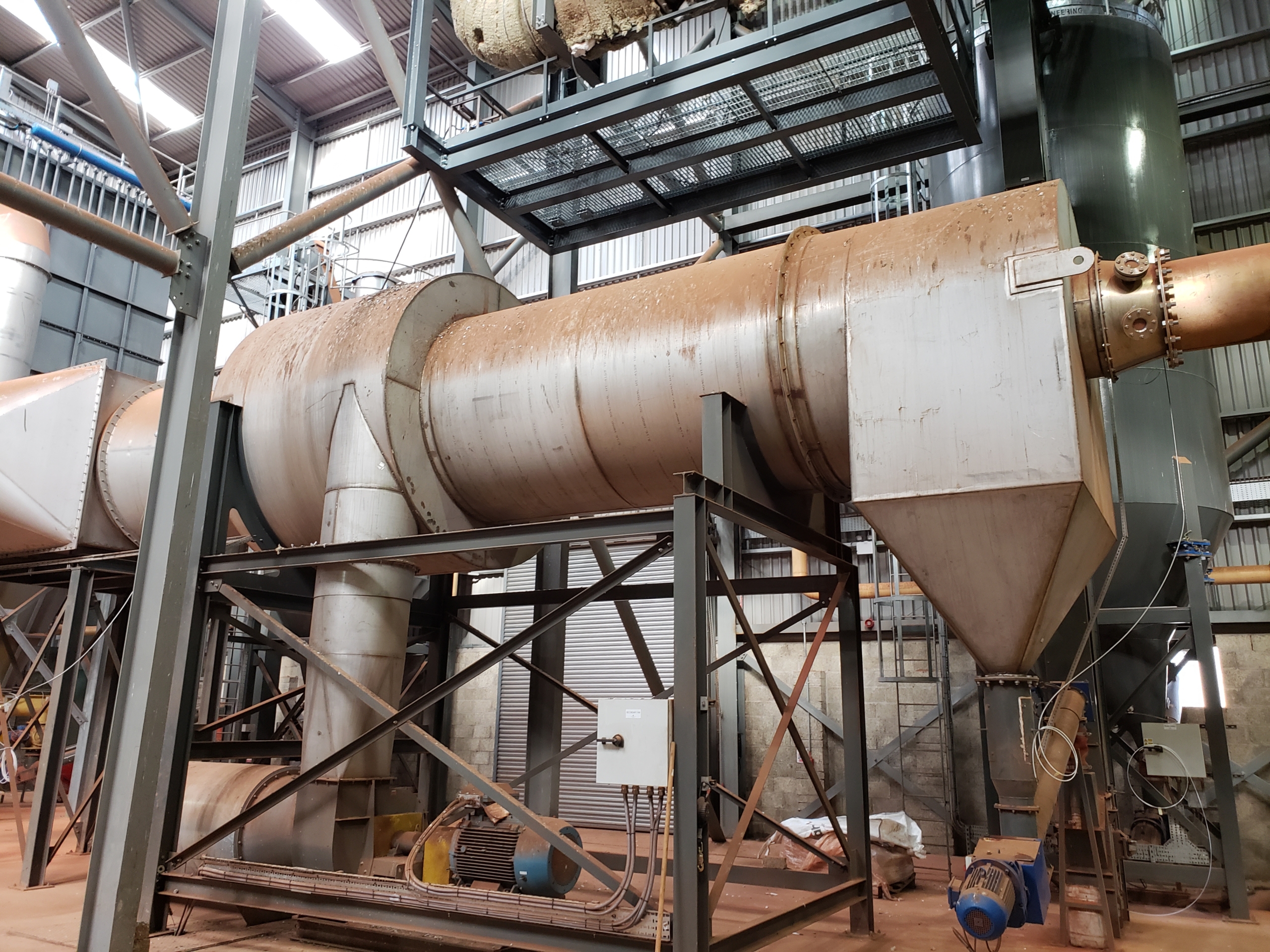
Posts by dust-admin:
Top 5 Applications Where Standard Dust Collectors Fail | Aerodyne
Dust collection is often one step in a series of steps used to treat an airstream or process stream. Often times the airstream will require heating or cooling, gas scrubbing, and/or dilution of gas stream, etc. All of these processes usually require additional equipment to work in tandem with the basic dust collector. Adding additional equipment is not only expensive, but it consumes floor space and often purchasing new equipment will get overlooked simply due to lack of space to accommodate it.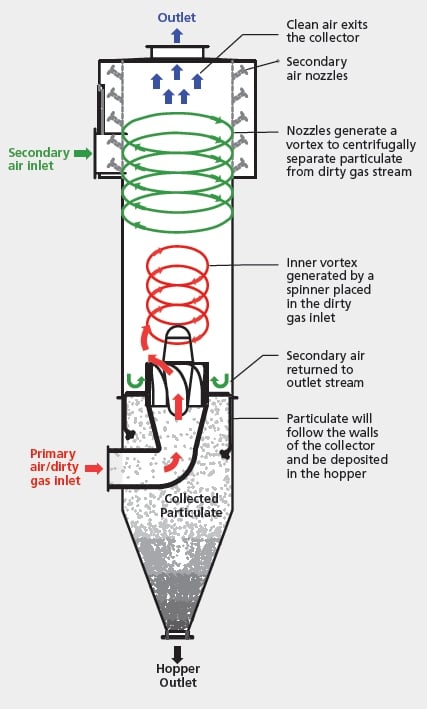
Top 5 Reasons to Use a Cyclone Before a Baghouse or Cartridge Collector | Aerodyne
Most industrial dust collection systems use a baghouse or a cartridge collector. Whether your baghouse or cartridge collector is 50 CFM or 100,000 CFM, there are advantages to putting a cyclone before the baghouse or cartridge collector. Here are 5 advantages to utilizing a cyclone in a dust collection system.
Top 5 Questions to Ask When Choosing a Material Handling Valve | Aerodyne
Material handling valves come in all shapes, sizes, varieties, and with hundreds of available options. From rotary valves and knife gate valves to double dump valves and trickle valves the choices are nearly endless. With such a vast selection available, choosing the right material handling valve for a given application can be a difficult task and choosing the wrong valve can be costly.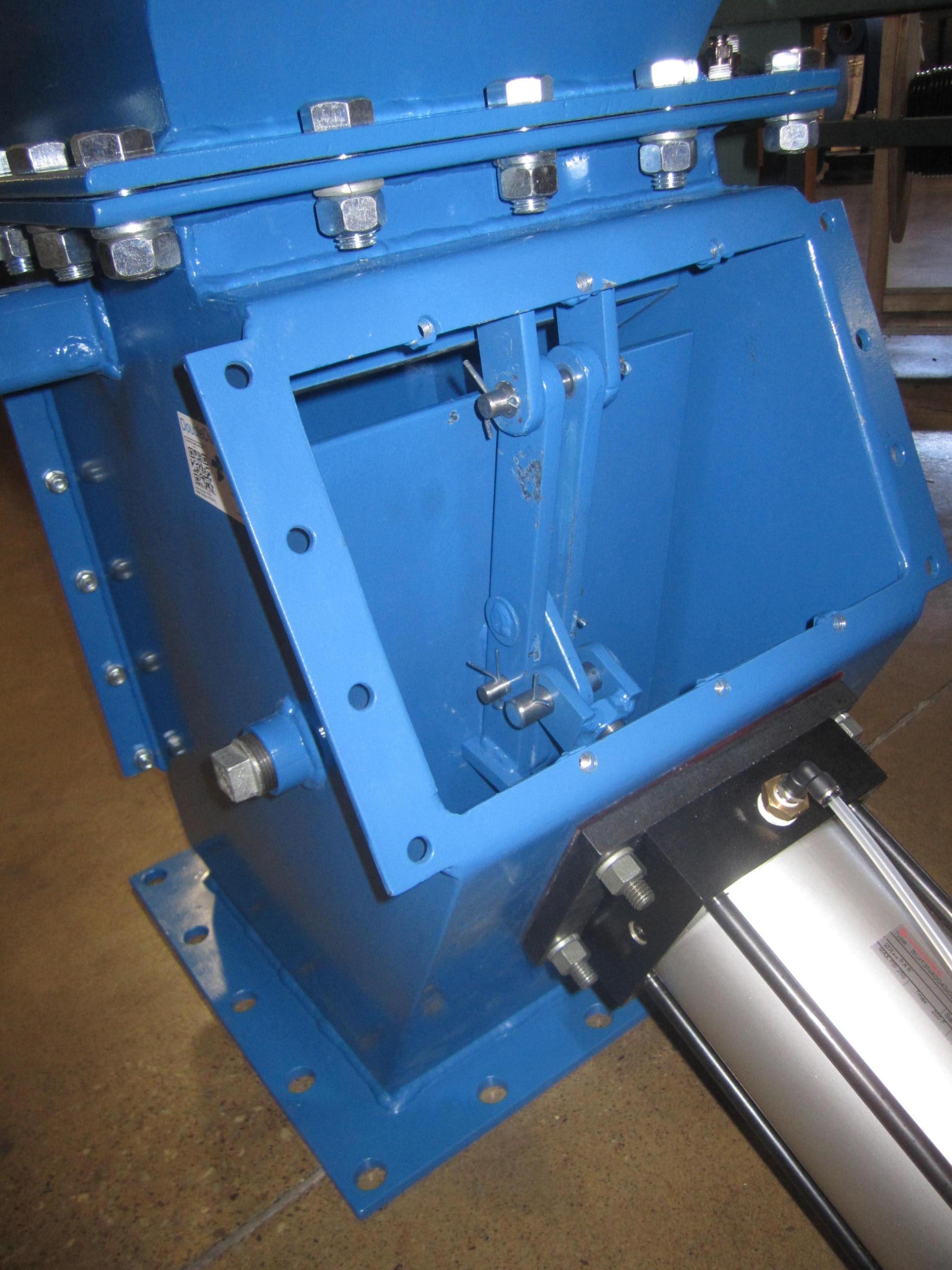
Wet Scrubbers Allow for Easier Collection and Removal of Certain Materials | Aerodyne
Wet scrubbers are used in dust collection for a variety of reasons. One of the main reasons is allowing for easier collection and removal of certain materials.
Wet Scrubbers Can Help Prevent Some Fires and Explosions | Aerodyne
Wet scrubbers are used in dust collection for a variety of reasons. One of the reasons is to help prevent fires and explosions.
Air Leakage in Airlocks | Aerodyne
Airlocks are required in order for dust collectors to operate correctly. When a dust collector is under positive pressure, the airlock prevents air and collected material from blowing out of the dust discharge flange. A lack of airlock will cause dust to be thrown into surrounding areas and pile up on the floor and other surfaces.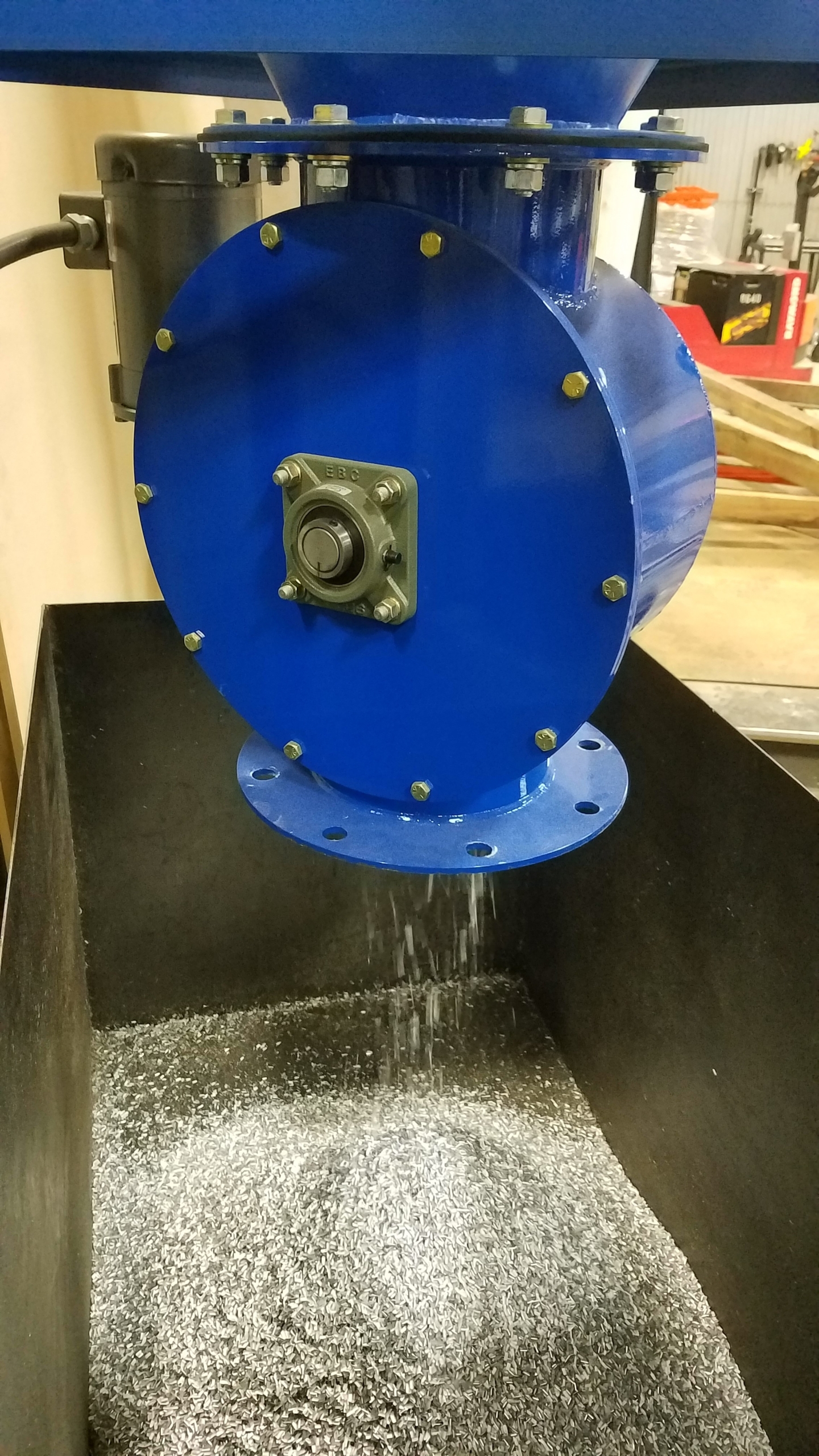
The Negatives of Pulsing Bags Too Often | Aerodyne
Using bags, cartridges, and filters for dust collection is one of the best ways of capturing dust particles in the airstream. The filter allows the air to pass by while preventing the particulate from passing through. The dust particles then begin to build up on the filter. This build up helps prevent smaller particles from passing through, but also makes it harder for air to pass through. Over time this dust layer will prevent the air from passing though, thereby plugging up the filters. 
Chemical and Fume Removal is Wet Scrubbing’s Cup of Tea | Aerodyne
The main reason to use wet scrubbing for particulate removal is that you need wet scrubbing for chemical or fume removal. Wet scrubbers such as a packed tower are great for removing chemicals (contaminant) in the air, such as acids, bases, etc.
Why Learn the Shape of Your Dust? | Aerodyne
When we think about dust particles being picked up by dust collectors we think of the particles as small spheres. And often for theoretical removal efficiency of a dust collector the dust is assumed to be a sphere. This is done to simplify the calculations as spheres act predictably compared to other shapes. However in real life dust isn’t normally spherical in shape. Dust is often created by material rubbing against each other and breaking off. This material often breaks along weak points in the material structure, which often isn’t spherical in shape. The material can have a wide range of shapes.