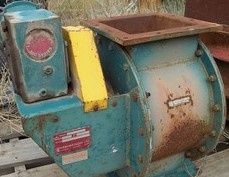
A common problem that the dust collection industry faces is that once a dust collection system is installed, the records of the system are often lost or forgotten. Typically, the engineer who designed the system moves to another position or eventually retires, and the details are not passed along to the next person. This lack of continuity can lead to significant challenges when issues develop.
Posts by dust-admin:
Revolutionizing Dust Collection: Aerodyne Vacu-Valve vs. Rotary Airlocks | Aerodyne
In industrial settings, dust collection systems are vital for maintaining clean and safe work environments. Most dust collectors are equipped with a motor-driven rotary airlock valve that efficiently empties contents from the hoppers. Rotary valves have been a staple in dust collection technology for many years due to their reliability and effectiveness in managing dust discharge. They offer certain advantages, such as the ability to handle a continuous flow of dust and debris. However, these traditional systems come with several significant drawbacks.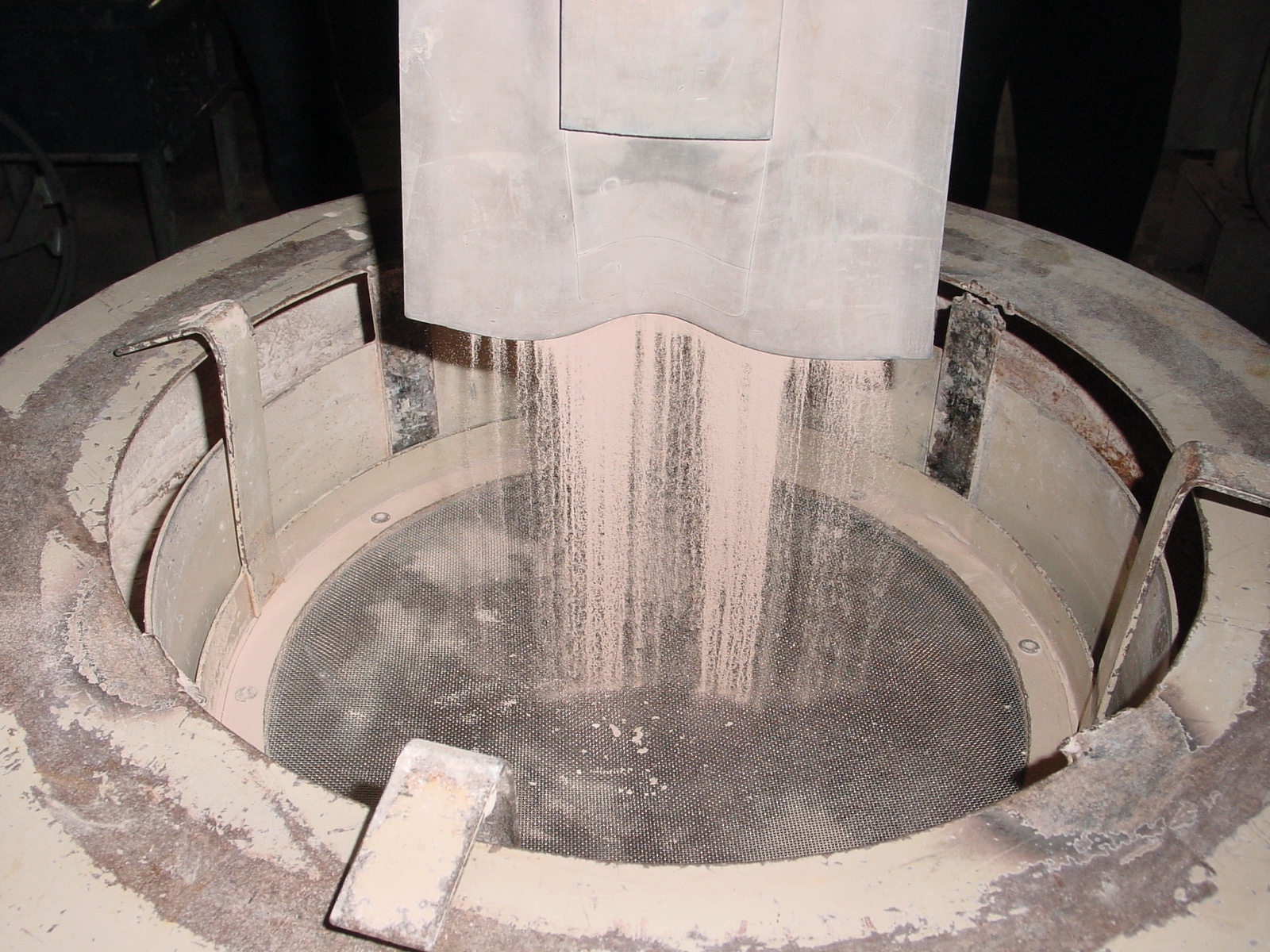
Optimizing Dust Collection Efficiency: Exploring Airlock Alternatives | Aerodyne
Selecting the appropriate airlock for your dust collection system is crucial for ensuring optimal performance and efficiency. While the rotary valve is a common choice, exploring alternative airlock options can lead to better results tailored to your specific application needs. In this article, we’ll delve deeper into the various airlock alternatives available, highlighting their features, benefits, and suitability for different scenarios.
Why Companies Avoid Upgrading Dust Collectors? | Aerodyne
Dust collectors are vital components in many industrial settings, responsible for maintaining air quality and ensuring the safety of workers. However, despite their importance, some companies hesitate to replace their aging dust collection systems. In this blog post, we’ll delve into the reasons behind this hesitation and explore why upgrading dust collectors is crucial for both worker safety and operational efficiency.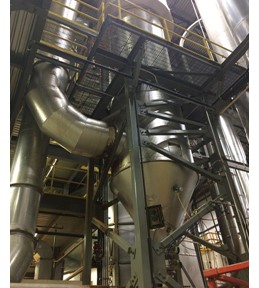
Aerodyne GPC™ Cyclonic Dust Collector Captures Active Pharmaceutical Ingredients | Aerodyne
In industrial processes, the value of efficient material recovery is an important aspect and emphasizes the pivotal role that cyclonic dust collector technology plays in the recovery of highly valuable materials during production. One noteworthy example highlighting the significance of this technology in the manufacturing of active pharmaceutical ingredients (API), particularly in the context of drying systems.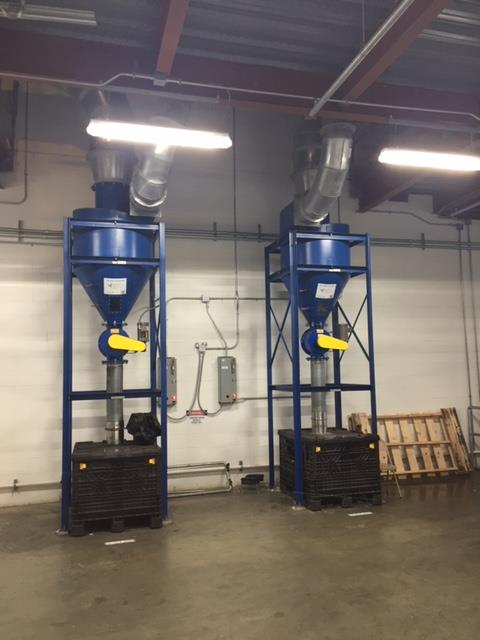
How to Enhance Your Dust Collection System | Aerodyne
Maintaining a clean and safe working environment is essential, especially in workshops and industrial settings where dust and airborne particles are common byproducts. A well-designed dust collection system is crucial for both the health of workers and the longevity of machinery. We will explore various ways to enhance the performance of your dust collection system, ensuring optimal efficiency and effectiveness.
Extending Filter Lifespan with Cyclone Pre-Filters | Aerodyne
Baghouses and Cartridge collectors are very good at removing dust from their air. However, when the dust concentration is high, or the dust is abrasive, wet, sticky or fibrous, the baghouse filters can have issues.
GPC Dust Collector: Efficiency and Space Savings | Aerodyne
Designing a ventilation system always involves considering space constraints. Ductwork, which is essential for air distribution, occupies space within the facility, and its design must efficiently use the available area while ensuring optimal airflow.
Unveiling Contrasts: Traditional Cyclone vs. Aerodyne Cyclone | Aerodyne
Aerodyne manufactures two different types of cyclones – the GPC (Ground Plate Cyclone) and the SplitStream Collector. These Aerodyne cyclones are not the traditional cyclones with which you are probably familiar. Both cyclones can be designed for vertical or horizontal installation; traditional cyclones can only be vertical. The Aerodyne GPC and SplitStream cyclones also provide high particulate removal efficiency. The following describes the different cyclones that are available along with their advantages and disadvantages.
When to Use a Non-Powered Automatic Valve for Dust Discharge | Aerodyne
Look under almost any dust collector and you will see a rotary airlock valve spinning its rotor and emptying the collected contents from the hopper. These valves have long been used to maintain a seal in vacuum dust collection systems while simultaneously providing an escape route for the dust.