When selecting the cyclone for a dust collection process, there are different factors affecting sizing and cost of the cyclone. The cyclone should be sized to compliment the airflow of the system and the required dust removal efficiency. Process conditions will dictate suitable materials of construction as well as any special design requirements.
Posts about GPC Cyclone (4):
How To Determine the Cost of a Cyclone – Part 4 | Aerodyne
Part 4: Application Requirements
Cyclones also need to be constructed so that they meet the specifications and requirements of the applications they are going in. Some applications, like woodworking or where the material being collected is waste, don’t need any special constructions. Applications such as food and pharmaceuticals can be very specific. Every application, customer, process, and facility has their own set of requirements. These could include a special quick clean access or a higher weld spec to prevent accumulation in the vessel.
Horizontal Cyclones: Solutions for Space Limitation | Aerodyne
If you are like many plant engineers who are working within the confines of a limited work space, rest assured that you don’t need to compromise on the efficiency of your industrial dust collection system. A traditional, high-efficiency cyclone is not the best solution for facilities with low ceilings.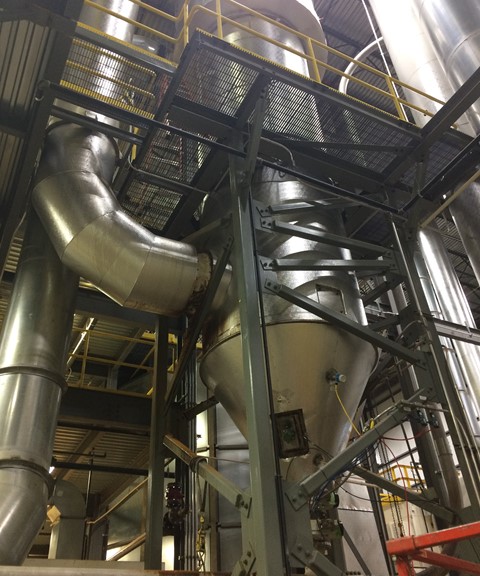
Dust Collector Placement Part 4: Surrounding Areas | Aerodyne
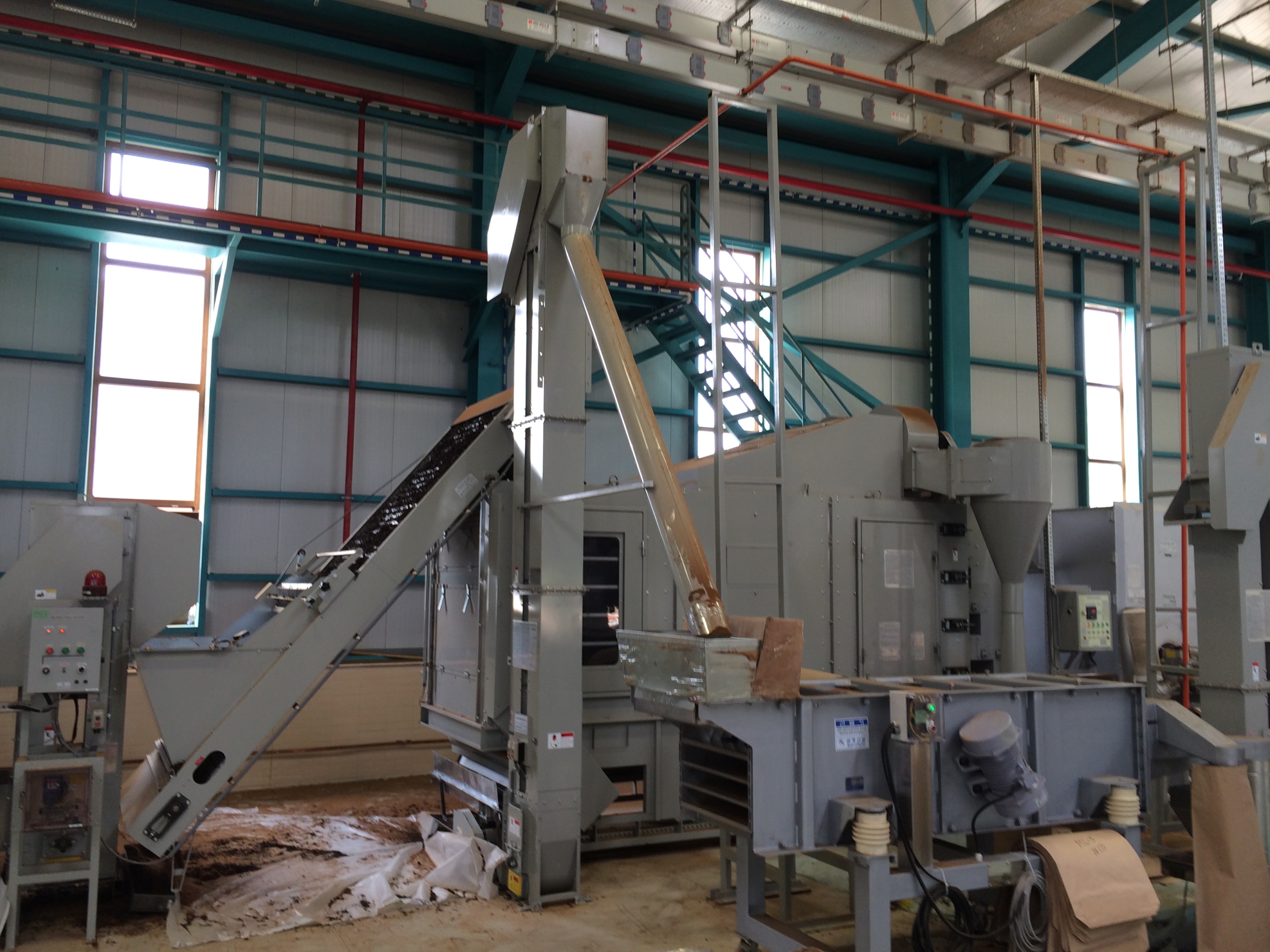 When it is time to add a dust collector to your application, you have to find a place for the dust collector. This isn’t always easy. New facilities are usually designed around the equipment that is being installed. However when a system in an existing facility is modified or installed, you will have limited space to install the dust collector system. There are four factors that you should take into account when finding a place for your dust collector. (Part 4 of 4)
Dust Collector Placement Part 3: Distance from Process | Aerodyne
Dust Collector Placement Part 2: Space Constraints | Aerodyne
When it is time to add a dust collector to your application, you have to find a place for the dust collector. This isn’t always easy. New facilities are usually designed around the equipment that is being installed. However when a system in an existing facility is modified or installed, you will have limited space to install the dust collector system. There are four factors that you should take into account when finding a place for your dust collector. (Part 2 of 4)
Dust Collector Placement Part 1: Explosive Dust | Aerodyne
When it is time to add a dust collector to your application, you have to find a place for the dust collector. This isn’t always easy. New facilities are usually designed around the equipment that is being installed. However when a system in an existing facility is modified or installed, you will have limited space to install the dust collector system. There are four factors that you should take into account when finding a place for your dust collector. (Part 1 of 4)
Why Install Dust Collectors Even If It Is Not Required | Aerodyne
The most basic reason to install dust collectors is because the EPA, OSHA or other regulatory agency requires you to. However there are other reasons to install a dust collector even if you aren’t required to.
The Benefits and Restrictions of Clamp Together Ductwork | Aerodyne
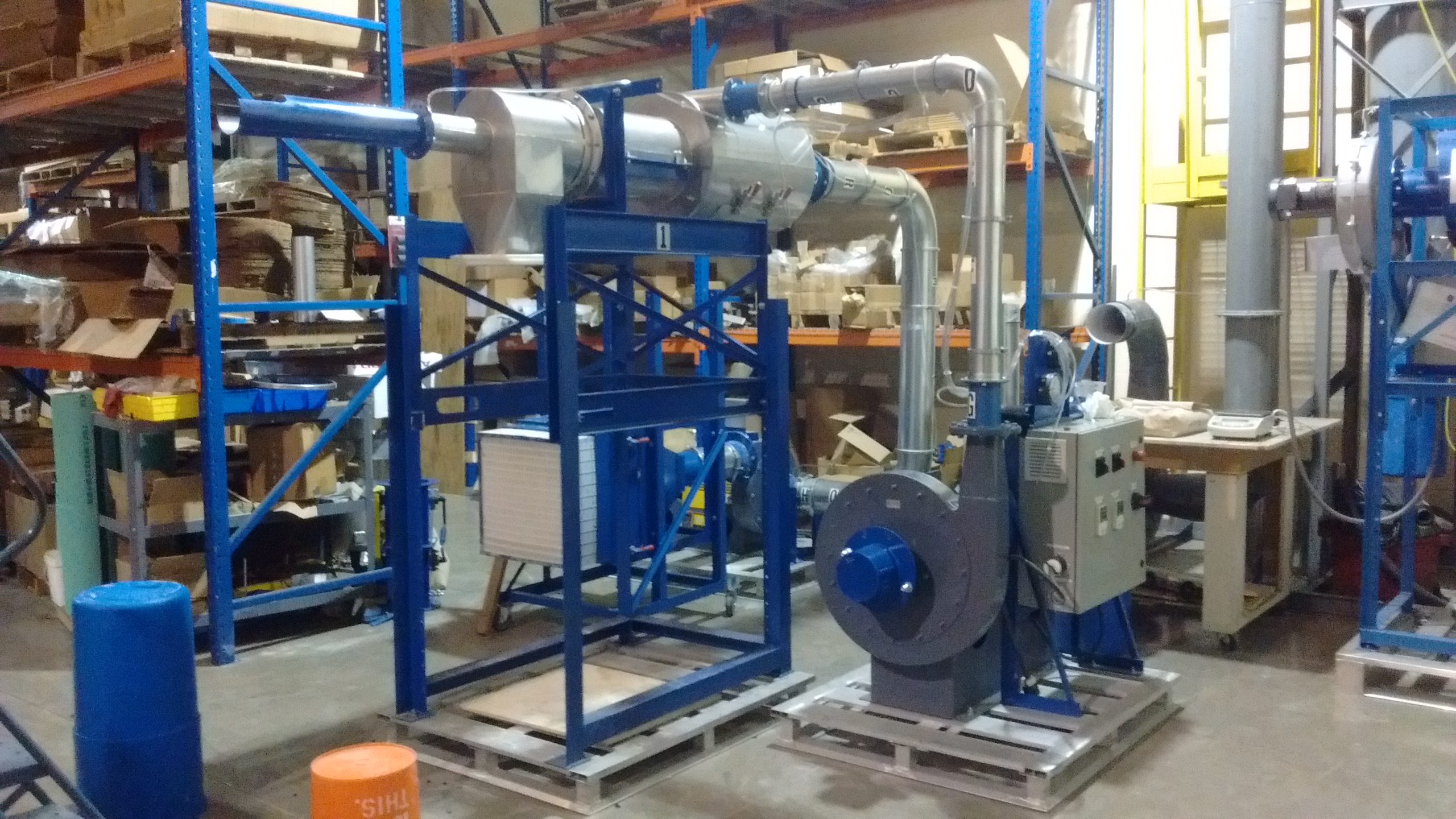 The use of clamp together ductwork has increased over the past few years. There are multiple suppliers of clamp together ductwork which helps to keep the prices down. Clamp together ductwork is easy to design and install.
It is the Spring Cleaning Time for your Dust Collector!
Now that winter is winding down, it’s time to get ready for summer! That means planning vacation with the family! Cleaning up the yard! Send the kids outside so they burn off all that energy they accumulated over the winter!