The airflow in dust collection systems is crucial to the proper operation of the system. The dust collection system consists of the hood/pickup points, ductwork, dust collector(s) and exhaust fan. The hood/pickup points are designed to capture the dust. This design requires a range of airflows to properly work. If too little airflow is going through the hood, dust will escape from the hood. If too much air is going through the hood, the system can capture material it isn’t supposed to (example picking up product from the conveyor belt, not just dust lingering over the belt in the air).
Posts about GPC Cyclone (3):
What’s the Best Method for Designing a Balanced System? | Aerodyne
When you are designing your ductwork, there are two ways you can do it. 1) You can use dampers to control the airflow at each pickup and balance the system or 2) You can balance by design which means the ductwork is designed so that the proper airflow goes through each pickup without the need to install dampers. There are positives and negatives with both. The following will go over them.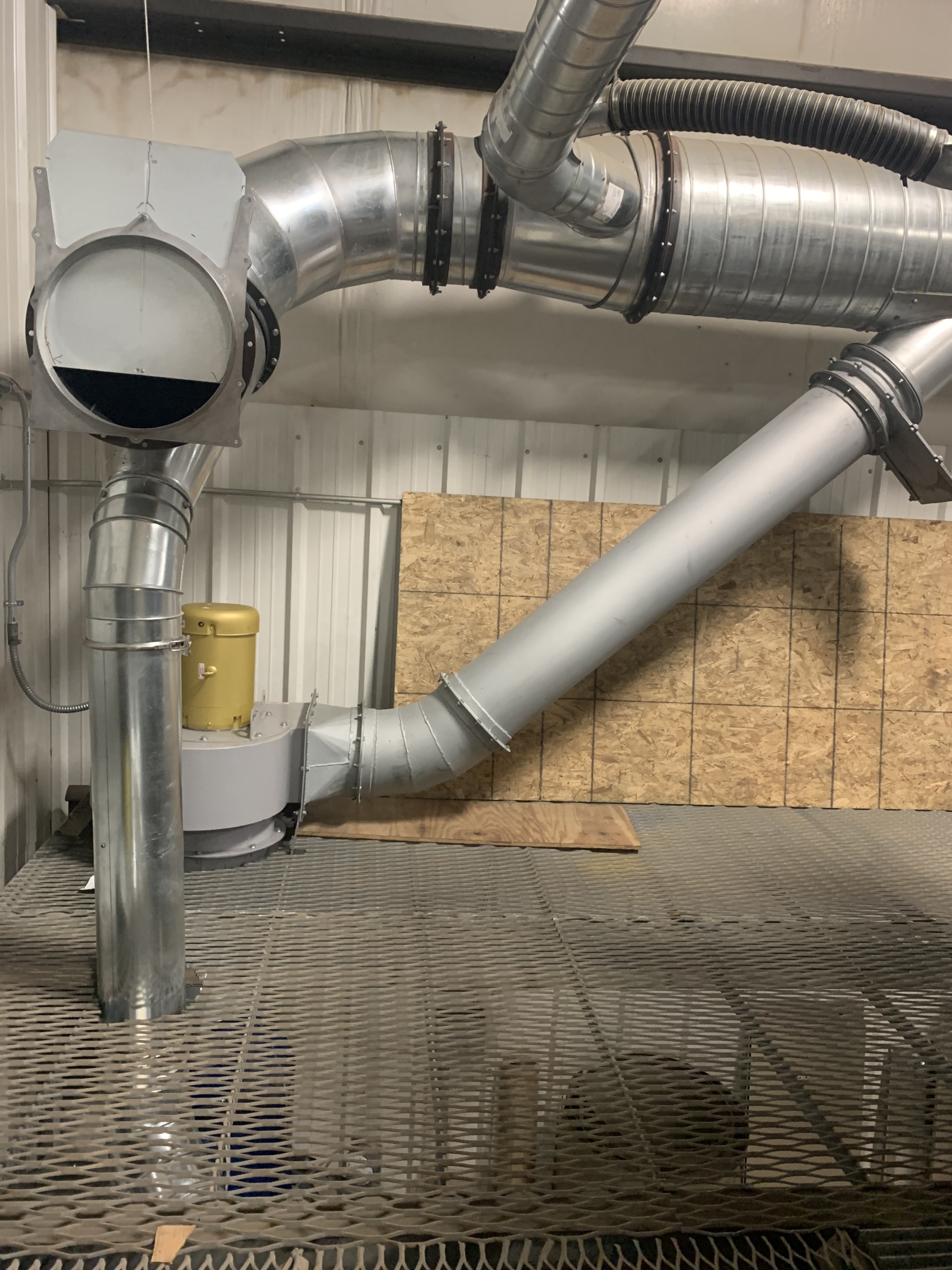
Is Your Hygroscopic Dust Causing Issues in Your Dust Collectors?| Aerodyne
Hygroscopic dust can really grow on your nerves! I know the marketing department might take away my writing duties after that line. But seriously, hygroscopic dust can cause major maintenance issues in your dust collectors. Hygroscopic dust captures water vapor and droplets. This causes the particles to grow in size and weight, thereby making them easier to capture and remove from the airstream. However, if you are using filters, that’s where the problems start.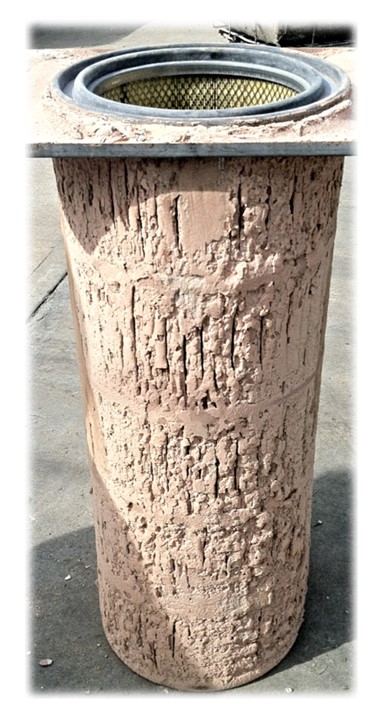
5 Key Questions to Ask Before Choosing a Cyclone Dust Collector
Designing a dust collection system can be quite a daunting task. With so many collector options and so many application variables to consider, it is difficult to know where to begin. Cyclones are among the oldest and still most reliable methods of dust collection available. Because they require very little maintenance, have low up-front cost, and offer unmatched versatility, cyclone collectors remain a viable solution to many air-handling challenges. Although heightened environmental regulations and collection efficiency needs have shifted industry toward the use of filter-media collectors, cyclonic dust collection still plays a vital role in many air-handling systems. These five questions will help determine if a cyclone dust collector is right for your application.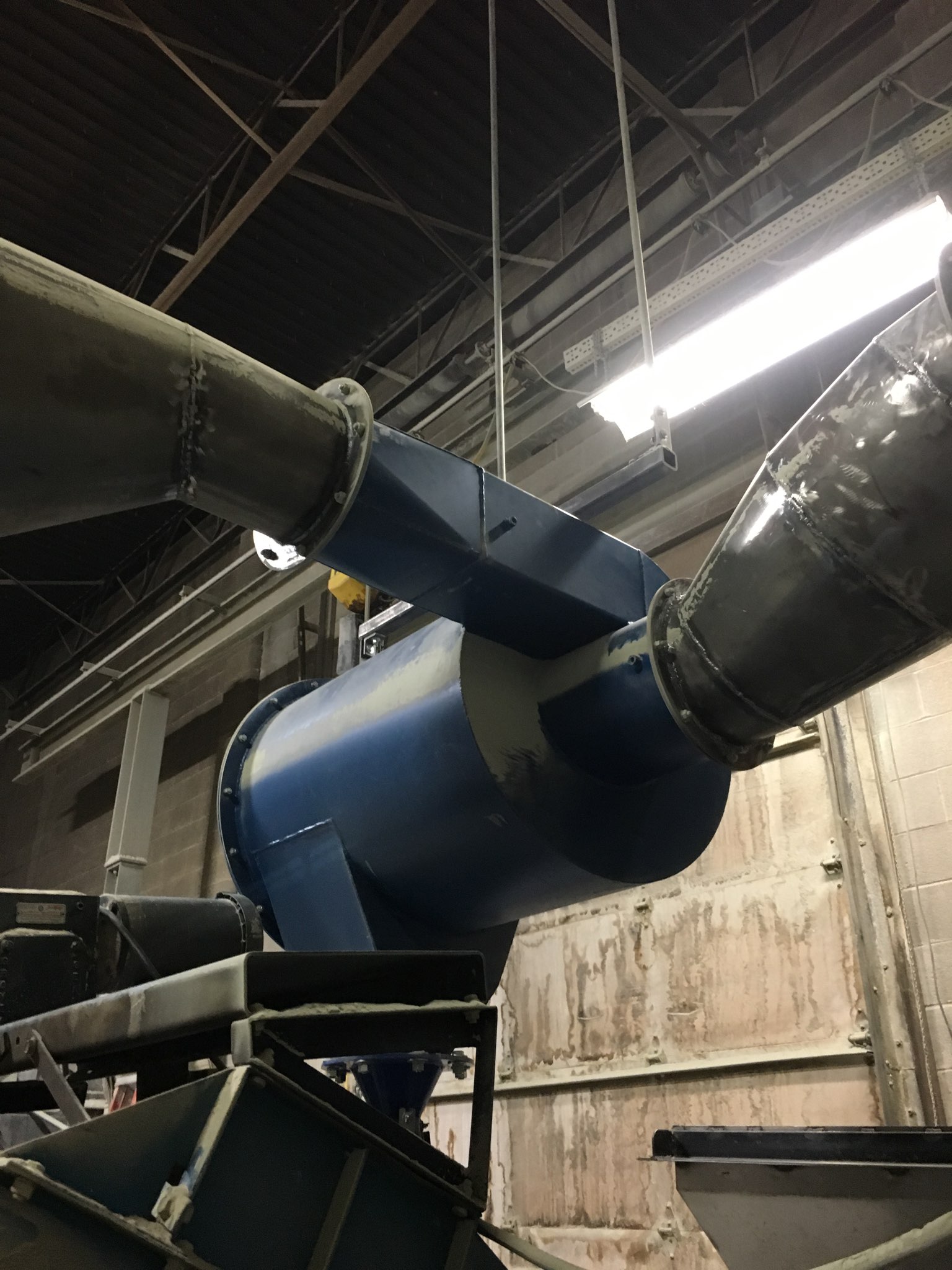
How Do I Extend the Life of My Filters? | Aerodyne
Dust collection filters such as the bags in baghouses, cartridges in cartridge collectors, and HEPA filters all filter out dust particles by collecting them in between their fibers. Dust builds up on the bags and cartridges to form a filter cake over the filter further restricting the ability of dust particles and airflow to pass through the filter. This restricting of airflow causes a pressure drop (resistance) which is directly related to the amount of dust built up on the filters. As the pressure drop increases, the airflow through the collector will decrease. Most baghouses and cartridge collectors have cleaning cycles which remove some of the dust from the filters keeping the pressure drop low.
Proper Placement of Your Dust Collector Depends on the Job | Aerodyne
Dust collectors can be used for a variety of reasons. Some dust collectors are placed around applications that create dust such as saws, grinders, lathes, etc. The dust collector system is used to pull air from the area producing the dust via a hood and through some ductwork until it gets to the dust collector. The dust collector then separates the dust from the air.
Compact Cyclone Perks Up Coffee Roasters | Aerodyne
A prominent coffee bean roaster is planning on building a new roasting facility in New Jersey. The head engineer contacted Aerodyne about trying to find equipment that could separate the coffee beans as they are pneumatically conveyed from one portion of the facility to the other. The engineer specified that the problem the facility was facing was space.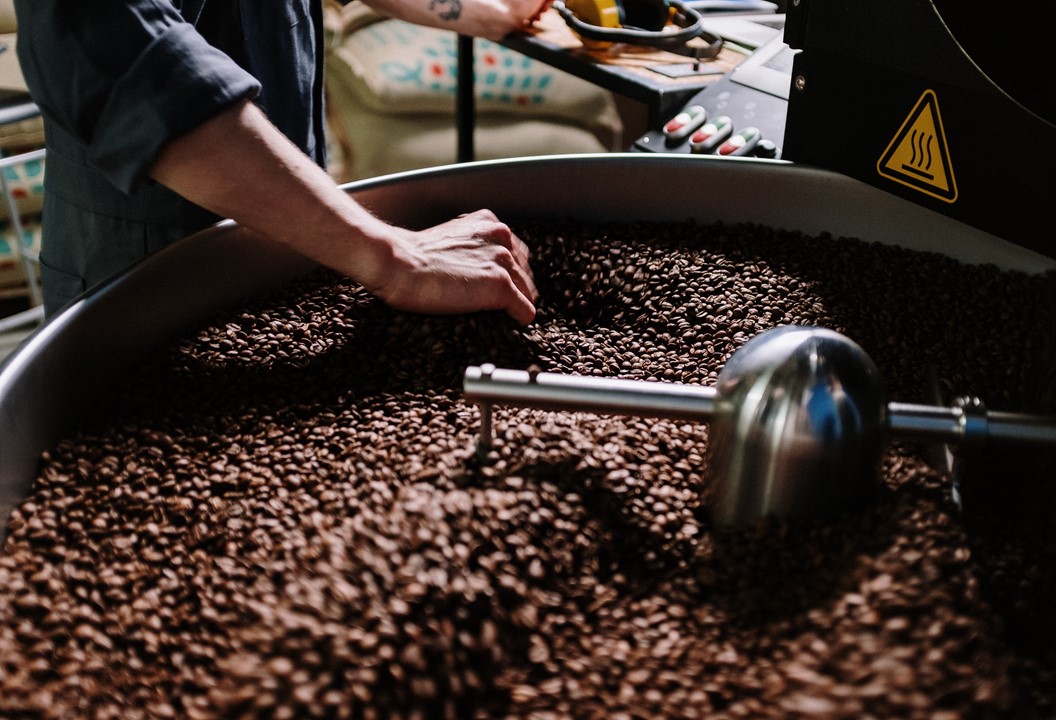
Particle Size Helps in Selecting Dust Collector | Aerodyne
In dust collection one of the most important dust characteristics to define is the particle size of the dust. The larger the dust the easier it is to capture. While the smaller the dust particle the harder it is to capture and remove from the airflow. This applies to both heavy and light particles. What this means is that in order to accurately predict your removal efficiency, you need to know the particle size distribution.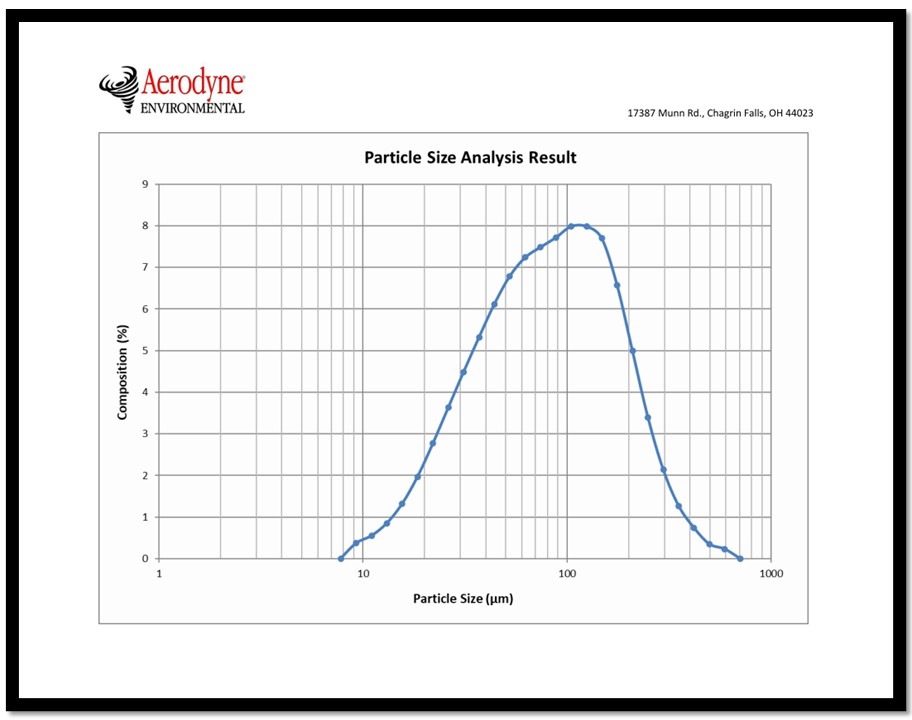
Do Cyclones Replace Dust Collectors (Baghouses, Wet Scrubbers)?
In most applications, cyclones do NOT replace baghouses, cartridge collectors, wet scrubbers, electrostatic precipitators, etc. Modern air pollution regulations require dust collectors to provide greater removal efficiencies in the PM2 and PM10 than most cyclones can provide.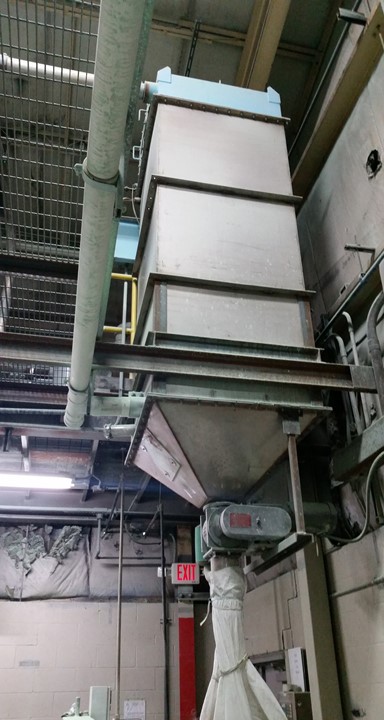
How To Determine the Cost of a Cyclone – Part 6 | Aerodyne
Part 6: Scope of Supply
Cyclones do not stand alone in most applications; rather, they require additional equipment to function properly. Depending on your specific application, this equipment can include an airlock, exhaust fan, explosion protection, instrumentation, insulation, vibrator, and even ductwork. Moreover, a cyclone can be purchased either as a complete system with all the necessary equipment or by itself to be integrated into an existing system. In either case, the system is then assembled by the end user or a third party. Often, the total cost of the accessory equipment exceeds that of the cyclone itself. Below is a brief description of these potential accessories and how they impact the cyclone’s performance.