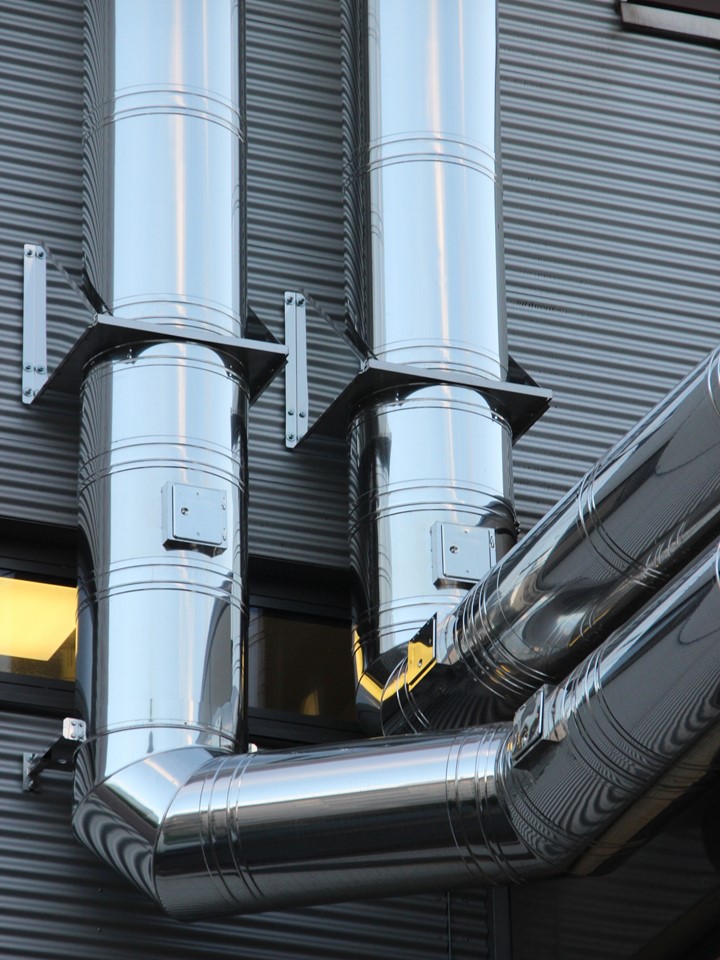
 When designing a dust collection system, the ductwork is like the highways of the system. They allow the dust to move from the area of production to the dust collector. The dust should move fast enough so it doesn’t fall out while not moving too fast to cause undue wear and pressure drop. What this means is when you are designing your dust collector ductwork, pay attention to the ductwork diameters. When picking the ductwork diameters throughout the system, make sure the velocities correlate with the design velocities shown below.
Posts about Velocity in Dust Collection System:
How To Determine the Cost of a Cyclone – Part 2 | Aerodyne
When selecting the best cyclone for your process, there are many different factors that affect the sizing and cost of the cyclone. The cyclone must be sized so that it handles the airflow of the system and components. The proper design for the required removal efficiency must be used. The process will also dictate the materials of construction and special requirements. The location where the cyclone will be installed will influence the cyclone orientation. Cyclones aren’t a stand-alone piece of equipment; support equipment is required for proper operation. Therefore, the scope of supply will affect the cyclone costs and design. The following is a brief description of the different elements that affect cyclone sizing and pricing.
Why You Should Pay Attention to Air Velocity in Your Dust Collection System
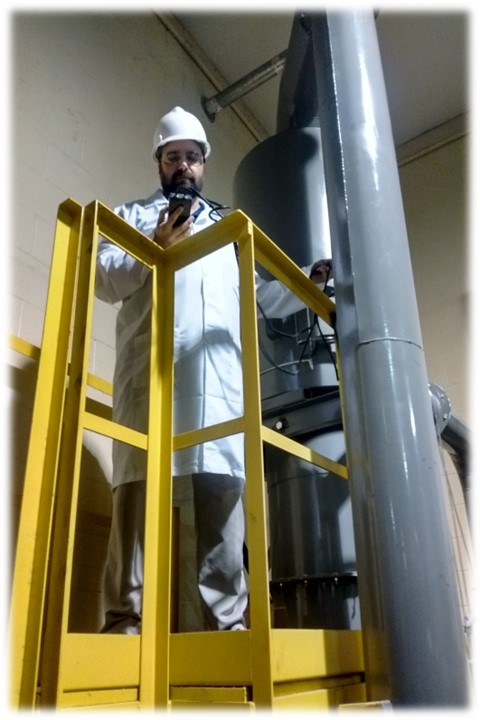 If your air velocity is too low in your ductwork you could get dust dropping out in straight runs. And dust collecting in ductwork is not a very good idea.