The main reason to use wet scrubbing for particulate removal is that you need wet scrubbing for chemical or fume removal. Wet scrubbers such as a packed tower are great for removing chemicals (contaminant) in the air, such as acids, bases, etc.
Posts about Dust Collectors (3):
Why Learn the Shape of Your Dust? | Aerodyne
When we think about dust particles being picked up by dust collectors we think of the particles as small spheres. And often for theoretical removal efficiency of a dust collector the dust is assumed to be a sphere. This is done to simplify the calculations as spheres act predictably compared to other shapes. However in real life dust isn’t normally spherical in shape. Dust is often created by material rubbing against each other and breaking off. This material often breaks along weak points in the material structure, which often isn’t spherical in shape. The material can have a wide range of shapes.
Dust Collector Hoppers Are Not For Material Storage | Aerodyne
One common mistake operators make in dust collectors is to use the dust collector hopper to store material. The hopper in a dust collector isn’t designed for this. Instead it is a temporary home for the dust collected while the material is being removed. This period should be as short as possible for the following reasons:
Airflow in Dust Collection Systems | Aerodyne
The airflow in dust collection systems is crucial to the proper operation of the system. The dust collection system consists of the hood/pickup points, ductwork, dust collector(s) and exhaust fan. The hood/pickup points are designed to capture the dust. This design requires a range of airflows to properly work. If too little airflow is going through the hood, dust will escape from the hood. If too much air is going through the hood, the system can capture material it isn’t supposed to (example picking up product from the conveyor belt, not just dust lingering over the belt in the air).
How does particle size distribution affect my process explosibility?
One of the issues when figuring out if your dust is explosive is the particle size of the dust and the location where you are assessing the dust. Material that consists of very large particles sizes (larger than 500 micron) tend not to be explosive. While larger particles can catch fire, they tend to prevent explosions. However, this might not be as straight forward as you think.
The Importance of a Proper Hood | Aerodyne
A dust collection system consists of four major components. The pickup hood, ductwork, dust collector, and exhaust fan. For the system to operate efficiently all four components much be sized and used correctly. Unfortunately, one of the main components (the hood) is often overlooked. The hood design is crucial for the operation of the dust collector system. And without the proper hood design, your dust collector will not provide the dust pickup required for the safety of the equipment and workers.
How Vibrators Can Help Hopper Flow? | Aerodyne
Dust collectors have hoppers under the collection chambers to channel the dust out of the system for use or disposal. The hoppers are not designed to be used to collect and store the material, but rather as a place for the material to temporarily collect before passing through the airlock and out of the system. 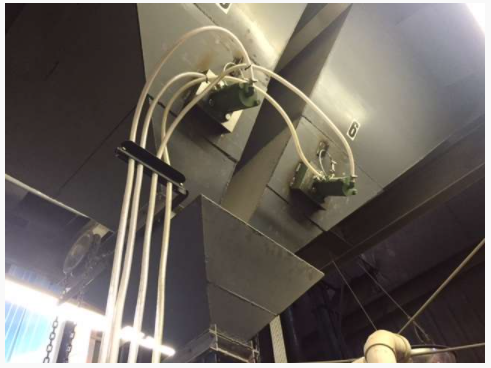
What’s the Best Method for Designing a Balanced System? | Aerodyne
When you are designing your ductwork, there are two ways you can do it. 1) You can use dampers to control the airflow at each pickup and balance the system or 2) You can balance by design which means the ductwork is designed so that the proper airflow goes through each pickup without the need to install dampers. There are positives and negatives with both. The following will go over them.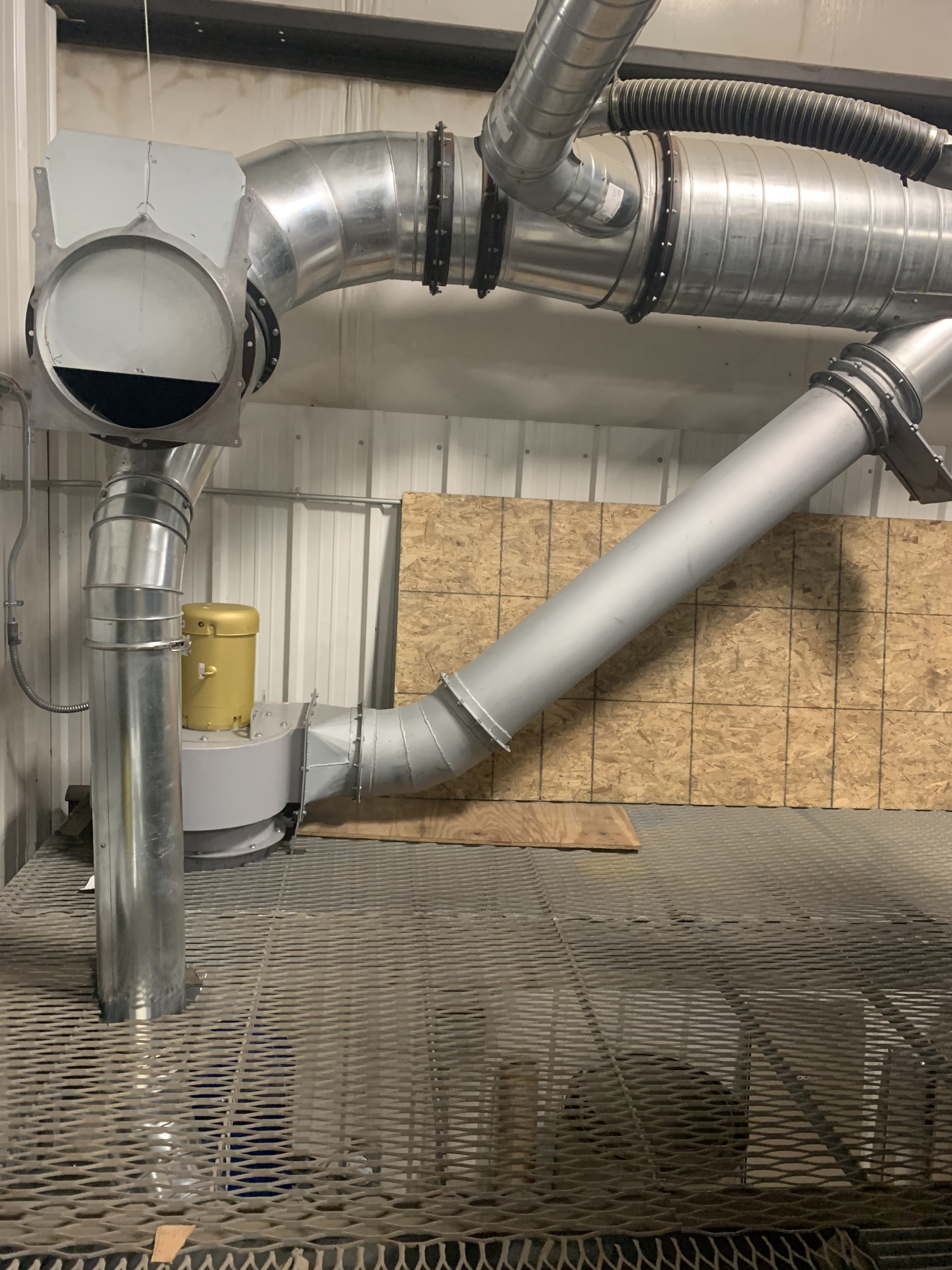
Is Your Hygroscopic Dust Causing Issues in Your Dust Collectors?| Aerodyne
Hygroscopic dust can really grow on your nerves! I know the marketing department might take away my writing duties after that line. But seriously, hygroscopic dust can cause major maintenance issues in your dust collectors. Hygroscopic dust captures water vapor and droplets. This causes the particles to grow in size and weight, thereby making them easier to capture and remove from the airstream. However, if you are using filters, that’s where the problems start.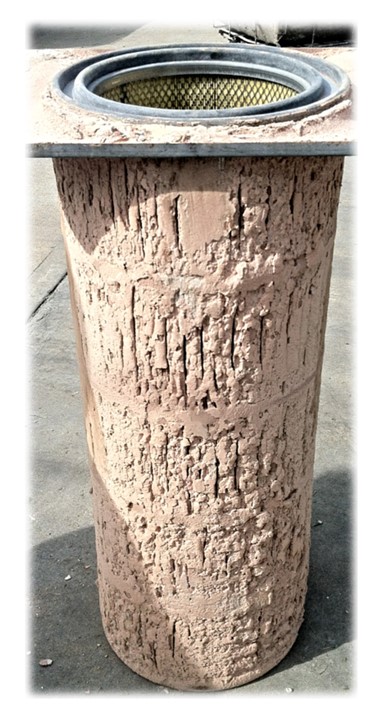
Dust Collector Frequently Asked Questions: Part 2 | Aerodyne