In industrial processes, the value of efficient material recovery is an important aspect and emphasizes the pivotal role that cyclonic dust collector technology plays in the recovery of highly valuable materials during production. One noteworthy example highlighting the significance of this technology in the manufacturing of active pharmaceutical ingredients (API), particularly in the context of drying systems.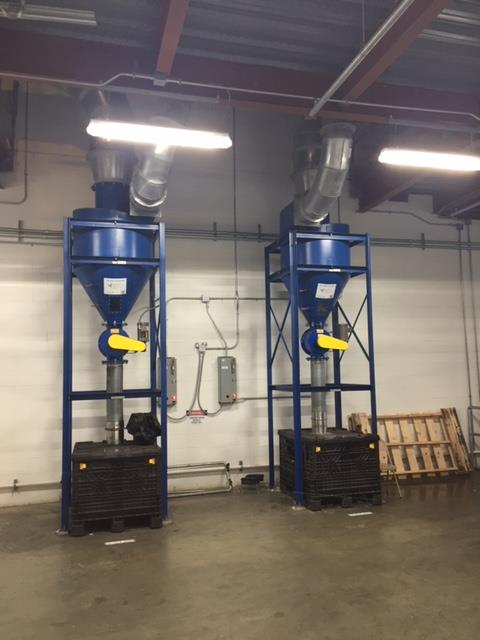
Posts about Dust Collectors (2):
How to Enhance Your Dust Collection System | Aerodyne
Maintaining a clean and safe working environment is essential, especially in workshops and industrial settings where dust and airborne particles are common byproducts. A well-designed dust collection system is crucial for both the health of workers and the longevity of machinery. We will explore various ways to enhance the performance of your dust collection system, ensuring optimal efficiency and effectiveness.
Horizontal and High-Efficiency Cyclone | Aerodyne
One challenge to designing a manufacturing process is choosing an effective dust collection system that will fit the limited available plant space. Low ceilings pose a challenge for high-efficiency cyclones due to their long-tapered bodies. In many cases, the dust collector must be placed outdoors or partially protruding through the roof. This can be an unfavorable arrangement.
What Is A Dust Collector? | Aerodyne
A dust collector is a mechanical device used to remove dust from an air stream. The dust collection system consists of a hood (or air collection device), the dust collector, the motive fan and any inter-connecting ductwork, stack, dampers, controls, etc. Aerodyne Environmental manufactures cyclone dust collectors and the dust handling valves (airlocks) mounted on the dust collectors.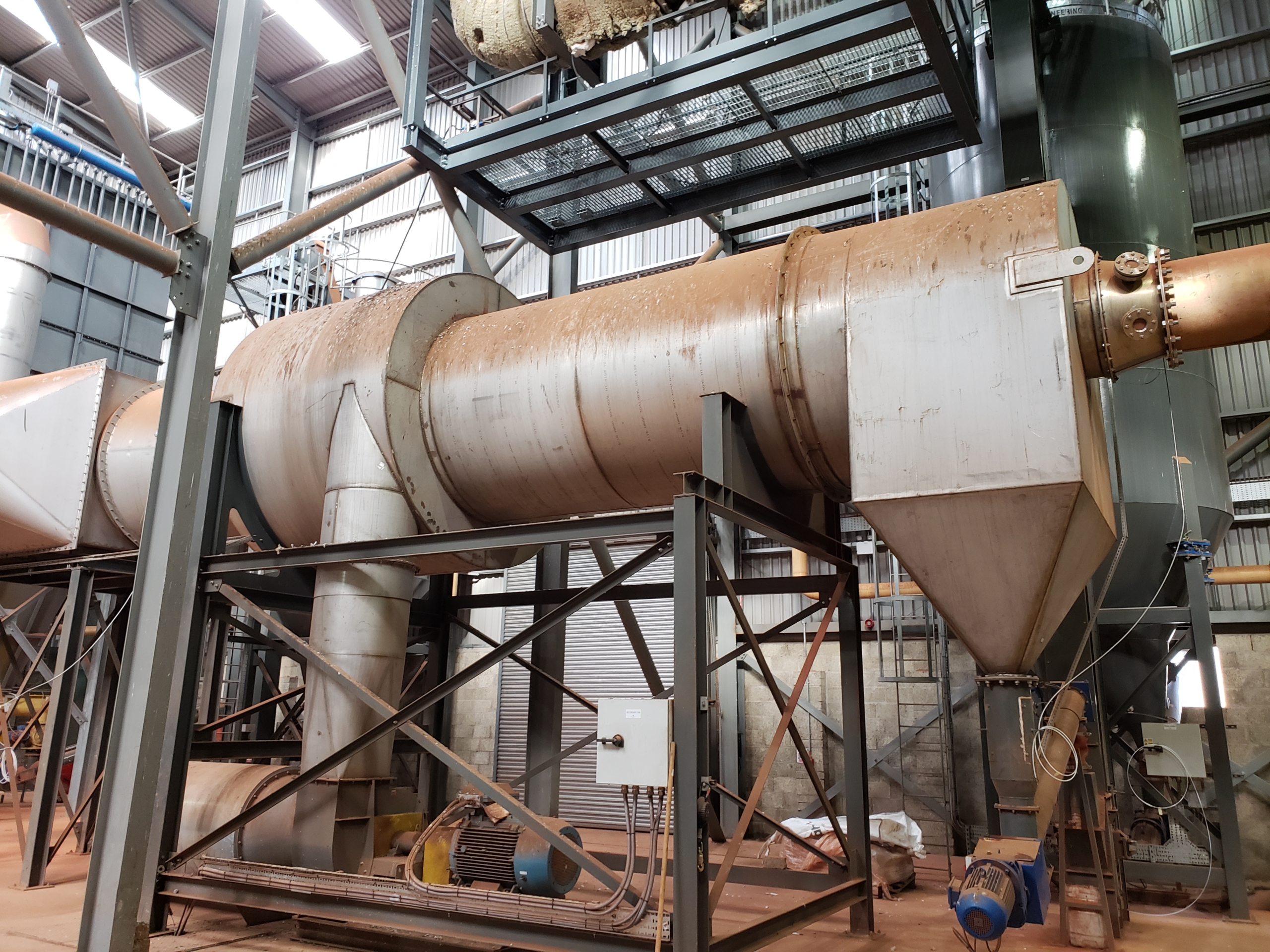
Dust Collection Systems Maintenance: The Cyclones and Filter Collectors | Aerodyne
Dust collection systems pick up dust generated by process equipment and move it away for disposal or to be recycled. They use hoods to gather the air around the dust generation equipment. The dusty air is then sent to the dust collection equipment through ductwork. The dust collection equipment often consists of a pre-filter to help collect the dust followed by the main dust collector. An exhaust fan is often at the end and it powers the system by pulling the air through each of these components.
The Important of Ductwork in Dust Collection System | Aerodyne
Dust collection systems pick up dust generated by process equipment and move it away for disposal or to be recycled. They use hoods to gather the air around the dust generation equipment. The dusty air is then sent to the dust collection equipment through ductwork. The dust collection equipment often consists of a pre-filter to help collect the dust followed by the main dust collector. An exhaust fan is often at the end and it powers the system by pulling the air through each of these components.
High Temperatures Are No Problem for Cyclonic Dust Collector | Aerodyne
A manufacturer of grinding wheels in Niagara Falls, N.Y., needed to replace an existing dust collector used to collect dust coming off a rotary kiln. Initially, a bag house collector was considered to be the obvious solution. However, because the problem involved high temperatures – 700° F and above – specific efficiency requirements, moisture content problems, and future maintenance issues, the purchase of an Aerodyne SplitStream grinding dust collector was justified.
Questions to Ask When Evaluating Dust Collection System | Aerodyne
We all know that if we don’t regularly maintain our cars, we will end up having issues in the future. If we forget to change the oil, change the brakes or get a tune up, it will eventually catch up to us. Why do we think our dust collection system is any different? Dust collectors are made of various pieces, all of which have to be operating correctly for the system to operate as desired. Usually, a dust collection system consists of the dust collector, exhaust fan, ductwork, and hoods/pickup points. Additional accessories such as airlocks, controls, instrumentation, and dampers all can affect the operation of the system.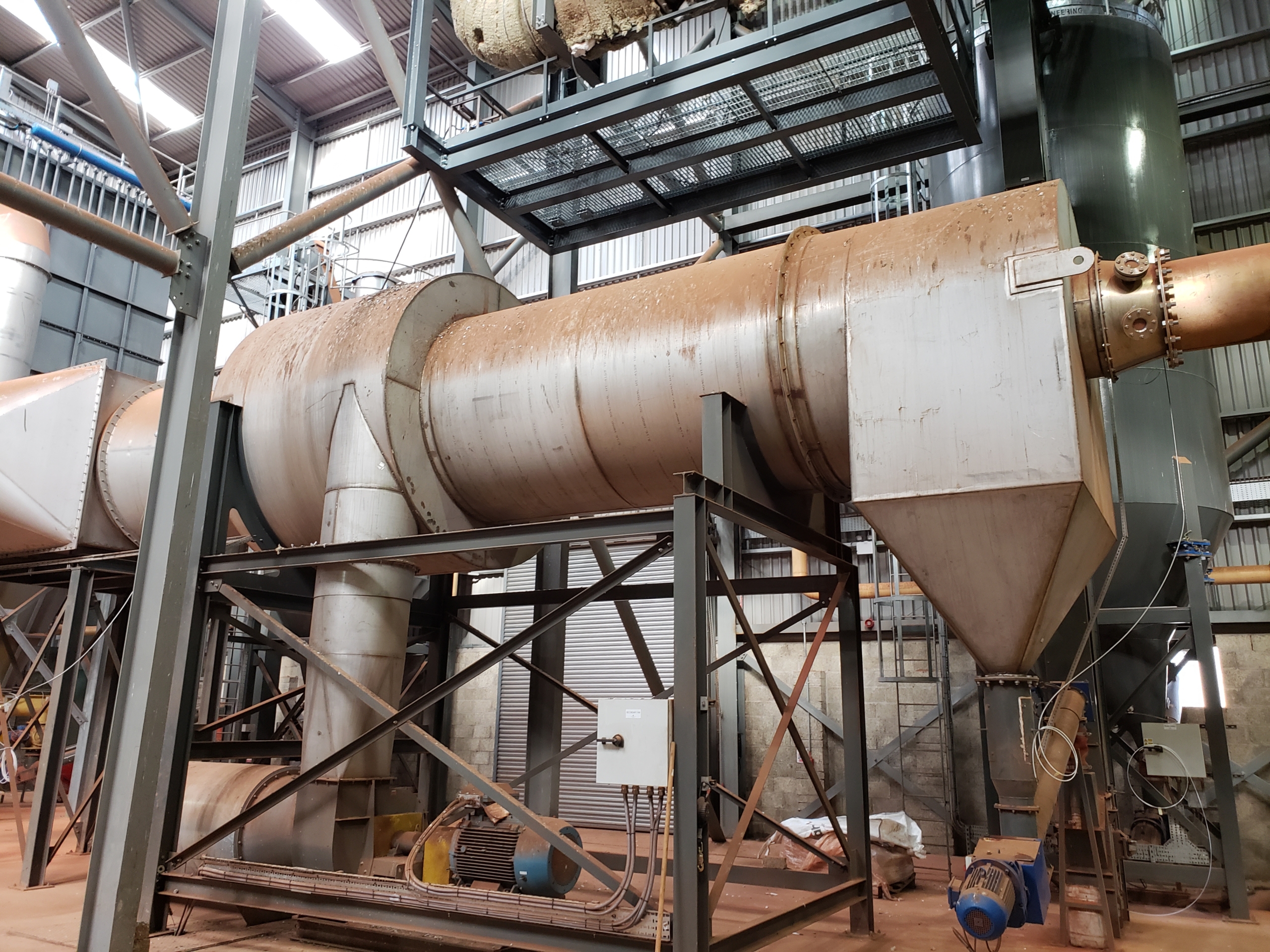
Wet Scrubbers Allow for Easier Collection and Removal of Certain Materials | Aerodyne
Wet scrubbers are used in dust collection for a variety of reasons. One of the main reasons is allowing for easier collection and removal of certain materials.
Wet Scrubbers Can Help Prevent Some Fires and Explosions | Aerodyne
Wet scrubbers are used in dust collection for a variety of reasons. One of the reasons is to help prevent fires and explosions.