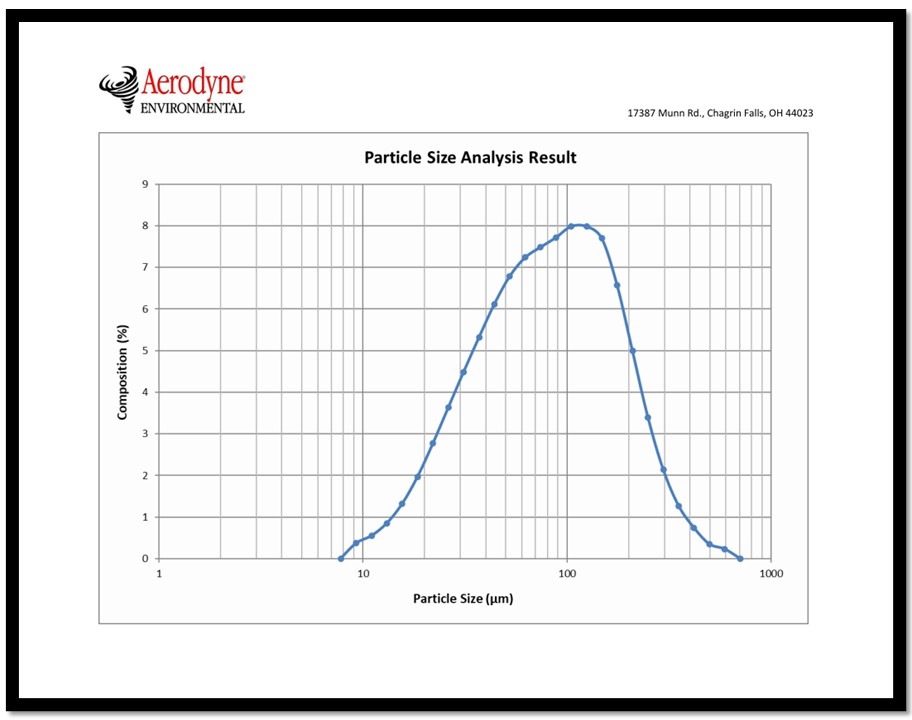
One of the issues when figuring out if your dust is explosive is the particle size of the dust and the location where you are assessing the dust. Material that consists of very large particles sizes (larger than 500 micron) tend not to be explosive. While larger particles can catch fire, they tend to prevent explosions. However, this might not be as straight forward as you think.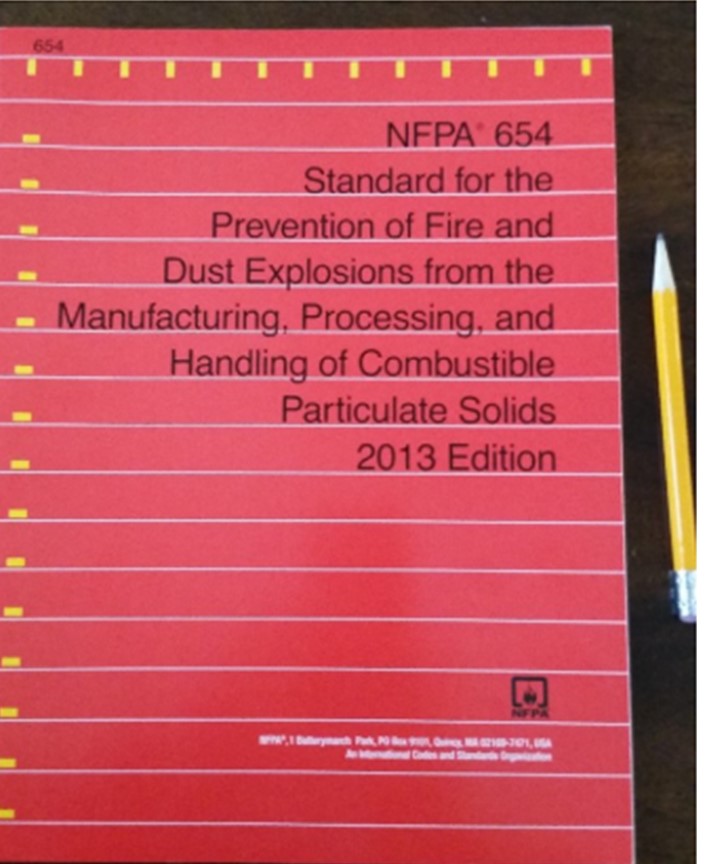
Posts about Dust Collection System (2):
Plan Your Parts and Inspections Before Plant Shutdowns | Aerodyne
Now that it is spring, it’s time to start thinking about summer shut down! If you are planning on doing maintenance on your dust collection system now is the time to order your parts.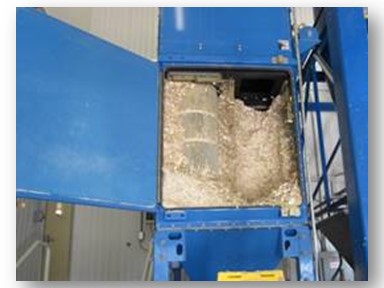
Accessories to Consider with Your Dust Collection System | Aerodyne
Dust collectors have multiple accessories that can be used to help optimize the system. Some are used to protect the system, some are used to monitor the system, and some are used to make the system operate smoothly. The following blog is a quick description of a few of them.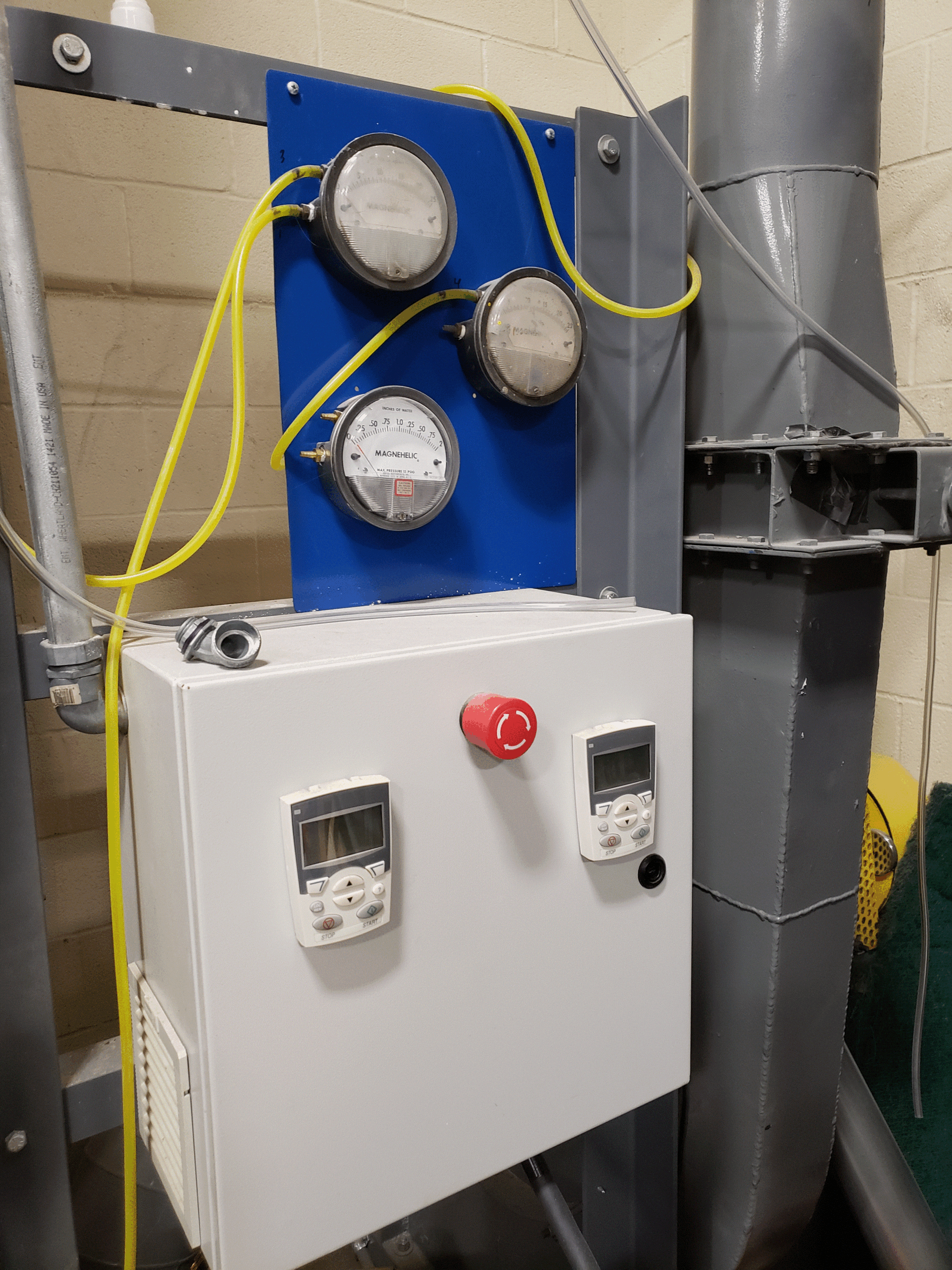
The Importance of a Proper Hood | Aerodyne
A dust collection system consists of four major components. The pickup hood, ductwork, dust collector, and exhaust fan. For the system to operate efficiently all four components much be sized and used correctly. Unfortunately, one of the main components (the hood) is often overlooked. The hood design is crucial for the operation of the dust collector system. And without the proper hood design, your dust collector will not provide the dust pickup required for the safety of the equipment and workers.
How Vibrators Can Help Hopper Flow? | Aerodyne
Dust collectors have hoppers under the collection chambers to channel the dust out of the system for use or disposal. The hoppers are not designed to be used to collect and store the material, but rather as a place for the material to temporarily collect before passing through the airlock and out of the system. 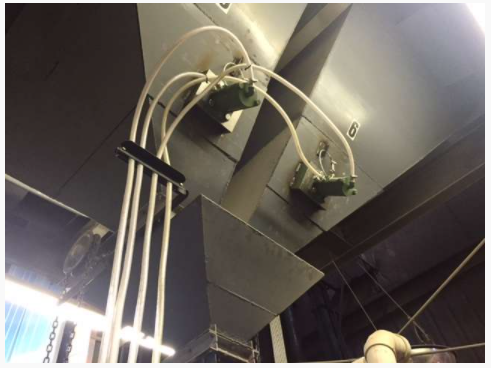
What’s the Best Method for Designing a Balanced System? | Aerodyne
When you are designing your ductwork, there are two ways you can do it. 1) You can use dampers to control the airflow at each pickup and balance the system or 2) You can balance by design which means the ductwork is designed so that the proper airflow goes through each pickup without the need to install dampers. There are positives and negatives with both. The following will go over them.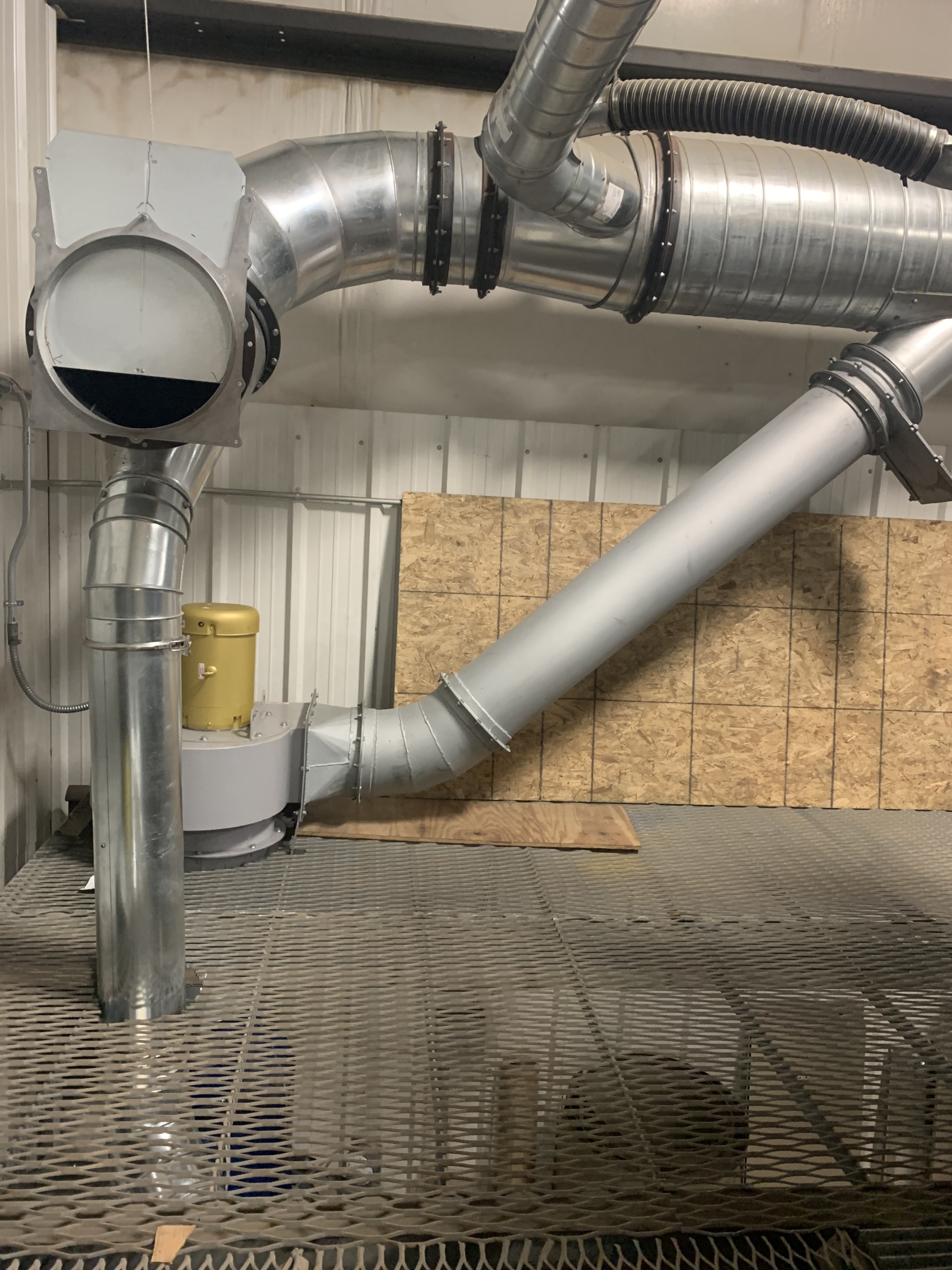
Should I Test My Dust for Explosibility? | Aerodyne
This is one of the most important questions you can ask. The answer to this question can require you to invest in expensive protection equipment or not, but that is much better than the loss of thousands of dollars in equipment, production time, and most importantly, employee safety. There are a few ways to answer this question. Some of which are safer than others. The main question you will need to ask yourself, is the dust combustible?
Pneumatic vs Motorized Double Dump Valves | Aerodyne
Double dump valves are available in both motorized and pneumatic actuation. To figure out which would be better for you we need to consider your application. A double dump valve is really two (2) valves with flapper plates in series controlled by the same mechanism. At least one of the flapper plates is closed at all time. The main things we need to know are the pressure, temperature, and flow rates along with the area classification the double dump valve will go in.
How Do I Extend the Life of My Filters? | Aerodyne
Dust collection filters such as the bags in baghouses, cartridges in cartridge collectors, and HEPA filters all filter out dust particles by collecting them in between their fibers. Dust builds up on the bags and cartridges to form a filter cake over the filter further restricting the ability of dust particles and airflow to pass through the filter. This restricting of airflow causes a pressure drop (resistance) which is directly related to the amount of dust built up on the filters. As the pressure drop increases, the airflow through the collector will decrease. Most baghouses and cartridge collectors have cleaning cycles which remove some of the dust from the filters keeping the pressure drop low.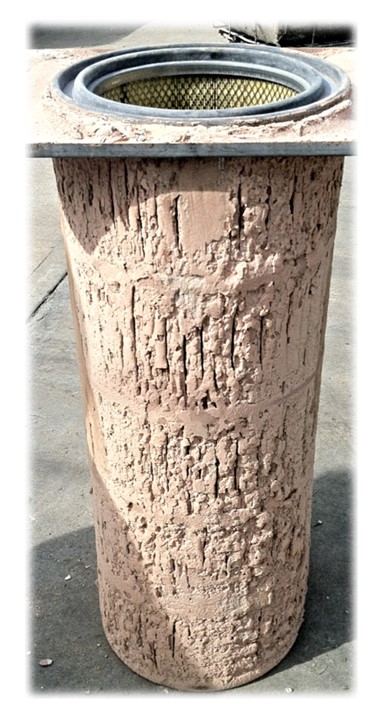
Particle Size Helps in Selecting Dust Collector | Aerodyne
In dust collection one of the most important dust characteristics to define is the particle size of the dust. The larger the dust the easier it is to capture. While the smaller the dust particle the harder it is to capture and remove from the airflow. This applies to both heavy and light particles. What this means is that in order to accurately predict your removal efficiency, you need to know the particle size distribution.