The airflow in dust collection systems is crucial to the proper operation of the system. The dust collection system consists of the hood/pickup points, ductwork, dust collector(s) and exhaust fan. The hood/pickup points are designed to capture the dust. This design requires a range of airflows to properly work. If too little airflow is going through the hood, dust will escape from the hood. If too much air is going through the hood, the system can capture material it isn’t supposed to (example picking up product from the conveyor belt, not just dust lingering over the belt in the air).
Posts about Horizontal Cyclone (2):
Should I Test My Dust for Explosibility? | Aerodyne
This is one of the most important questions you can ask. The answer to this question can require you to invest in expensive protection equipment or not, but that is much better than the loss of thousands of dollars in equipment, production time, and most importantly, employee safety. There are a few ways to answer this question. Some of which are safer than others. The main question you will need to ask yourself, is the dust combustible?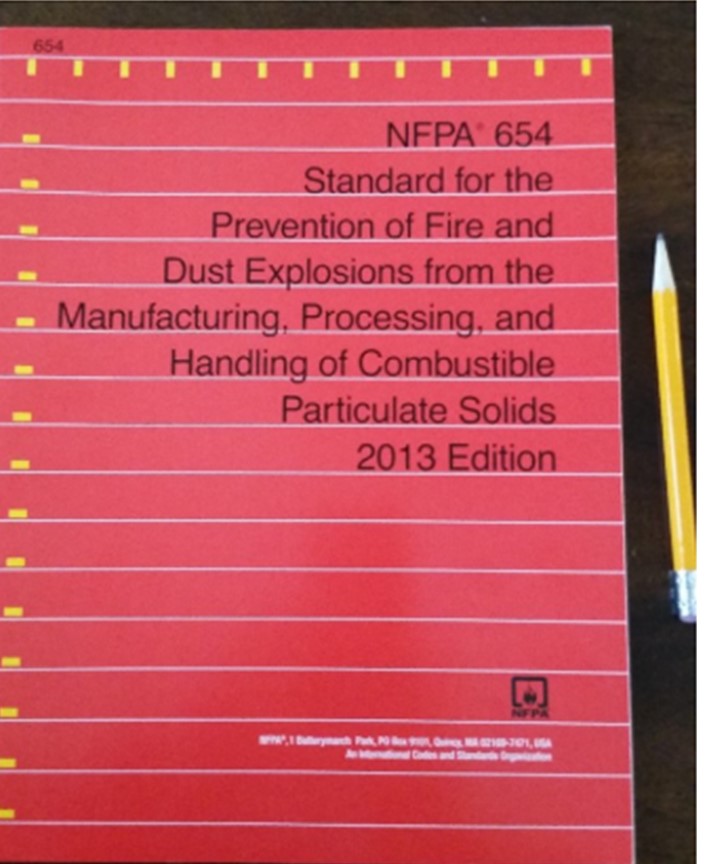
5 Key Questions to Ask Before Choosing a Cyclone Dust Collector
Designing a dust collection system can be quite a daunting task. With so many collector options and so many application variables to consider, it is difficult to know where to begin. Cyclones are among the oldest and still most reliable methods of dust collection available. Because they require very little maintenance, have low up-front cost, and offer unmatched versatility, cyclone collectors remain a viable solution to many air-handling challenges. Although heightened environmental regulations and collection efficiency needs have shifted industry toward the use of filter-media collectors, cyclonic dust collection still plays a vital role in many air-handling systems. These five questions will help determine if a cyclone dust collector is right for your application.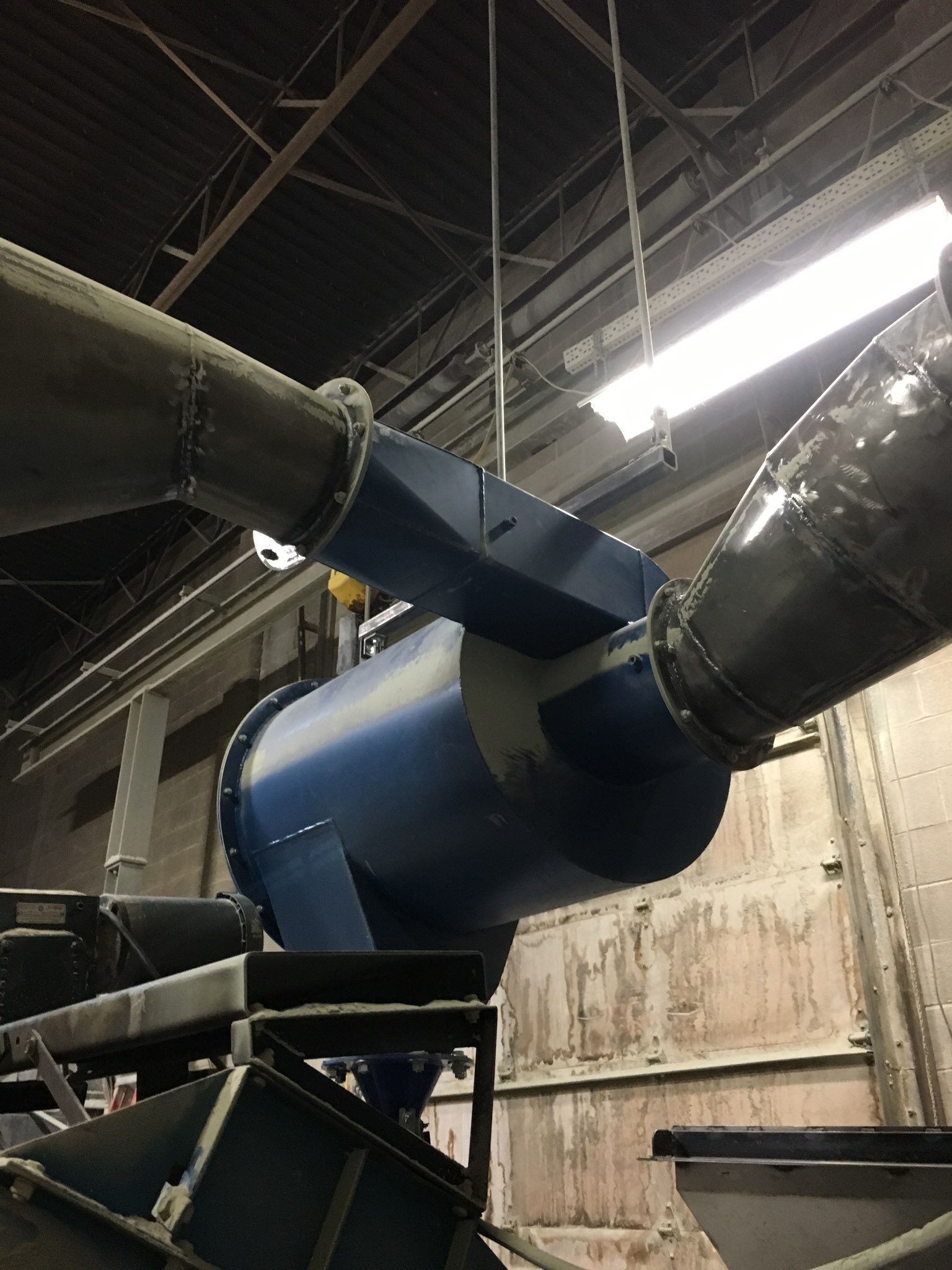
Proper Placement of Your Dust Collector Depends on the Job | Aerodyne
Dust collectors can be used for a variety of reasons. Some dust collectors are placed around applications that create dust such as saws, grinders, lathes, etc. The dust collector system is used to pull air from the area producing the dust via a hood and through some ductwork until it gets to the dust collector. The dust collector then separates the dust from the air.
Compact Cyclone Perks Up Coffee Roasters | Aerodyne
A prominent coffee bean roaster is planning on building a new roasting facility in New Jersey. The head engineer contacted Aerodyne about trying to find equipment that could separate the coffee beans as they are pneumatically conveyed from one portion of the facility to the other. The engineer specified that the problem the facility was facing was space.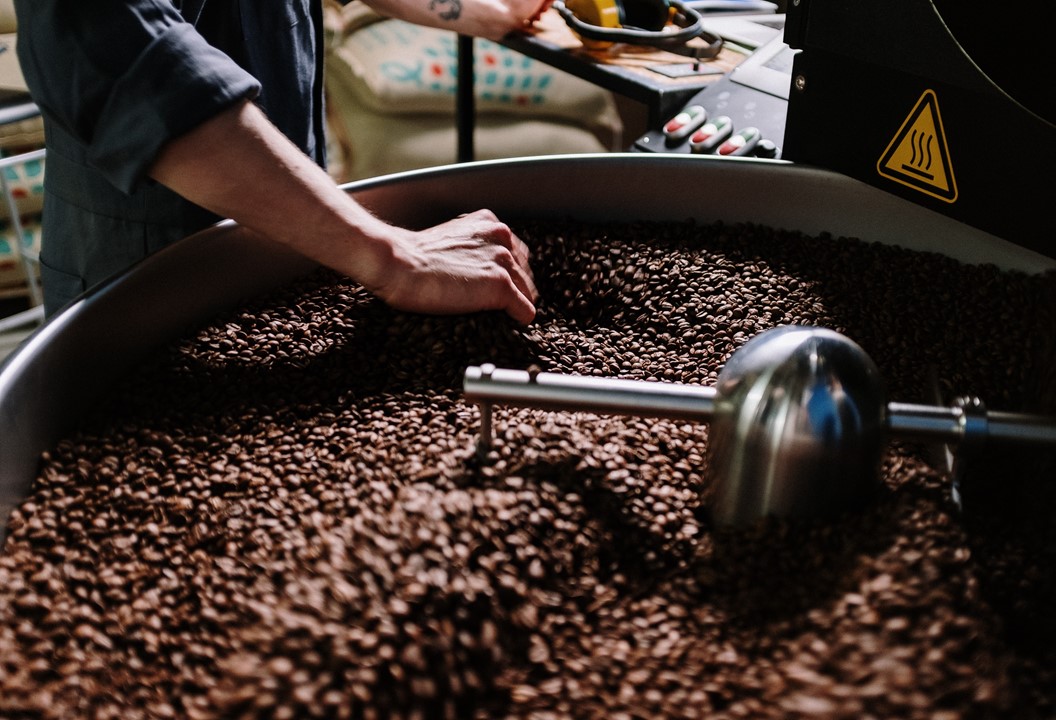
Particle Size Helps in Selecting Dust Collector | Aerodyne
In dust collection one of the most important dust characteristics to define is the particle size of the dust. The larger the dust the easier it is to capture. While the smaller the dust particle the harder it is to capture and remove from the airflow. This applies to both heavy and light particles. What this means is that in order to accurately predict your removal efficiency, you need to know the particle size distribution.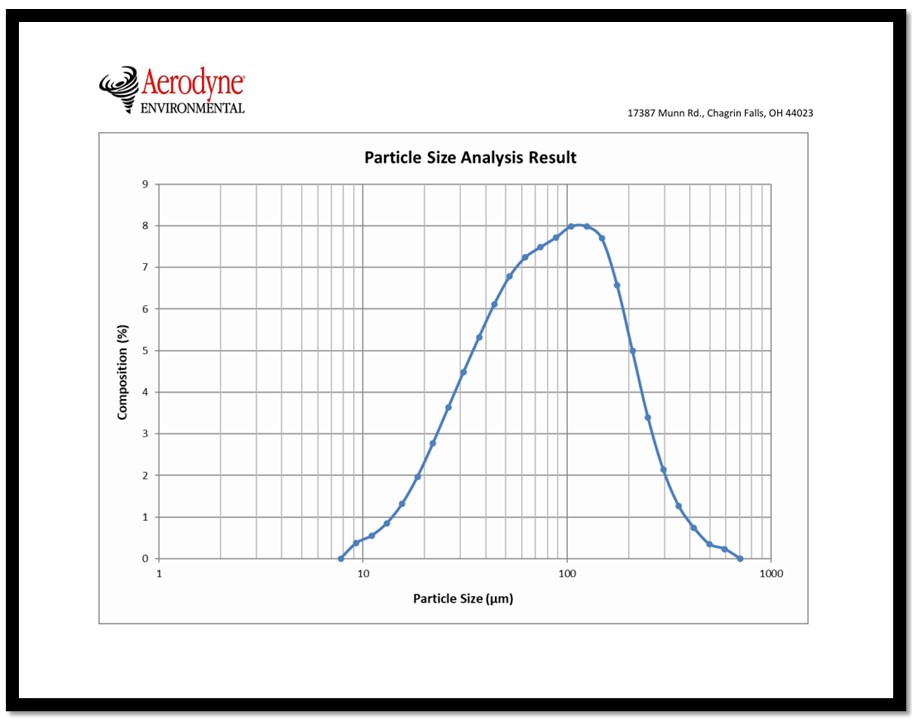
How To Determine the Cost of a Cyclone – Part 5 | Aerodyne
When selecting the cyclone for a dust collection process, there are different factors affecting sizing and cost of the cyclone. The cyclone should be sized to compliment the airflow of the system and the required dust removal efficiency. Process conditions will dictate suitable materials of construction as well as any special design requirements.
Dust Collection System: Confined Space Entry | Aerodyne
Cyclone maintenance can often be challenging and time-consuming. Traditional vertical cyclones are typically very tall and feature long, sloping hoppers, which makes accessing internal components for inspection, cleaning, or repairs difficult and sometimes unsafe. In many installations, the confined workspace around the cyclone further complicates maintenance, often necessitating the use of specialized tools or hardware to reach and clean areas that are otherwise inaccessible.
Horizontal Cyclones: Solutions for Space Limitation | Aerodyne
If you are like many plant engineers who are working within the confines of a limited work space, rest assured that you don’t need to compromise on the efficiency of your industrial dust collection system. A traditional, high-efficiency cyclone is not the best solution for facilities with low ceilings.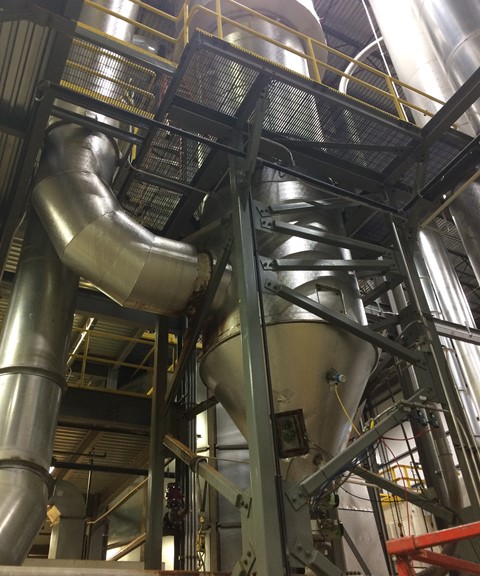
Why You Need Space Saving Pre-filter Cyclones | Aerodyne
As regulations to minimize dust emissions became more stringent, the reliance on filter media became more prevalent. This means baghouses and cartridge collectors have become the most common dust collectors around.