Baghouses and cartridge collectors are usually designed to handle a maximum of 6” Water Column (W.C.) of pressure drop. This means that when the baghouse pressure drop is 6” W.C., the airflow through the system is enough for proper operation. When the pressure drop across the bags is greater than 6” W.C., the airflow through the system is less than it should be. The baghouse uses a control system to keep the pressure drop through the system less than 6” W.C. Most baghouses use compressed air to clean the bags, but shaking and sonic cleaners are also used.
Posts about Dust Collection System (6):
Importance of dust collection system checkups
Dust collections systems are complex entities. They consist of multiple pieces of equipment, and if one of them is not operating correctly, could cause the failure of the whole system. All dust collection systems consist of the dust collector (cyclone, baghouse, cartridge collector, wet scrubber), exhaust fan, ductwork and hood/pickup points. Each of these is extremely important to the operation of the system.
High Differential Pressure: 6 Warning Signs your Baghouse or Cartridge Collector Might Fail
Baghouses and cartridge collectors are usually designed to handle a maximum of 6” W.C. of pressure drop. When the baghouse pressure drop is 6” W.C., the airflow through the system is enough for proper operation. When the pressure drop across the bags is greater than 6” W.C., the airflow through the system is less than it should be. The baghouse uses a control system to keep the pressure drop through the system to less than 6” W.C. Most baghouses use compressed air to clean the bags, but shaking and sonic cleaners are also used.
It’s a New Year…Have You Checked Your Dust Collector??
A simple dust collection system is composed of the exhaust fan, dust collector (cyclone, baghouse, cartridge collector, wet scrubber, etc.), ductwork, and hoods. An issue with one of these components could cause your dust collection system to fail or not work as designed. However, the dust collector is usually the most complex component and the most likely to develop issues, but is often the most neglected. Just like an automobile, proper maintenance of a dust collector could save a whole lot of issues in the future.
Why Do I Need an Airlock Valve for My Dust Collector
In order for a dust collector to operate at its peak performance, the hopper has to be isolated from the outside. This means either the dust bin/receptacle is “hard connected”, meaning there are no air leaks or an airlock is used. An airlock isolates the dust collector hopper from the outside, while allowing the collected dust to exit the system. Common airlocks are rotary valves, trickle valves, double dump valves, and knife gates. Some airlocks are low leakage (double dump valve and trickle valves) while others have continuous leakage (rotary valves).
Why You Should Pay Attention to Air Velocity in Your Dust Collection System
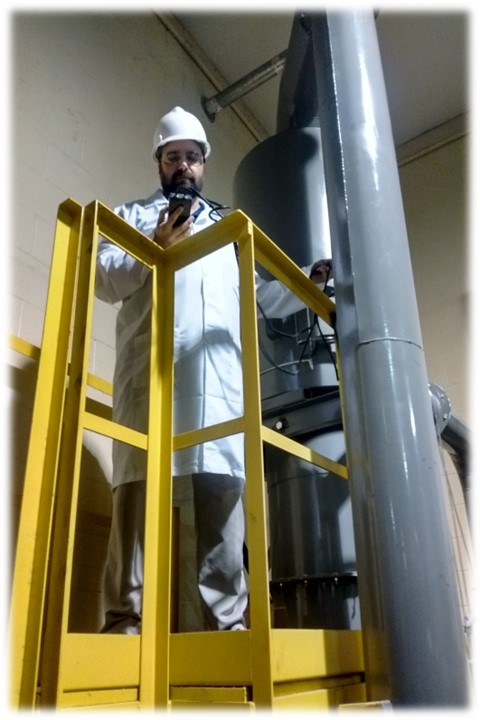 If your air velocity is too low in your ductwork you could get dust dropping out in straight runs. And dust collecting in ductwork is not a very good idea.
Hoods – A Vital Component in a Dust Collection System
Hoods are probably most important component in a dust collection system because they will:
Dust Collection Systems: Product Recovery and Cyclone Pre-filters
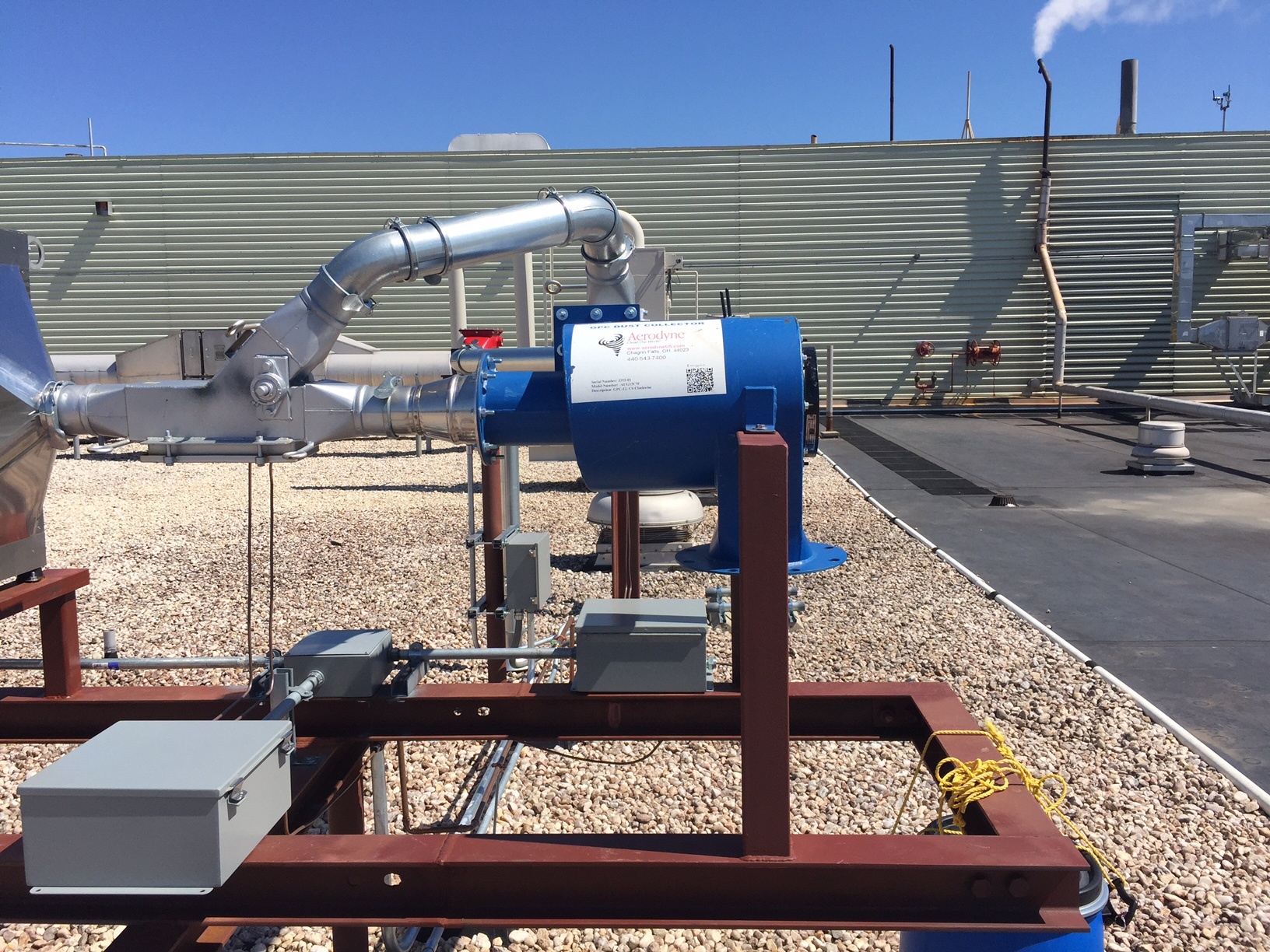 If you are working with a high value material or product, then you should investigate using a cyclone ahead of your baghouse or cartridge collector. The cyclone will allow you to recover the dust without contamination from the filters. The filters in a baghouse or cartridge collector use a dust layer built up on the filters to collect the dust from the airstream. During the process of filter cleaning, dust from this layer is dislodged and falls into the hopper. Any particulate from prior batches can cause contamination of the dust.
Aerodyne At Ceramics Expo 2017

Now in its third year, Ceramics Expo is the world’s largest annual free-to-attend expo for the advanced ceramic and glass community.
Dust Collection Systems: Dust Hazard Analysis (DHA) and NFPA 652
With the release of NFPA 652 and 654, manufacturers that create dust in their processes are required to conduct a Dust Hazard Analysis if the dust is explosive. NFPA 652 requires this to be done by 9/7/2018 but NFPA 654 has extended it 5 years. The Dust Hazard Analysis is retroactive, so all manufacturers are required, no one is grandfathered in.