Airlocks are required in order for dust collectors to operate correctly. When a dust collector is under positive pressure, the airlock prevents air and collected material from blowing out of the dust discharge flange. A lack of airlock will cause dust to be thrown into surrounding areas and pile up on the floor and other surfaces.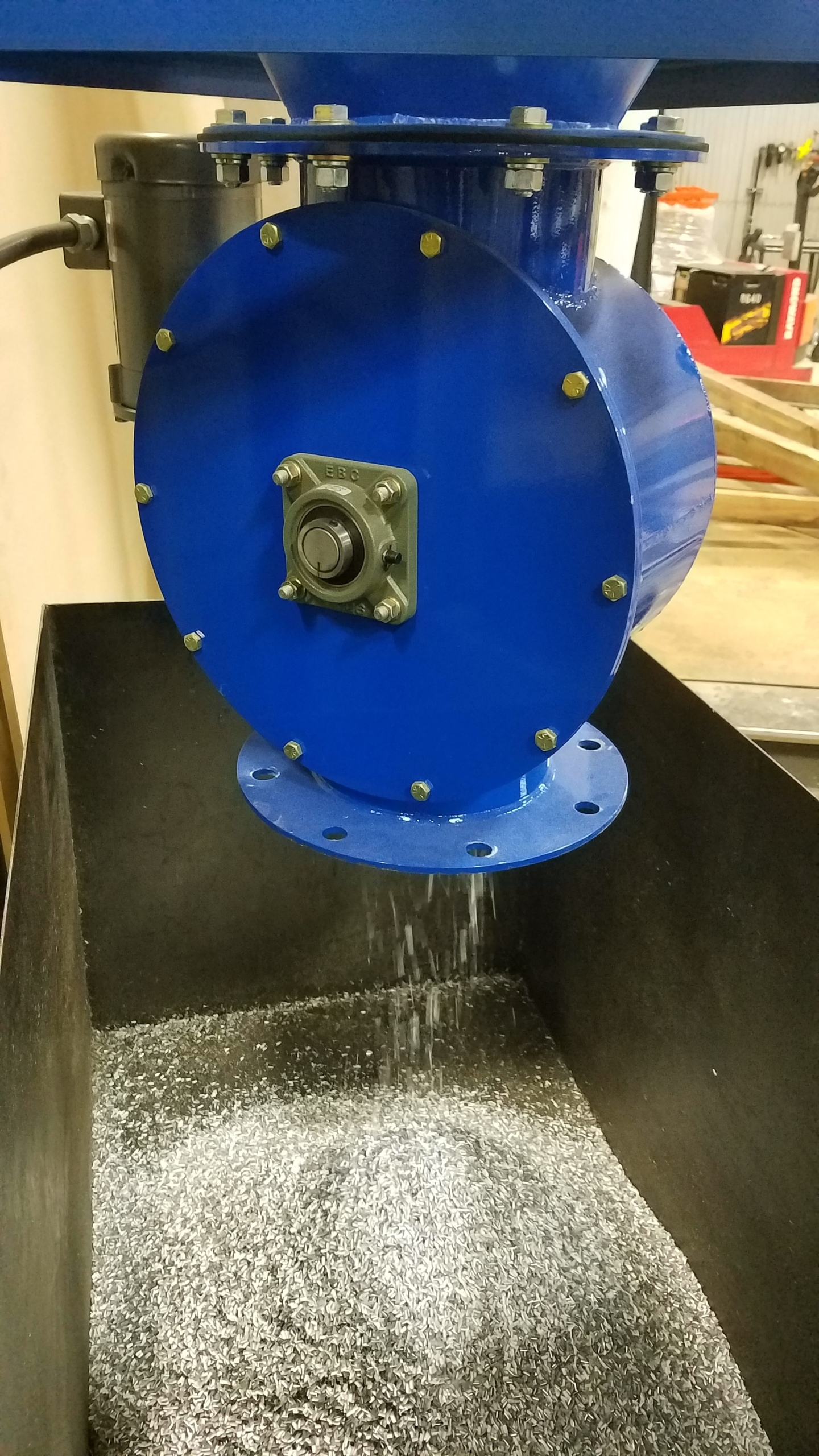
Posts about Airlock Valves (2):
Why Does My Airlock Jam and What Can I Do About It? | Aerodyne
Rotary valves will occasionally jam. This can happen when material gets between the rotor and the housing or when oversized material cannot fit into the rotary valve pockets. Depending on the type of jamming that is happening you handle the situation differently.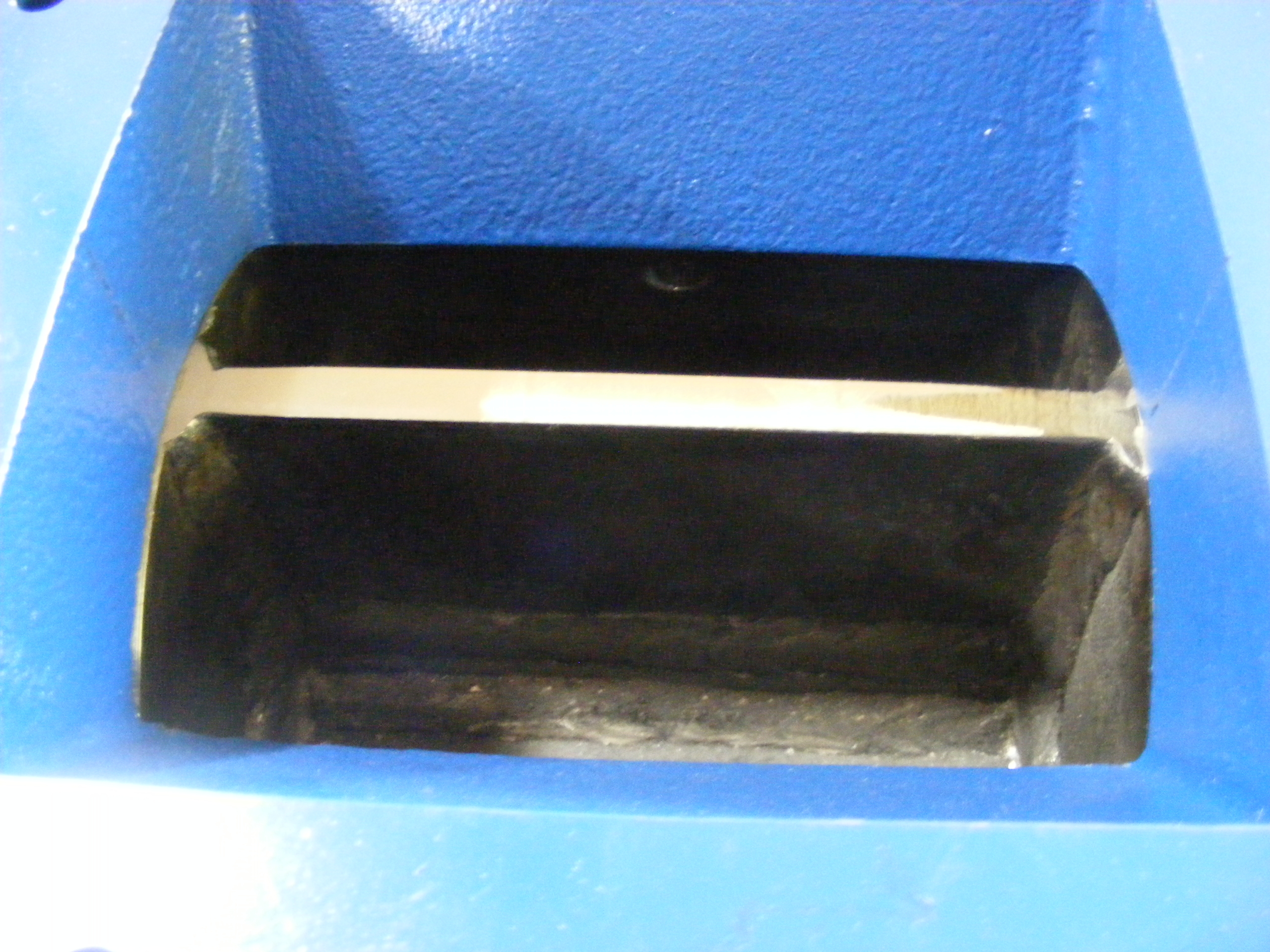
Pneumatic vs Motorized Double Dump Valves | Aerodyne
Double dump valves are available in both motorized and pneumatic actuation. To figure out which would be better for you we need to consider your application. A double dump valve is really two (2) valves with flapper plates in series controlled by the same mechanism. At least one of the flapper plates is closed at all time. The main things we need to know are the pressure, temperature, and flow rates along with the area classification the double dump valve will go in.
Why Are Airlocks Needed? | Aerodyne
All dry dust collectors have a hopper which temporarily collects the dust while it is moved out of the system. The hopper usually has a flanged outlet on bottom which allows the dust to fall outside of the dust collector vessel. When you are deciding what to put under the hopper it is important to make sure that air doesn’t flow out of or into the opening while still allowing the dust to empty from the hopper. An airlock (discharge valve) is used to prevent this.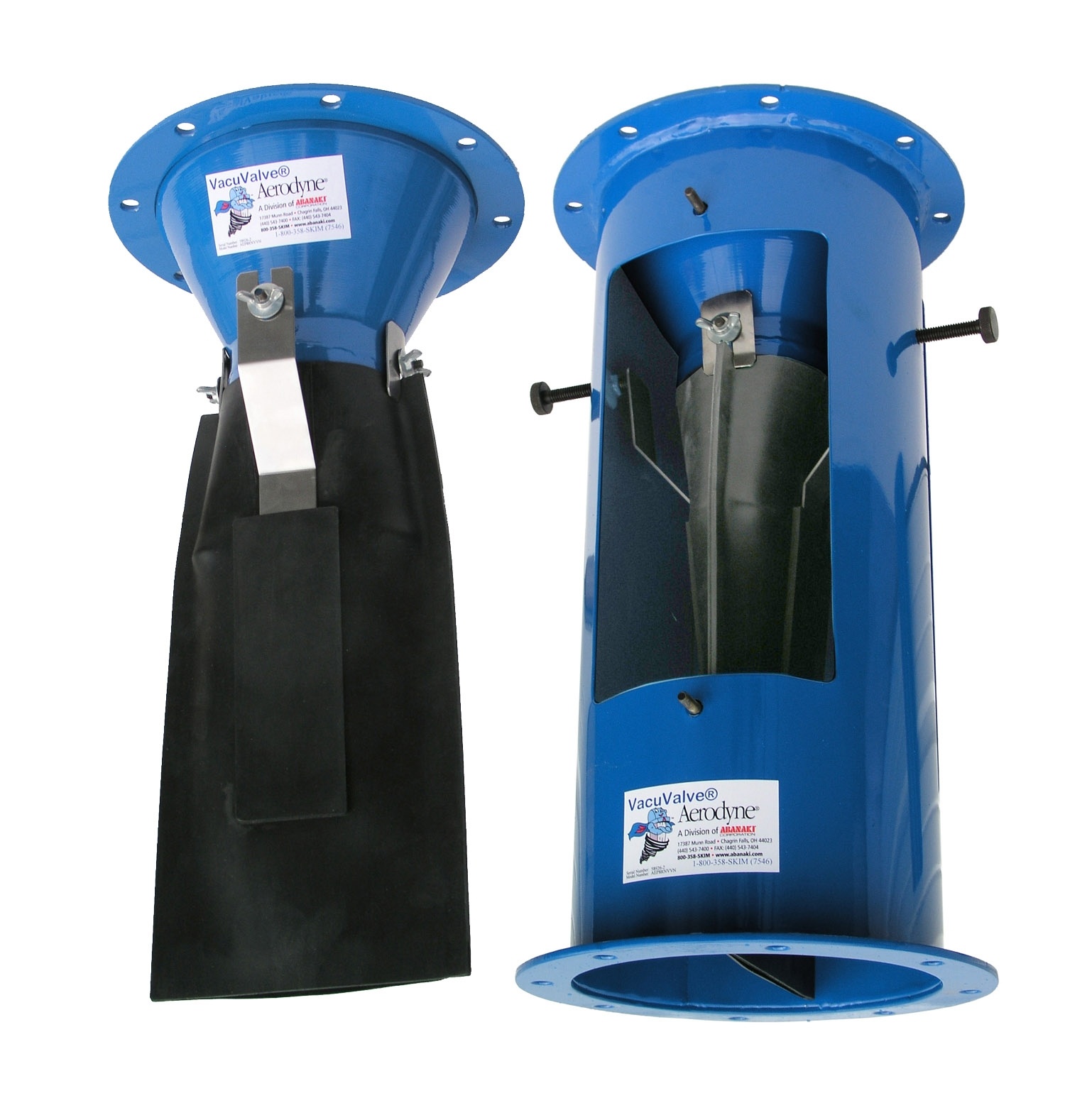
Rectangular Airlocks: The Better Rotary Valves | Aerodyne
Dust collectors can have issues with material bridging in the hopper.
Aerodyne Vacu-Valve ® vs. Traditional Rotary Valve | Aerodyne
 Do the rotary valves under your dust collectors cause maintenance headaches? Are they clogging? Are you having to drop everything and assign extra labor to fix them?
Aerodyne Vacu-Valve ® vs. Traditional Rotary Valve | Aerodyne
Do the rotary valves under your dust collectors cause maintenance headaches? Are they clogging? Are you having to drop everything and assign extra labor to fix them?
Level Switches in Dust Collector Hoppers | Aerodyne
As maintenance staffs become smaller and have less time to do preventative maintenance, technology needs to step in and help.
Un-powered Valve Saves Initial Cost and Operating Costs over Rotary Airlock Valve
Look under almost any dust collector and you will see a rotary airlock valve spinning its rotor and emptying the collected contents from the hopper. These valves have long been used to maintain a seal in vacuum dust collection systems while simultaneously providing an escape route for the dust. The advantages of a rotary airlock for dust collectors include, automatic hopper emptying, minimal vacuum pressure loss, and the many options available to meet specific application needs. Rotary valves can be custom fit to handle high temperatures, harsh chemical environments, and abrasive materials. Rotary valves do however, have a few major drawbacks.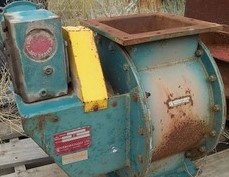
Ensure Dust Collection System Efficiency by Maintaining Air Valves
For dust collection systems to operate as they are designed, baghouse and cartridge collector filters need to be regularly cleaned. Many systems employ compressed air for this purpose, periodically sending blasts of air through the filters which effectively removes particulate matter from them. The frequency of these cleaning cycles can be controlled by various methods, such as a pressure drop monitor that allows for detection of a filter that is beginning to clog, or with a simple timer. Air flow is typically controlled with the use of a solenoid operated diaphragm valve.