Updated: 4/27/2026
CAMPBELL, CA – June 9, 2025 – DispatchTrack, the global leader in last mile delivery and service execution technology, is proud to announce its partnership with ServeCo North America, bringing a new level of visibility, speed, and consistency to furniture care and repair services.
“Just in time” versus “just in case” feels like a tale as old as time as far the supply chain is concerned. In fact, the debate is only about 50 years old at this point. What began as a waste reduction method at Toyota in the era where Japanese car manufacturers were striving to compete with the American auto industry has really taken on a life of its own. So much so, in fact, that “just in time” is probably one of the only supply chain concepts that have entered daily parlance outside the logistics industry.

When people think of third party delivery platforms, they might be thinking mostly of food delivery services like ChowNow and UberEats. However, delivery businesses that deal with big and bulky items like building supplies or furniture know that there’s a whole other ecosystem out there for more complex last mile deliveries. This includes platforms RXO, Metro, Toolbox, OneRail, and even Uber itself that are designed to help businesses cover part or all of the last mile logistics journey.

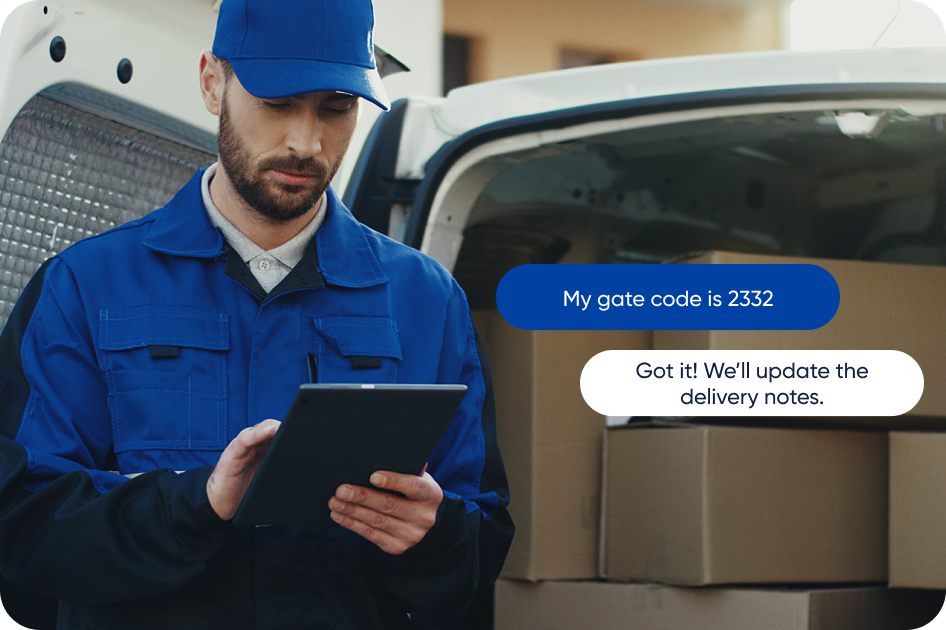
The pace of announcements about AI in logistics is only going to keep accelerating. Recently it was Uber Freight’s AI-powered TMS garnering headlines and Gartner’s prediction that AI agents could take over half of logistics tasks in the next five years; next week it will be something else entirely.

Let’s talk for a minute about the “7 r’s of logistics”: getting the right product, to the right customer, in the right quantity, in the right condition, to the right place, at right time, for the right cost. That’s the heart of the outbound logistics process in a nutshell—but anyone who’s been involved in any part of the supply chain can tell you that ticking all 7 boxes consistently is no mean feat.

If you can’t fulfill all of your delivery orders with the fleet capacity that you currently have, then you must be doing something right. At the very least, you’re drumming up business, keeping your customers engaged, and working to handle the very real demand you’ve created for your product or service.