
Cybercriminals are making serious bank in 2021. Some recent ransomware payments include:
Cybercriminals are making serious bank in 2021. Some recent ransomware payments include:

Ransomware has been an ongoing cyber risk over the past years. Instead of becoming less prevalent and replaced with different attack vectors, it has evolved, adapted, and become more sophisticated and frequent. Since the start of 2021, the point of attack has sharpened its focus. Ransomware is now about creating a compromise and subsequent operational disruption. The more hackers can interfere with day-to-day business operations, the more likely they will collect ransom. Attacks can now generally be broken down into three subcategories: Phishing attacks, Network Edge Vulnerability, and Remote Desktop Protocol. As of today, these are the three most dangerous threats to your infrastructure.

Axio CEO and co-founder Dave White was interviewed in this article for Quartz in response to 2021’s rapidly increasing number of cyber-attacks. White heavily stresses the importance of organizational due diligence when selecting management tools that are connected online: “We’re more and more reliant on internet-connected management tools…These tools have tremendous power and rights inside our network. Are we sure they’re sufficiently protected themselves?”

One of the ongoing debates amongst cybersecurity experts is whether or not victims should pay a ransom when attacked. Some argue for paying it, so as to minimize disruption in business service and potential data breaches. Others recommend holding out so as to disincentivize attackers from continuing this trend. The one constant is that without a defined action plan, ransomware attacks will continue to scale.
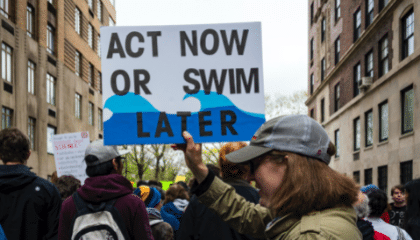
Boards and senior executive leaders, like the rest of us, are waking up every morning to news of another devastating ransomware attack. It’s obvious the ransomware climate is constantly changing but many are wondering how the specific changes will affect their business. Last week we hosted a webinar reflecting on the new and critical changes in the world of ransomware risk.

The recent Colonial Pipeline attack was a national wake up call about the physical consequences of a ransomware attack. Hackers successfully held Colonial’s billing systems hostage, resulting in the inability for the company to deliver 45% of the nation’s fuel. Cyber events like a ransomware attack are becoming more frequent, and an issue of national security. Board members in particular are losing sleep, trying to understand the true impact and consequences of a ransomware attack if it happens. It’s possible to be better prepared and sleep well at night. We’ve helped many corporate boards gain this level of understanding. This article shares 5 important things board members should know about ransomware risk.
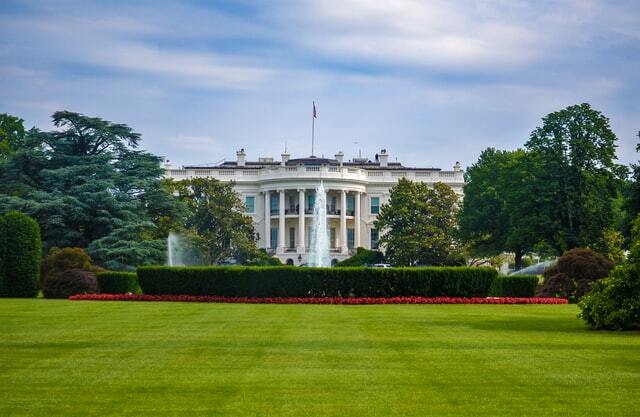
Last week, President Biden and his administration issued a memo urging business leaders to immediately take action to prepare for future ransomware attacks. This comes in light of the numerous disruptions on American infrastructure, most notably the shutdown of the Colonial Pipeline. Millions of US citizens were impacted and the panic of looming fuel shortages across the eastern seaboard was impossible to ignore. Fortunately, the pipeline’s operation was restored quickly. While the event has not significantly affected gas prices as of yet, it has demanded a response from the federal level. Cyber risk has become an issue of national security.

The food industry is one of the tenets on which U.S. society relies on for survival and has been generally considered safe from cyber-attacks. However, as the article by TheHill shows, the successful attack on the U.S.’s second largest producer of meat demonstrated both the country’s overwhelming reliance on an unsecured sector as well as its ongoing vulnerability. JBS SA was allegedly targeted by Russian hackers last weekend and were forced to shut down US operations. While JBS SA expects to resume services by the end of Wednesday, both beef and pork prices have already increased within the U.S.

Axio’s Dave White was interviewed for AP News in light of the JBS ransomware attack.

Energy pipelines are finally getting more respect and attention because of the Colonial Pipeline (CP) ransomware incident. We have been foreshadowing an event of this magnitude for several years. We have worked with many major energy suppliers to identify and model major risk events like the one suffered by CP as a basis for prioritizing their security and resilience investments. We are privileged to sustain trusted relationships with energy and utility organizations and trade associations, and we continue to unwaveringly stand by and support their complex cybersecurity needs. We have deep compassion for CP and we applaud the countless and heroic hours their team spent to restore operations.