axio - kn

test

Posts about Ransomware:

Prioritizing Ransomware Readiness for Critical Infrastructure

Prioritizing Ransomware Readiness for Critical Infrastructure

Cyber Risk Highlights in Critical Infrastructure Series-Part 4

Welcome back to our blog series on cyber risk highlights in critical infrastructure. Last week’s blog post discussed the increased capabilities of cybercriminals and explained how cyber physical disruption is possible through IT and OT interdependencies. This week, we discuss the importance of prioritizing ransomware readiness for critical infrastructure organizations.

Cybersecurity Insurance: A Dried-up Dream for Water Utilities?

Cybersecurity Insurance: A Dried-up Dream for Water Utilities?

Intro

In today’s cyber risk climate, water and wastewater utilities operators have discovered they are especially susceptible to cyber threats. The Oldsmar incident of 2021, in which hackers attempted to compromise the Florida town’s main water treatment plant, emphasized just how vulnerable this sector is. Such cyber-physical attacks on under-resourced critical infrastructure organizations have accelerated the growing need for cyber risk insurance. In 2021, insurers paid out significant claims due to ransomware attacks and are now requiring water utilities to meet more stringent cybersecurity requirements. Resources such as those made available by the American Water Works Association (AWWA), which assess the maturity of water and wastewater cybersecurity programs, can serve as a valuable first step for these organizations to build better cyber resilience despite underfunding or understaffing. When developing a cybersecurity program, a measured balance of technology and insurance is pivotal to success. In this article, we walk through the cyber insurance problems water utilities are currently facing, why it’s imperative these issues are addressed and discuss what actions will improve cyber insurability.

Nation State Actors Target Vulnerabilities in Critical Infrastructure

Nation State Actors Target Vulnerabilities in Critical Infrastructure

Conti Leaks Confirm Ransomware Gang’s Nation State Connection to Russia

In the past two years, the innovative and formidable Conti ransomware gang has wrought havoc across 1000+ US and international organizations, making themselves a mainstream name across the cybersecurity community. The group recently made headlines again with the infamous Conti leaks, which turned the tables back on the ransomware group, revealing thousands of internal messages as well as its “most prized possession of all,” the source code of its ransomware. The leaks are thought to be an act of retaliation against Conti’s pro-Russia stance following its invasion of Ukraine. Given this latest news regarding one of the most ruthless ransomware-as-a-service groups (RaaS), we wanted to look at its history of attacking critical infrastructure organizations across the globe and examine lessons in cybersecurity operations that all businesses, but especially critical infrastructure organizations, can take away.

49ers Sidelined by Ransomware Over Super Bowl Weekend

49ers Sidelined by Ransomware Over Super Bowl Weekend

This past weekend, an estimated 112 million tv viewers tuned in to the Super Bowl LVI. Fans watched as Dr. Dre, Snoop Dog, Mary J. Blige, and other performers took the stage for a celebrated halftime show and ultimately witnessed the L.A. Rams triumph over the Cincinnati Bengals. Meanwhile, across the state, NFC runners up to the Rams, the San Francisco 49ers, suffered another crushing loss. While many Americans sat at home watching Super Bowl ad after Super Bowl ad touting cryptocurrency, hackers sought payment via crypto by extorting the 49ers in a ransomware attack.  

How Can a Government Reinsurance Program Help Protect the US Electric System?

How Can a Government Reinsurance Program Help Protect the US Electric System?

Energy is the Lifeblood of Critical Infrastructure

Every U.S. industry relies on the nation’s infrastructure to function, whether it’s through direct operational dependencies or third-party supply chains. According to the Cybersecurity & Infrastructure Agency (CISA), “there are 16 critical infrastructure sectors whose assets, systems, and networks, whether physical or virtual, are considered so vital to the United States, that their incapacitation or destruction would have a debilitating effect on security, national economic security, national public health or safety, or any combination thereof.” The 16 critical infrastructure sectors are diverse, ranging from Manufacturing and Agriculture to Financial and Public Health—affecting all aspects of modern life. But, of note, the Energy sector is special.

5 Important Things Board Members Should Know About Ransomware Risk

5 Important Things Board Members Should Know About Ransomware Risk

The recent Colonial Pipeline attack was a national wake up call about the physical consequences of a ransomware attack. Hackers successfully held Colonial’s billing systems hostage, resulting in the inability for the company to deliver 45% of the nation’s fuel. Cyber events like a ransomware attack are becoming more frequent, and an issue of national security. Board members in particular are losing sleep, trying to understand the true impact and consequences of a ransomware attack if it happens. It’s possible to be better prepared and sleep well at night. We’ve helped many corporate boards gain this level of understanding. This article shares 5 important things board members should know about ransomware risk.

Announcing New Features To Our Free Ransomware Preparedness Assessment Tool

Announcing New Features To Our Free Ransomware Preparedness Assessment Tool

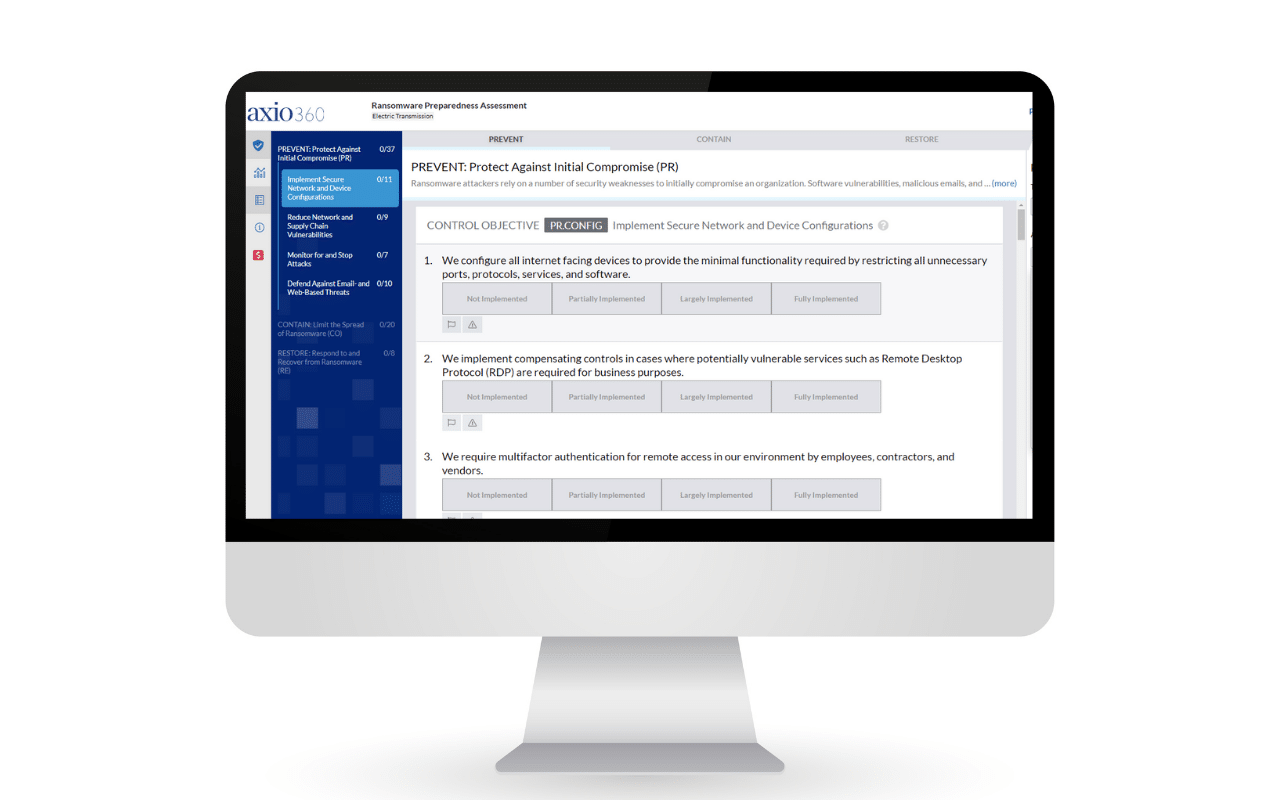
In light of recent cyber attacks at Colonial Pipeline and other critical infrastructur­e operators, we are releasing an updated version of our Ransomware Preparedness Assessment Tool with new features designed to help leaders illuminate the gaps in their cybersecurity posture that directly cause increased susceptibility to ransomware attacks. Users can leverage these insights within Axio360 to accurately quantify the financial damage that could occur to drive more comprehensive cyber risk management.