If you examine mold under a microscope, you’ll find surprisingly beautiful structures resembling flowers, branches, and intricate networks in a variety of colors. In nature, mold serves an essential purpose. As part of the fungi kingdom, mold helps break down dead organic matter, recycling nutrients back into the ecosystem. Without fungi, forests would become buried under fallen leaves and decaying trees, and the natural cycle of life would come to a halt.
What’s Unique About Sanoviv? Bringing Beauty Into Life
Sanoviv Medical Institute stands apart from traditional hospitals and wellness centers by intentionally creating a healing environment. Here, nature, beauty, thoughtful architecture, and a commitment to low-toxin living are seamlessly integrated. Located next to the Pacific Ocean in Rosarito Beach, Mexico, with views of Bahía de Descanso (The Bay of Rest), Sanoviv immerses guests in a distinctive blend of tranquility, natural beauty, and restorative wellness found nowhere else.
What are Macros? Understanding Carbohydrated, Fats, and Proteins
If you’ve ever heard someone say they’re “tracking their macros,” they’re referring to macronutrients—the three primary nutrients your body needs in large amounts to function properly: carbohydrates, fats, and proteins. Unlike micronutrients (vitamins and minerals), macros provide energy (calories) and serve as the body’s structural and functional building blocks. Macronutrients are far more than numbers. They are biological signals that influence hormones, inflammation, gut health, detoxification, and metabolic resilience.
Women’s Health in Midlife: Staying Strong and Balanced
For many women, the years between their mid-40s and mid-60s represent one of the most significant transitions of life. During this time, hormone levels shift, metabolism changes, and the body adapts to the end of reproductive cycles. Women’s health in midlife focuses on the well-being of women through menopause transition and beyond. It addresses the unique biological, hormonal, and lifestyle changes to support optimal health and vitality.
The Ultra-Processed Food Trap & Metabolic Meltdown
In a 2024 Sanoviv article, it was noted that 93% of American adults are metabolically unhealthy, a mind-boggling and disturbing statistic.1 It’s easy to understand why this is true. In today’s fast-paced world, convenience often dictates what ends up on our plates, typically in the form of ultra-processed foods (UPFs), which have become dietary staples. From protein bars and flavored yogurts to ready-made meals and beverages, these foods are engineered to taste good. The consumption of UPFs has surged in recent decades, with estimates now suggesting that they account for more than half of total daily energy intake in many Western countries.2 For children in the U.S., it’s closer to 70 percent.3
Five Ways to Have Healthier Holidays
The holiday season is upon us again, and if you’re looking for healthier holidays, here are some excellent tips.
Understanding the Impact of Spike Proteins on the Human Body
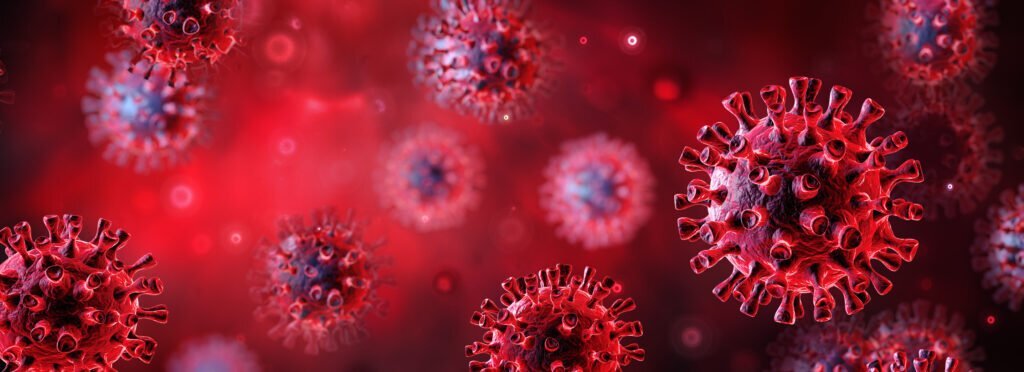
The spike protein (S protein) is a SARS-CoV-2 virus (coronavirus) component that helps the virus enter healthy cells. It latches onto receptors called ACE2 (angiotensin-converting enzyme 2), penetrating host cells and causing infection. The spike protein forms a structure called a spike on the outside of an enveloped virus. It’s what gives coronaviruses their crown-like appearance. The word corona is Latin for “crown.”
Natural Remedies to Prevent and Manage Autoimmune Disease

Autoimmunity is on the rise and has reached epidemic levels in the United States. Studies show that a common biomarker for autoimmune disease called antinuclear antibodies (ANA) has increased by 50 percent in the last 30 years. There is also a growing number of autoimmune diseases occurring after COVID-19 infection.
This New Eating Disorder is on the Rise: Is it Affecting You?
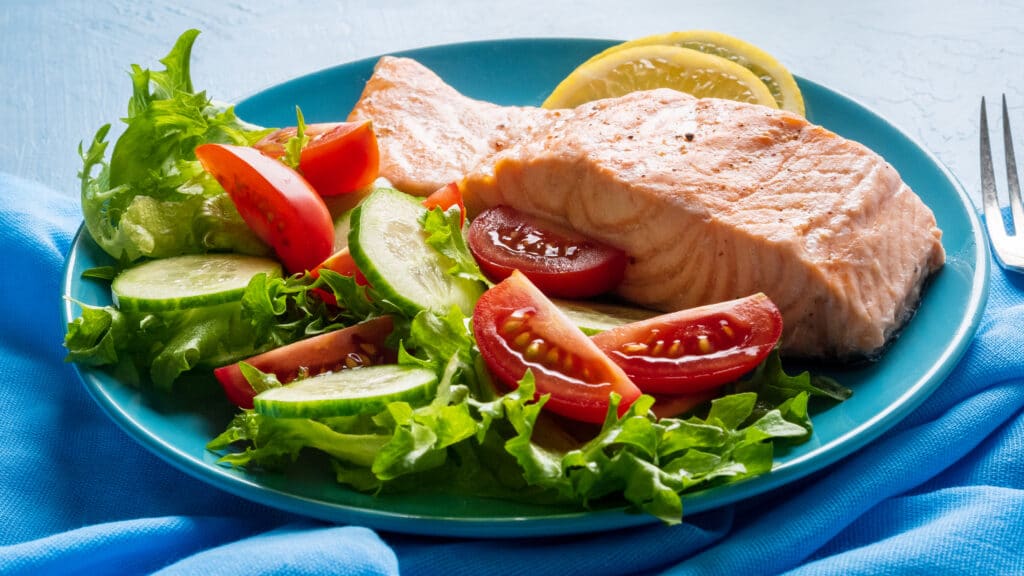
Avoidant Restrictive Food Intake Disorder (ARFID) is a relatively new diagnosis that was introduced into the DSM-V in 2013. Since then, eating and digestive disorders have increased as a result of the pandemic and lockdown restrictions. So, it’s more important than ever to learn about these disorders.
What is Mold Illness?

Mold illness is considered the original environmental illness and is most commonly associated with water-damaged buildings or homes. It is estimated that over 25% of all buildings in the U.S. have sustained water damage. Water-damaged buildings often host molds that can affect human health.