Sleep is one of the most important aspects of health. It accounts for one-third of our lives, that is, if we are sleeping an average of eight hours each night. But in...
The Health Benefits of an Organic Garden
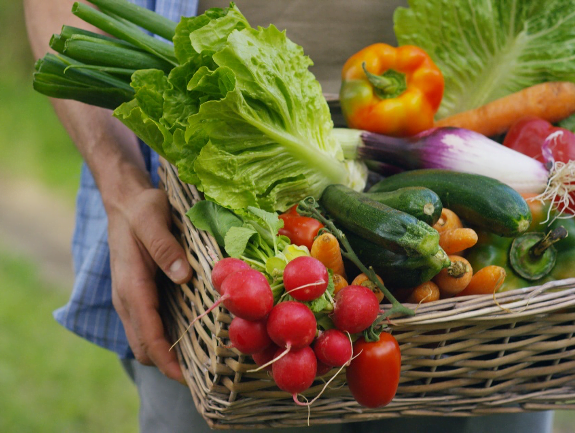
Many scientific studies have shown that organic gardening is beneficial for soil, plants, insects, animals, water and air quality, as well as human health. Organic gardening is defined as growing fruits, vegetables, grains, nuts, or seeds using natural methods (no pesticides, fungicides, or other poisonous synthetic chemicals). Instead, plants are grown according to a holistic and sustainable perspective. Organic farmers grow plants that are nurtured with the help of fresh air, sunshine, water, and minerals from the soil.
How is an Organic Garden Different?
To ensure the health and mineral content of the soil, the soil is prepared and cared for using natural compost or gathered mulch. Crops are rotated after each harvest and the soil is renewed by adding composted organic matter such as leaves and vegetable scraps. The organic approach also considers the welfare of worms, insects, animals, and companion plants. Basically, with organic gardening, the idea is that “nature knows best.” Organic farmers seek to live a cleaner, healthier existence in an earth-friendly way and harvest produce with the confidence that it has been grown naturally and without harmful chemicals.
Organic Garden Health Benefits
Whether you choose to support local organic farms or set up your backyard garden, studies show that organic gardening has significant health benefits.
- Some research shows that organic produce has higher levels of nutrients, especially magnesium (28% more), vitamin C (26% more), iron (20% more), and phosphorus (14% more).
- Daily gardening may reduce the risk of dementia by up to 36%.
- One study found that low-to-moderate gardening decreased the body’s total cholesterol, blood pressure, and oxidative stress.
- Outdoor gardening can help optimize vitamin D levels through sun exposure.
- Interacting with plants can increase self-esteem and reduce anger, sadness, and stress.
- Gardening time can be used to practice mindfulness by focusing on the different tasks and appreciating the work you’ve done. Mindfulness helps to decrease stress levels.
- If you have a garden, eating the produce grown in this soil can benefit your microbiome by providing geographically local bacteria.
- Since digestion begins in the brain, just seeing, picking, and touching the produce before preparation can prepare the body for better digestion and assimilation of nutrients.
- Working in a garden provides “earthing” and offers an excellent way to detoxify from electronics.
Sanoviv’s Organic Garden
At Sanoviv, the organic garden provides the following produce regularly
- Zucchini
- Yellow Squash
- Tomatoes (various types)
- Bell Peppers
- Cucumbers
- Chard
- Kale
- Spinach
- Lettuce Mixes
- Purslane
- Radishes
- Turnips
- Beets
- Carrots
- Fennel
- Eggplant
- Strawberries
- Cilantro
- Mint
- Parsley
- Rosemary
- Basil
How to Start a Garden
If you want to get started with organic gardening, choose easy-to-grow vegetables such as zucchini, radishes, cherry tomatoes, cucumbers, carrots, and bell peppers. Decide if you want to plant in your yard, containers, or large pots depending on your physical space.
It Begins With Healthy Soil
Healthy soil should have large pores for water movement and air filtration and should be deep enough to allow plants to grow (usually about 10-12 inches). The soil needs proper nutrients, good drainage, and beneficial organisms. Plants won’t grow well in compacted soil or sandy soil. In most cases, you can improve the soil by digging down and turning it over to loosen it and then adding compost to help it retain moisture and nutrients.
You can purchase organic compost or make it yourself. Homemade compost is typically made from coffee grounds, banana peels, leaves, grass clippings, and sometimes wood ashes. This organic matter is important for improving the soil and feeding the earthworms, which help to aerate and fertilize the garden. Adding compost is a good way to improve most soils.
Use Plants that are Natural Bug Repellents
When planning your garden, many plants help keep pests under control and attract pollinators. Here are some ideas:
- Marigolds have many insecticidal components. The scent of marigold flowers can not only help keep bugs away, but they are low maintenance and don’t take up too much space.
- Citronella grass produces an oil that is a popular ingredient in mosquito repellents. If you choose to use this plant, keep in mind it can grow up to 6 feet tall and 6 feet wide, so space them accordingly. Although very effective, citronella requires filtered sunlight and frequent watering.
- Herbs that work well in a garden include basil, mint, rosemary, and lemongrass. Not only can they help repel unwanted pests, but they can be used in the kitchen or added to your drinking water for an infused flavor.
- Lavender has essential oils that help repel mosquitos and can also attract pollinators to your garden.
Whether you grow your fruits and vegetables at home or support local organic farmers, gardening is an easy way to care for the earth and our bodies.
Ten Tips for a Healthy and Safe Summer

Summer is here! For many people, it’s the season with longer days and warmer weather. It’s the season for family vacations, picnics in the park, playgrounds, summer sports, and cooling activities that include lakes, pools, or the ocean. Food seems to taste better in the summer, especially the fresh fruits and vegetables in season. It’s also a time when accidental injuries peak and visits to the emergency room (ER) are more common. Here are ten tips for a healthy and safe summer.
1. Enjoy plenty of fresh fruits and vegetables
There are many choices but some of the best “cooling” foods include watermelon, cucumber, berries, tomatoes, corn on the cob, leafy greens, peaches, plums, cherries, and mint. Homemade lemonade is also a great choice (lemon juice, water, and honey). Consider making your own popsicles with fresh fruit and use blended watermelon or coconut water as the base. These will keep you cool and help you stay hydrated. For food safety, never leave perishable food in the sun or heat for more than two hours. Monitor food tables at picnics and outdoor events. If you are the host, put an “expired time” tag on food items.
2. Keep Active
Consider planning an active vacation with plenty of physical activities built in. Even visiting theme parks can include a lot of walking. Other activities include paddle boards, bicycling, roller skating, hiking while camping, and visits to national parks. There are so many great ways to stay active during the summer.
In warm weather, be sure to exercise earlier in the morning or later in the day. Look for shady areas if exercising outdoors and always take a water bottle with you. You may consider adjusting some of your activities based on the weather or air quality reports.
3. Enjoy Alcohol Responsibly
In the summer months, alcohol is a factor in boating accidents, drownings, and motor vehicle crashes. When combined with increased sweating in the heat and sun, drinking alcohol can lead to dehydration and heat stroke. If you are drinking alcoholic beverages, be sure to have one glass of water after each drink.
4. Stay Hydrated for a Safe Summer
Warm weather can easily lead to dehydration and potentially heat exhaustion. Keep in mind, that water helps flush waste products from the body and regulate temperature through sweating. It also helps protect sensitive organs such as the brain and joints. One recent study showed that heat-induced dehydration is stressful for the brain and can have negative effects on cognitive function. For a safe summer, drink even when you’re not thirsty and eat fruits and vegetables with a high water content (see #1 above).
The U.S. National Academies of Sciences, Engineering, and Medicine determined that an adequate daily fluid intake is: About 15.5 cups (3.7 liters) of fluids a day for men and 11.5 cups (2.7 liters) of fluids a day for women. Spread your water intake throughout the day.
5. Practice Sun Safety
Wear sunglasses to protect your eyes (children should too) and cover up with a hat and ultraviolet protective clothing (light colors reflect the sun). Look for shady areas or bring a beach umbrella to parks, pools, or other sunny outdoor locations. When it comes to sunscreens, select products carefully since many contain harmful chemicals that are absorbed by your body. Check out the Environmental Working Group’s Guide to Sunscreens for some recommendations.
6. Practice Swim Safety
According to the Centers for Disease Control (CDC), drowning is the number one cause of death in children ages 1 to 4 and the number two cause of death in children ages 1 to 14. For a safe summer, follow these swim safety tips to prevent injuries and accidents:
- Swim with others (never swim alone).
- Be sure kids are closely supervised even if a lifeguard is on duty. Designate a “water watcher” in group settings and that person should give his or her full attention (not browsing on a cell phone).
- For an ocean environment, always swim near a lifeguard. Ask the lifeguard for water and weather conditions. Comply with any warnings.
- Use a life vest when needed.
- If you have a pool, secure it with a barrier when it’s not in use.
- Enroll children (and adults who can’t swim) in swim lessons.
- For adults, alcohol and swimming are not recommended. And never jump off ocean piers or cliffs into water.
7. Plan Well for Road Trips
It’s common to take at least one road trip during the summer. To avoid fast food, plan with travel-friendly foods. Start by packing a small cooler and loading it with water, lemonade, coconut water, and sparkling water infused with fresh fruit. Here are some other ideas:
- Make a smoothie and freeze it. After a few hours in the car, you’ll have a fresh cold meal replacement. You may not even need a cooler for this drink.
- Consider uncured, organic meat sticks (or jerky). These travel well and provide a good source of protein.
- Pack some small servings of raw nuts (1/4 cup is a serving). Use zipper plastic snack-size bags.
- Find a protein bar with a low sugar content. Look for less than 7 grams of “added sugar” on the label.
- Fresh, organic whole fruit travels well and provides excellent vitamins, minerals, water, and fiber. Good choices include bananas, apples, peaches, plums, cherries, and pears.
8. Use a Natural Bug Repellent
Summer is a time for mosquitos and other annoying pests. Ticks are more common in the summer, especially in the Northeast and Midwest. Tick numbers have been spiking in the US, and they spread many diseases, including Lyme Disease, co-infections, and viruses. There are a variety of new repellent options, both for clothing and to be used on the skin, that can help protect your family from ticks, mosquitos, and other pests.
For a safe summer, rather than turning to toxic bug repellent, consider healthier alternatives. Remember, what you put on your skin, goes into your bloodstream. Many natural bug repellents use essential oils such as citronella, cedar wood, tea tree, and lemongrass instead of toxic pesticides. You can purchase them from a natural food market or search for a recipe online to make your own.
A Cornell University study found that cedar oil is a natural and highly effective tick repellent. If you’re ready to give this a try, here’s the recipe: In a small spray bottle mix 1/3 cup of distilled water, ¼ cup of witch hazel, and 30 to 50 drops of cedar oil (witch hazel helps to disperse the oil since water and oil don’t mix). Bring the bottle along in your car or handbag so you’ll be prepared for any outdoor activity. You can also spray this on clothing, shoes, or socks.
9. Know Plants That Can Cause Trouble
Poison ivy, oak, or sumac can completely ruin your summer. If you come into contact with any of these plants, rinse the area with soapy water for five minutes. If you are not sure what these plants look like, go online and study them, especially if you are planning on hiking or doing anything in heavily wooded areas (maybe even in your own backyard).
10. Be Safe When Grilling
We love the flavor of grilled food in the summer but be sure to follow the rules for safe grilling:
- Place your grill outdoors (always) and on a flat, stable surface and away from anything flammable.
- Use propane or infrared grills rather than charcoal and charcoal starter fluid.
- If the flame goes out, wait a few minutes before re-lighting.
- Wear appropriate clothing (no floppy sleeves).
- Keep your grill clean.
- Check for gas leaks.
- Keep a fire extinguisher nearby and have baking soda on hand for a grease fire.
Take time to appreciate all that summer has to offer. Each morning when you wake up or just before you go to sleep at night, think of 2-3 things you are truly grateful for. Try to think of different things each day. Gratitude improves physical and psychological health and can make any season better. Enjoy your safe summer.
Is There Cancer in Your Future?

Most doctors recommend regular check-ups and cancer screening. The tests that are most widely used to screen for various cancers include mammograms, pap, and HPV (human papillomavirus) tests, colonoscopies and stool tests (high-sensitivity fecal occult blood tests and stool DNA), skin exams, and prostate-specific antigen (PSA) blood tests. The purpose of these screening tests is to:
Lyme Co-Infections: Why Some People Struggle to Heal

Many patients with Lyme disease are treated only for their Borrelia infection but sometimes continue to struggle with symptoms. One reason for this is that the bacterium that causes Lyme disease, Borrelia burgdorferi, is often accompanied by other bacteria, viruses, and parasites called “co-infections.” These pathogens can also produce symptoms. So, if a person was treated for Lyme disease but not tested and treated for other co-infections, some symptoms can persist. The Sanoviv medical team has treated more than 400 cases of Lyme disease since 2020, and 67% of those patients also had co-infections.
Common Lyme Co-Infections
The most common tick-borne co-infections include babesia (32%), bartonella (28%), ehrlichia (15%), mycoplasma (15%), rickettsia (6%), and anaplasma (5%). Generally, a person with co-infections may experience more severe illness, symptoms, and a longer recovery. In fact, the Centers for Disease Control (CDC) recommends considering co-infection with babesia or anaplasma when the patient’s symptoms are more severe.
Babesia
Babesia is a parasite that causes malaria-like disease. It responds like a bacteria, but it’s referred to as a parasite because it cannot survive outside the body. Symptoms can begin with a high fever and chills. As it progresses, fatigue, pain, anemia, headache, muscle aches, and nausea may develop. Successful treatment often includes whole-body hyperthermia, natural anti-malarial treatments like intravenous artesunate (see “Featured Therapy” below), and antibiotics (if needed).
Bartonella
Bartonella is a unique bacteria that can burrow inside cells causing a variety of symptoms. If the immune system is working well, the body can deal with it. However, with a weakened immune system, Lyme disease, severe cold or flu, stressful events, or mold toxicity, bartonella can begin to grow and thrive. This is the bacteria that causes Cat Scratch disease (also known as cat scratch fever). Infection can be caused by a tick, flea, mosquito, sand fly, or a scratch (or bite) from an infected cat (about 40% of cats carry this bacteria).
Although it is a common co-infection of Lyme disease, it can also occur on its own. Symptoms include horrible depression, anxiety, mood swings, tender lymph nodes, low-grade fever, and muscle pain. However, the complete list of symptoms is long and can relate to many neurological and immune system abnormalities. Treatments may include whole-body hyperthermia and specific antibiotics.
Ehrlichia and Anaplasma
Ehrlichia and anaplasma are bacteria that infect white blood cells. Symptoms may include fatigue, fever, headache, and muscle aches. The disease can be mild or life-threatening. In more severe cases, patients may have low white blood cell counts, low platelets, anemia, elevated liver enzymes, kidney problems, and respiratory insufficiency. Treatment includes specific antibiotics.
Rickettsia
Rickettsia is the bacteria that causes Rocky Mountain Spotted Fever. It is considered the deadliest tick-borne disease in the world. Early symptoms include rash, fever, headache, nausea, vomiting, stomach pain, muscle pain, and lack of appetite. Left untreated, the bacteria can affect blood vessels leading to tissue and organ damage.
Mycoplasma
Mycoplasma is a bacteria that can cause infections in your respiratory, urinary, and genital tracts. This bacteria is unique because they lack cell walls (some antibiotics attack cell walls to destroy the bacteria), so some antibiotics are ineffective. Mycoplasma pneumoniae is the bacteria that causes pneumonia.
When Lyme co-infections exist, compounding factors include chronic inflammation, immune suppression, and elevated levels of heavy metals and toxins. Since these factors can create a complex pathology of Lyme disease, successful treatment requires multilayered solutions. This includes enhancing immunity, detoxification, and reducing inflammation while attacking the infection from multiple angles.
Sanoviv Offer Treatment for Lyme Co-Infections
At Sanoviv, we test for Lyme disease and several co-infections (see “Featured Lab Test” below) so treatment can be targeted and effective. Treatments are customized to match the specific disease profile of each patient, resulting in high success rates. Unlike many other Lyme treatment programs, we also offer a unique approach to the psychology of the condition after learning from our research team that approximately 70% of our Lyme patients are also suffering from active trauma or a history of trauma (PTSD) that is intensified by the Lyme infection. The Sanoviv psychology department has many tools to help support healing from these emotional traumas and improve treatment outcomes. Every facet of this complex condition needs to be targeted to optimize a successful outcome. For more information about our comprehensive approach to treating Lyme and Co-infections, please contact our admissions department.
What is Mold Illness?

Mold illness is considered the original environmental illness and is most commonly associated with water-damaged buildings or homes. It is estimated that over 25% of all buildings in the U.S. have sustained water damage. Water-damaged buildings often host molds that can affect human health.
Indoor Air Pollution: How to Reduce Hidden Harms
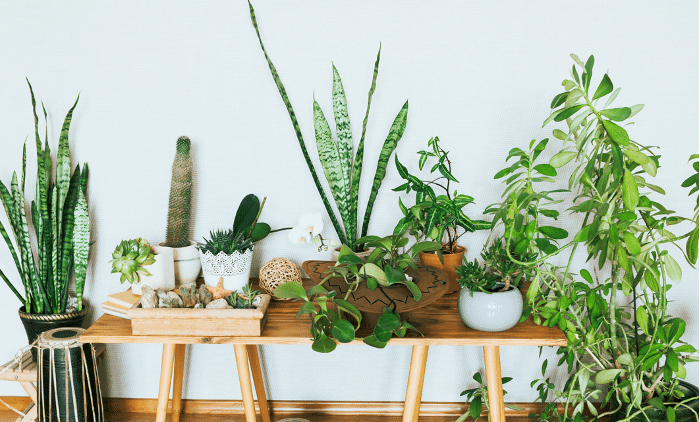
Indoor air pollution is a threat to human health and is responsible for 3.8 million deaths annually. Since most people spend as much as 90% of their time indoors, mainly in the workplace, schools, or at home, it’s important to identify and reduce harmful pollutants. Research shows that both short- and long-term exposure can promote a variety of health problems including cardiorespiratory diseases, some cancers, and neurological problems.
What is Long COVID Syndrome?

This syndrome, otherwise known as Long Haul COVID or post-COVID, refers to persistent or emerging symptoms following an acute COVID-19 infection. It is a complex and often debilitating disorder that can affect many systems of the body. More than 200 symptoms have been identified with impacts on multiple organ systems.
Change Your Habits to Take Charge of Your Health
Every January, the New Year arrives with a renewed commitment to exercising, eating better, losing weight, saving money, and more. These are typical “New Year’s Resolutions.” We all know that resolutions are destined to fail unless turned into habits. One report examining millions of uploaded exercise activities predicted that most people will give up on their resolutions by January 19th, known as “Quitter’s Day.” Change your habits in 2022 if you want to take charge of your health.
Top Tips for a Healthy Holiday Season

The holidays are intended as a joyous time of celebration and positive emotions such as happiness, gratitude, and high spirits. However, for those who lack time, and money, or become caught up in the excesses of the season, this time of year may be quite stressful. It can also be difficult for those faced with a chronic illness or recent loss. Here are some tips for staying happy and having a healthy holiday season: