Why To Offer Summer Fridays To Your Employees
Now that summer is officially here, many businesses across the country will be giving employees at least some time off on Fridays that doesn’t count toward a vacation or personal time.
Posts about:
Now that summer is officially here, many businesses across the country will be giving employees at least some time off on Fridays that doesn’t count toward a vacation or personal time.
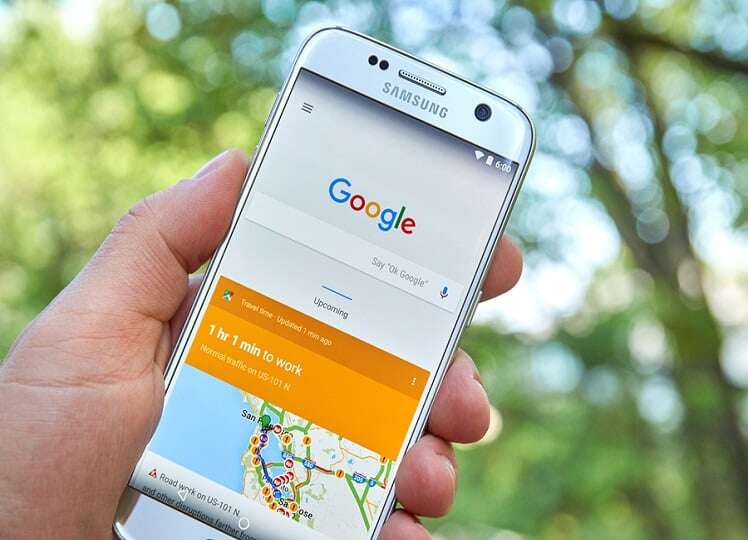
Do you want to know when the next subway train is due to arrive at your stop in New York City? Just ask Google.
Would you forgo a 56 percent pay increase if you could go from the worst job benefits and perks to the best?
If you answered yes, then you agree with a new research from the National Bureau of Economic Research. The study showed people switching from a job with the worst mix of perks and benefits to the best was worth 56 percent in increased wages.
There’s not a day that goes by where you can’t log into Twitter or LinkedIn and see a new article about the hot trend in employee benefits or commuting.
What matters most is what trends stick around. Earlier this year, the Society for Human Resource Management published its 2018 Employee Benefits survey with HR professionals. It benchmarks the prevalence of 300-plus benefits over a five-year period.
About 285,000 human resources professionals were asked what benefits they had offered, and what they planned to offer over the next year. The results were compared to previous surveys to see benefits are increasing, and which are on the decline.
Here is a look at the survey’s results:
How many “work perks” do you offer your employees?
Work perks are often considered the fringe benefits that can go beyond employee health insurance and other traditional benefits. They are rapidly becoming popular with employees because they have a meaningful impact on their lives.
In 2018 survey of 600 small and midsize businesses, 68 percent said the work perks a company offers is just as important as traditional benefits.
Millennials and Generation Z workers are likely to favor work perks as well, and many employers have had to rethink employee benefits to attract and keep the best talent in the workforce.
The survey was conducted by HR software company Zenefits. In it, more than 70 percent of the people said they “strongly agree” or “somewhat agreed” that fringe benefits would be an important factor for them when they looked for future employment.
The fringe benefits, like commuter benefits, can be very beneficial to an employer. They may not cost as much as traditional benefits like health insurance. Companies that are savvy can use them to attract top talent without having to spend a significant amount of resources to administer them. If offered, they can make a smaller company’s benefits package competitive when compared to a larger company.
So what work perks do employees want? Here are 3 work perks gaining momentum with employees.
Want to provide better benefits to your employees and candidates — and not break the bank?
Stay away from booking those “trust falls on retreats.” Instead, give them something they will benefit from every day.
Professional networking site, LinkedIn, recently gathered data to compare employee turnover rates by industry, such as Retail & Consumer Products, Media & Entertainment, and Financial Services & Insurance and ranked them by employee longevity.
Topping the list with the highest rate, despite legendary perks such as nap pods, free meals and snacks, and unlimited time off, is the tech industry, still a competitive job market with lots of competition.
Taking a closer look at the data within the tech industry, the San Francisco Business Times, reported on which tech companies in this highly competitive job market, were succeeding in retaining employees, and as we may all agree, is vital to long-term growth and success.