
Sustainability investments are no longer just about environmental responsibility - they're a critical financial strategy. However, proving the financial return on these investments can be difficult without the right tools.
Sustainability investments are no longer just about environmental responsibility - they're a critical financial strategy. However, proving the financial return on these investments can be difficult without the right tools.
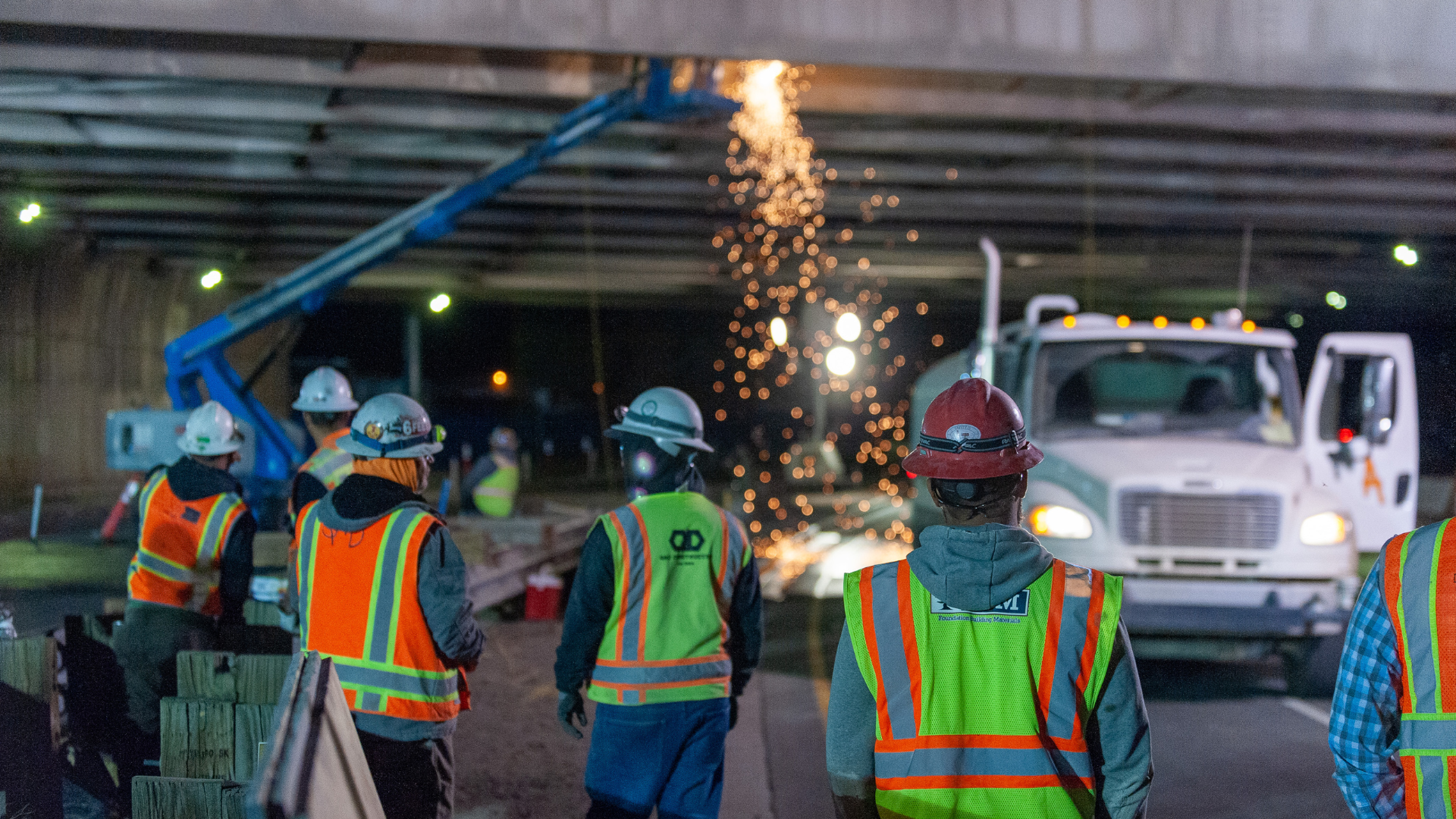
As sustainability moves to the forefront of global business priorities, Public-Private Partnerships (PPPs) are increasingly being scrutinised for their environmental impact. No longer is sustainability merely a "nice to have"; it has become a fundamental requirement for success, both in terms of long-term project outcomes and public perception. Yet, many companies face significant challenges when it comes to implementing sustainable practices within their PPPs. From balancing conflicting priorities to measuring performance and allocating risks, the road to sustainability in these partnerships can be a tough one.

The journey to a sustainable future starts with a fundamental question: why is a flight often cheaper than a train journey? This discrepancy isn’t just about economics; it’s about a system that prioritises convenience over sustainability.

Think differently, the now infamous advertising campaign produced by Apple between 1997 and 2002 highlighted that people who see things differently change things:
“Here’s to the crazy ones, the misfits, the rebels, the troublemakers, the round pegs in the square holes… the ones who see things differently — they’re not fond of rules… You can quote them, disagree with them, glorify or vilify them, but the only thing you can’t do is ignore them because they change things… they push the human race forward, and while some may see them as the crazy ones, we see genius, because the ones who are crazy enough to think that they can change the world, are the ones who do.”
*Steve Jobs, Apple 1997.

On the 18th February the Government published a series of documents asking for the public views on key areas of waste management. Resident expert David Newman has compiled the top five things you need to know from the consultations. You can find out more and have your say by visiting the Gov.uk
*As many powers are already devolved to Scotland and Wales, these consultations mainly concern England.

I was recently asked to present at the Institute of Workplace and Facilities Management (formerly BIFM) AGM about the plastic’s ‘crisis’. A subject that I had written about for World Environment day last year. In the article, I called on organisations to really think about, and investigate what happens to their wastes, rather than implementing a ‘quick fix’ solution that could do more harm than good.

Where in Scotland does the public sector, private sector, community, investors and third sector come together to build innovative, industry defining ideas? The answer is CivTech®.
A unique accelerator programme run by the Scottish Government that empowers public sector organisations to lay out specific challenges for private sector companies to solve.
My name is Jack and I’m developing our answer to Challenge 6, set by National Services Scotland, “How can we transform the re-use of products for NHS Scotland?”. It was a pleasure to talk with Derek Mackay MSP (Cabinet Secretary for Finance, Economy & Fair Work) about Scotland's growing circular economy...but I wish I had worn a smarter jumper(!)
Ditto Sustainability has been chosen to transform the re-use of products for NHS Scotland. Reducing waste, providing cost savings, and developing skilled jobs; stimulating the Scottish circular economy.

Dan Botterill, CEO of Ditto Sustainability, explains how Artificial intelligence (AI) can help towards achieving a more circular economy.
The 4th Industrial revolution conjures imagery of all kinds of technology adaptations and evolutions; driverless cars, the Internet of Things (IoT), robotics and AI – the last of which underpins many applications in this area. The wide scale adoption of AI massively divides opinion. The inability of machine learning and probabilistic AI technologies to ‘self account’ or ‘explain’ how they have reached their conclusions is a very prominent concern for many, particularly those writing the law...

For those of us who’ve worked in or with the waste industry for a while, it certainly feels like times are changing. A public obsession with single use plastics, rallying cries for better food waste segregation and management, and the emergence of the new agenda in town: the circular economy.
So what does this mean for the oft maligned waste management contractor? How does its role need to adapt and evolve to respond to the progressively more outspoken ethical consumers?