alsym press releases - kn

test

Posts by Trevor Larsen:

Non Lithium Battery Alternatives

Non Lithium Battery Alternatives

Lithium batteries have helped power society’s shift to renewable energy, serving as the industry standard for everything from electric vehicles to grid-scale energy storage. Scientists are continually looking for sustainable non-lithium battery alternatives because lithium-ion batteries come with safety risks and environmental consequences in their production.
What Is the Difference Between Lithium-Ion and LFP / LiFePO₄ Batteries?

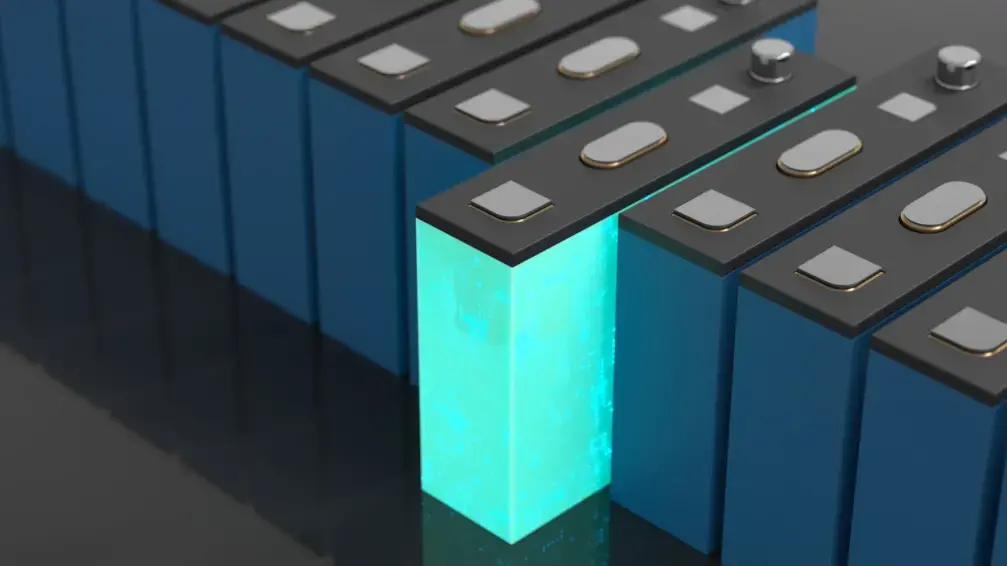
What Is the Difference Between Lithium-Ion and LFP / LiFePO₄ Batteries?

The advent of lithium iron phosphate (LFP) batteries represented a significant milestone in rechargeable lithium-ion battery technology. With a cathode material centered around lithium, iron, and phosphate (LiFePO4), these batteries carve a distinct sub-sect in the broader lithium-ion landscape, addressing some of the safety and stability concerns that accompany other lithium-ion battery chemistries.

How Can Cities Address Battery Fire Risks in Multifamily Buildings?

How Can Cities Address Battery Fire Risks in Multifamily Buildings?

A new wave of sustainability and energy efficiency efforts targeted at multifamily buildings has increased the use of lithium-ion batteries. Whether in e-bikes, charging stations, or battery storage systems, lithium-ion battery packs and systems are now found in large quantities in any given square mile of a populated area.

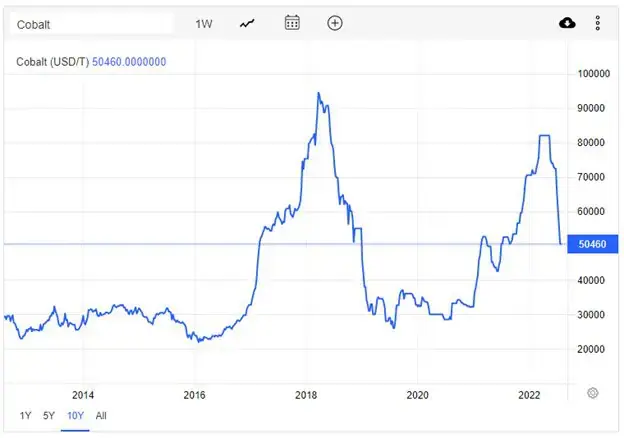
Cobalt has no place in modern batteries. Here’s why.

Cobalt has no place in modern batteries. Here’s why.

People have used cobalt for many things. It has a long history as a pigment; it’s been used to decorate porcelain for centuries in China, and cobalt blue was a favorite paint color for impressionists such as Renoir and Monet. It’s found in many high-strength metal alloys. It’s necessary for human life, found in vitamin B12.

Lithium Ion Battery Recycling: Can They be Recycled?

Lithium Ion Battery Recycling: Can They be Recycled?

As the demand for electric vehicles increases, so does the need for lithium-ion battery (LIB) recycling. It may seem like current recycling technologies are highly effective at first glance; however, critical studies using lifecycle analysis (LCA) show that several factors affect both potential economic and environmental gains of recycled lithium-ion batteries.

Lithium-Ion Batteries are Toxic From Start to Finish

Lithium-Ion Batteries are Toxic From Start to Finish
  • Written by Dr. Nikhil Koratkar, co-founder of Alsym Energy, John A. Clark and Edward T. Crossan Chair Professor in Engineering at Rensselaer Polytechnic Institute (RPI)

Lithium-ion batteries are everywhere, from the tiny ones in your earbuds to the massive ones in stationary storage installations. And every day, thousands of new batteries roll off the assembly lines—and thousands more find their way into landfills and rivers. It’s easy to assume that these batteries are safe for people and the environment given their ubiquity, but that couldn’t be farther from the truth.

Lithium Battery Fires: Why Do They Happen?

Lithium Battery Fires: Why Do They Happen?

Lithium-ion batteries are everywhere–there’s probably one in the cell phone in your pocket, in the laptop on your desk, and in the wireless headphones in your ears. While they’ve become commonplace, lithium-ion batteries come with some inconvenient truths – particularly that they’re prone to fires and corrosive leaks. This is why we’re seeing patterns such as recalls for battery electric vehicles (BEVs), specific regulations for traveling with lithium-ion batteries on airplanes, and major fires breaking out in stationary applications and aboard shipping vessels transporting electric vehicles.