
In today’s battery energy storage landscape, lithium-ion runs the show, making up 99% of new energy storage capacity over the last few years. But that is not to say...
The advent of lithium iron phosphate (LFP) batteries represented a significant milestone in rechargeable lithium-ion battery technology. With a cathode material centered around lithium, iron, and phosphate (LiFePO4), these batteries carve a distinct sub-sect in the broader lithium-ion landscape, addressing some of the safety and stability concerns that accompany other lithium-ion battery chemistries.
With the battery market diversifying, exploring the advantages, disadvantages, and growing applications of LFP batteries, as well as learning more about alternative lithium-free battery chemistries, is vital for those involved in the industry. With the US committing to net zero emissions by 2050, innovative battery chemistries prioritizing safety and cost-effectiveness are essential to ensure an accessible and sustainable electrified future.
A rechargeable lithium-ion battery that uses LiFePO₄ as its cathode material is defined by the acronym LFP. The term “LFP” is derived from the chemical symbols of its components, emphasizing the use of iron (Fe) and phosphate (PO4). Unlike traditional lithium-ion batteries that use cathode materials like lithium cobalt oxide (LiCoO2) or lithium manganese oxide (LiMn2O4), LFP batteries differentiate themselves by using iron and phosphate.
The development of LFP batteries traces back to the broader evolution of lithium-ion battery technology, which began gaining prominence approximately 25 years ago. Over time, researchers and engineers sought to address safety concerns associated with other lithium-ion cathode materials, leading to the emergence of lithium iron phosphate as a safer and more stable alternative. The more tolerant nature of the LiFePO4 battery compared to high-nickel variants marked a significant advancement, making them a preferred choice for various applications.
LFP battery cells are characterized by their specific composition and notable features, as listed here:
Compared to other lithium-ion battery chemistries like nickel manganese cobalt (NMC) and nickel cobalt aluminum (NCA), LFP batteries highlight distinct attributes such as being cobalt-free, thereby mitigating concerns related to the environmental and human rights issues associated with cobalt. The composition of LFP batteries utilizes more abundant elements like iron and phosphate.
While the energy density of LFP batteries is lower than that of common lithium-ion types, such as NMC, it remains sufficient for various applications. With an energy density ranging from 90 to 160 Watt-hours per kilogram (Wh/kg) compared to NMC at 150 to 220 Wh/kg, LFP batteries are effective when considering packing technology advancements that offer potential improvements.
LFP batteries bring several advantages, enhancing their appeal in diverse applications, from electric vehicles (EVs) to batteries used in residential settings, to grid-scale applications. The structural stability of LFP battery cells and their thermal and chemical stability contribute to enhanced safety, and the considerable cycle life of LFP batteries surpasses other lithium-ion chemistries like NMC.
Choosing between LFP and other types of lithium-ion batteries depends on the specific requirements and priorities of the intended application. The pros and cons of LFP include the following:
Exploring lithium-free alternative batteries addresses concerns about lithium supply, safety, and environmental sustainability, fostering a more stable energy storage solution. Parallel to LFP’s place in the market, novel chemistries that are non-toxic and non-flammable are coming on the scene to offer improved safety profiles with no inherent risk of thermal runaway, moving beyond the risks of traditional lithium-ion batteries.
The diversity in material options is vital for effective energy storage solutions. Encouraging the adoption of lithium-free technologies contributes to diversity in the battery market, fostering innovation, and expanding options for various applications.
The application of LFP batteries extends beyond electric vehicles to larger-scale energy solutions. Megapacks—Tesla’s utility-scale energy storage solution—have increasingly leveraged LFP battery technology in newer models of the product. LFP batteries have also become a dominant technology in commercial and industrial battery energy storage systems (BESS), reflecting their versatility for storing and managing electrical energy in diverse settings.
The Tesla Powerwall, a product in the residential energy storage segment, has gained immense popularity and achieved 500,000 global installations in early 2023. While the Powerwall was initially equipped with NMC batteries, recent discussions and developments strongly suggest a potential shift to LFP battery technology in its third generation, although not officially confirmed. This transition reflects the continuous innovation within Tesla’s product lineup, and it aligns with the broader industry’s need for a more reliable and safer option for energy storage.
EVs and energy storage are at a critical juncture, demanding innovative solutions to enhance resiliency, safety, and efficiency. While lithium-ion batteries currently dominate both markets, researchers are exploring and developing alternative materials and chemistries. These emerging battery technologies symbolize a cleaner, more sustainable future, promising enhanced safety and affordability.
Alsym™ Energy is developing low-cost, high-performance battery technologies for use in large-scale stationary storage applications. Our proprietary wide-duration battery technology avoids lithium and cobalt, taking advantage of readily available materials that are inherently non-flammable and non-toxic, reducing costs and increasing safety and sustainability.
Our low-cost, non-lithium technology allows utilities and project owners to deploy sustainable wide-duration storage without the need for subsidies, and non-flammable and non-toxic materials enable use in areas with high population densities. Alsym technology combines fast charge rates and on-demand user-configurable discharge durations with high round-trip efficiency in a minimal footprint for maximum energy and power with low levelized cost of storage (LCOS), making them ideal for both short-duration and long-duration energy storage (LDES) needs.
Low-cost, high-performance Alsym batteries will enable global adoption of battery storage systems across consumer and commercial segments. Our non-flammable materials can help OEMs increase design flexibility, enhanced safety, and achieve lower overall costs.
In today’s battery energy storage landscape, lithium-ion runs the show, making up 99% of new energy storage capacity over the last few years. But that is not to say...
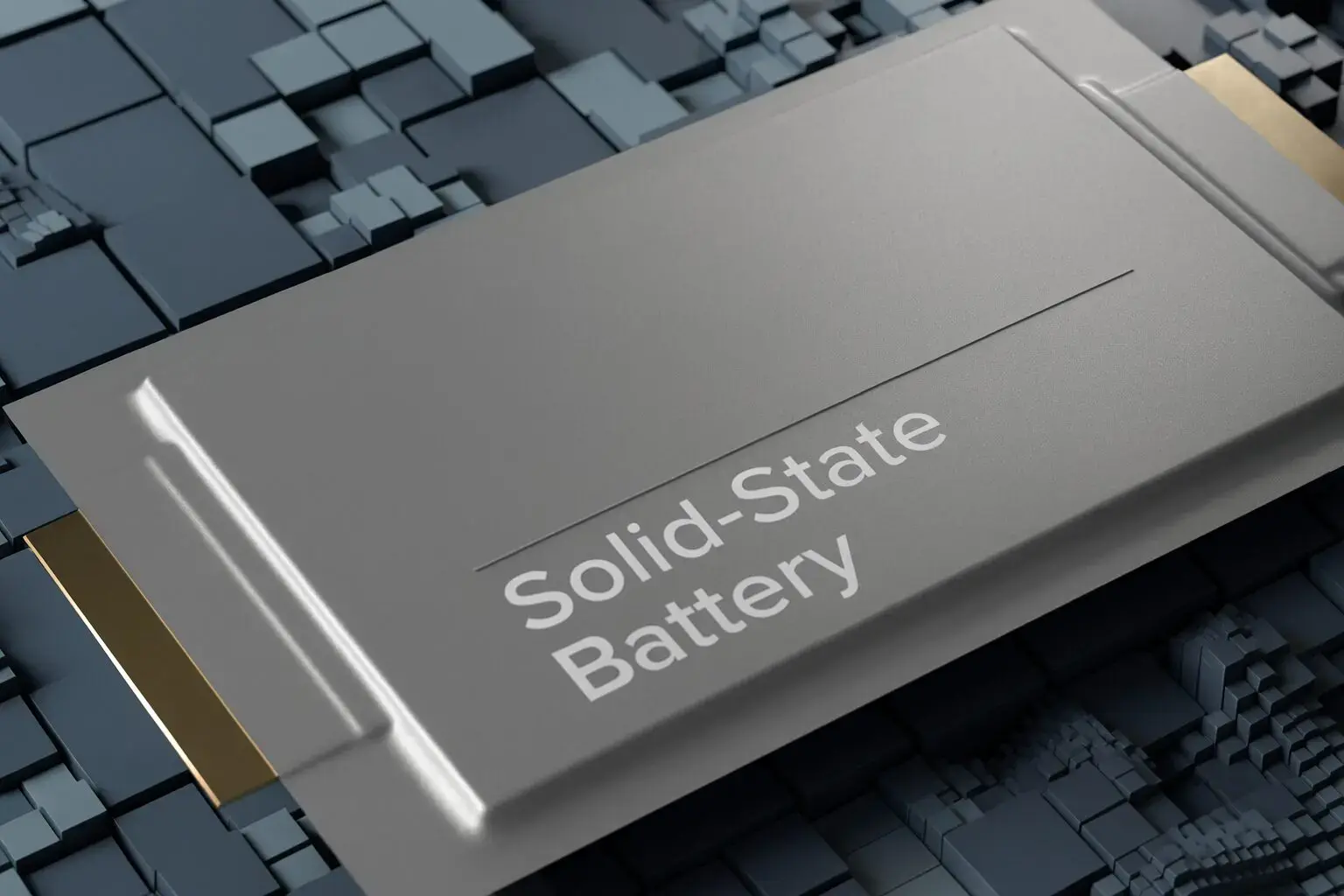
In the dynamic landscape of battery energy storage, two contenders vie for supremacy: Solid-State Battery vs Lithium-Ion. These powerhouses fuel our devices, electric...