Vulnerabilities in the power sector call for safer, more sustainable battery solutions
Vulnerabilities in the power sector call for safer, more sustainable battery solutions

Anyone living in the 21st century knows what a battery is. If you’re a scientist, you might have a technical definition involving electron flows and redox reactions, but the layperson’s understanding of batteries as mobile power sources for their electronic devices is certainly correct. By comparison, BESS Battery energy storage systems are a somewhat niche topic. These systems will play a critical role in building the robust, reliable, renewable energy grids of the future. But what exactly is this technology?
Examining the importance of different energy storage solutions in the renewable energy landscape
How to avoid the perfect storm of toxic smoke, rapidly spreading fires, and limited firefighting capabilities presented by lithium battery fires.

What a difference a decade can make. For decades, the natural resource of top geopolitical importance was oil. Now, as emissions reduction efforts take hold around the world, the United States government is increasingly concerned about the essential mineral supply chains that power green energy technologies.
From smartphones to wind turbines, critical materials power our lives. But what are they, and what makes them so critical?

With 60% of global greenhouse gas emissions coming from energy, there’s a universal need to make our power system as clean and cost-effective as possible. Renewable energy sources like solar and wind are excellent options, but they’re intermittent by nature, meaning they’re effective only when the sun is shining and the wind blowing.
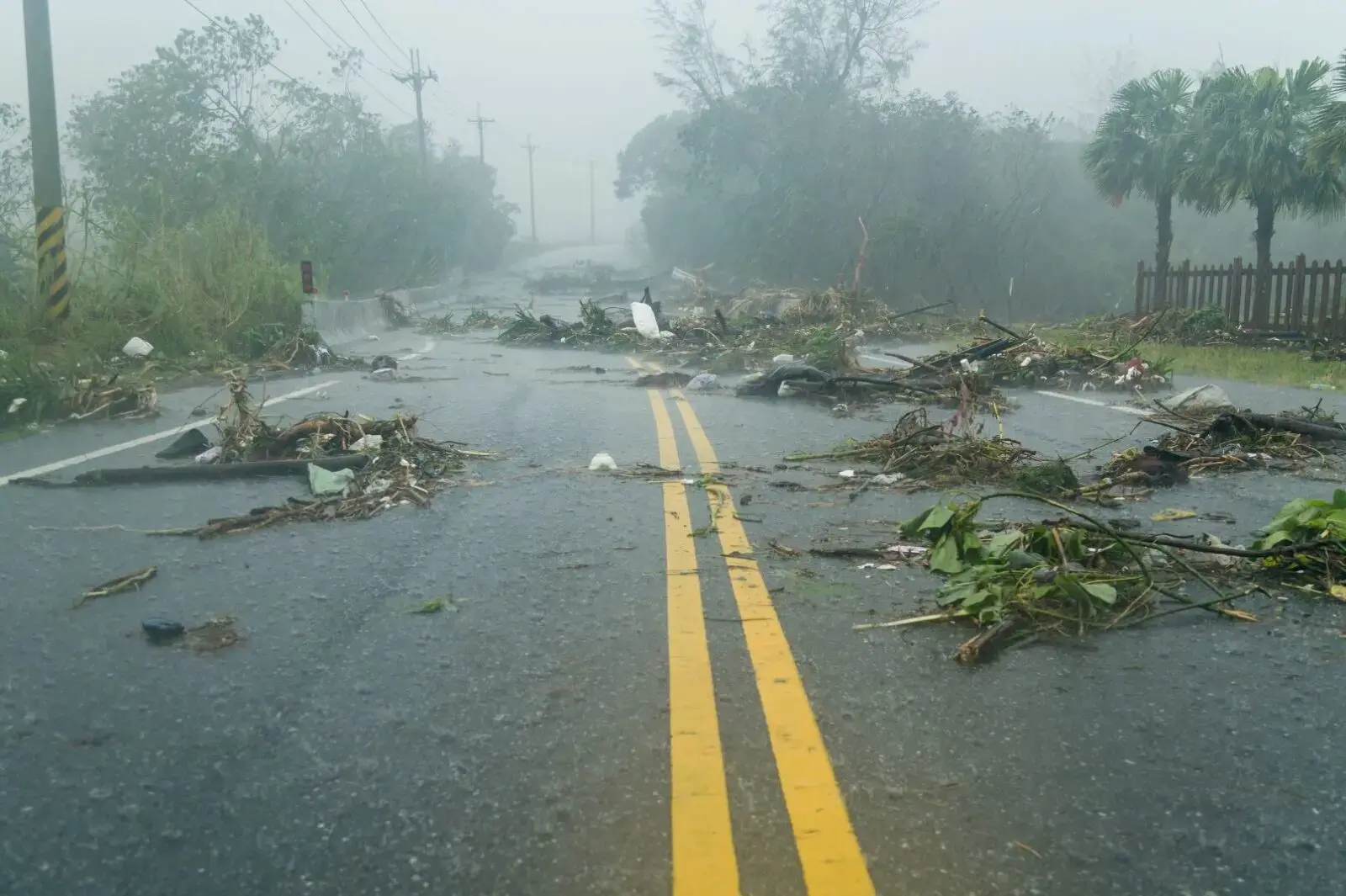
Extreme weather events are happening more often and to a greater degree worldwide. In 2023, the U.S. experienced 28 separate weather and climate disasters totaling $92.9 billion in damages. Beyond monetary costs, natural disasters (such as the wildfire on Maui Island, Hawaii) strain all critical systems that rely on modern energy infrastructure. Energy systems are essential to services like hospitals, water treatment plants, and transportation networks and robust new energy strategies are vital as extreme weather incidents threaten their continuous operation.

Energy storage systems are technologies that store energy from the electrical grid for later use. These systems can take various forms, including batteries, pumped hydro, flywheels, and thermal storage. Among the types of battery storage technology, lithium-ion batteries are common.
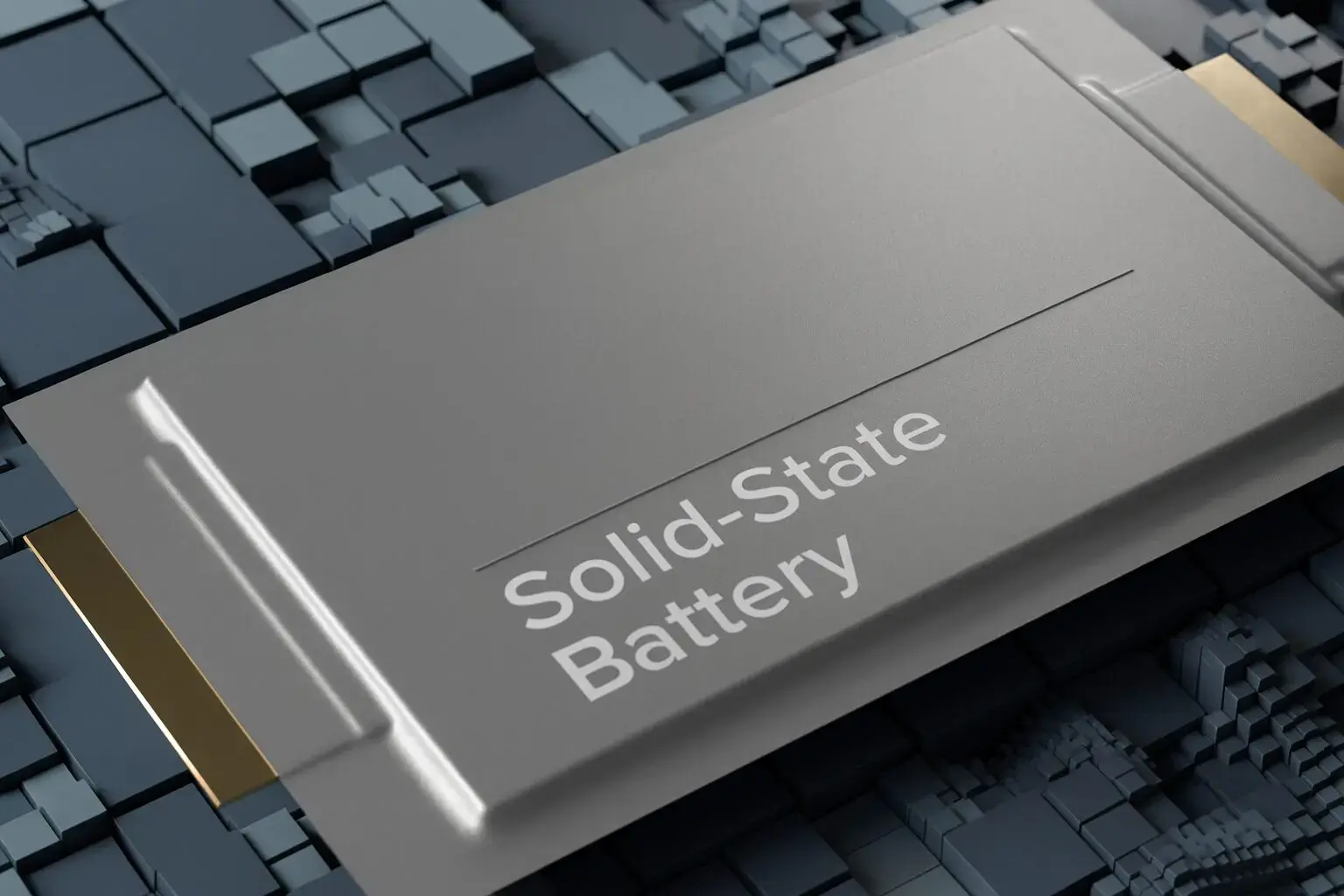
In the dynamic landscape of battery energy storage, two contenders vie for supremacy: Solid-State Battery vs Lithium-Ion. These powerhouses fuel our devices, electric vehicles, and renewable energy systems. But what truly sets them apart?