Satish Natarajan is CEO and Co-Founder of DispatchTrack, a global leader in last mile delivery technology and customer experience. This article originally appeared for the Forbes Technology Council here.
Satish Natarajan is CEO and Co-Founder of DispatchTrack, a global leader in last mile delivery technology and customer experience. This article originally appeared for the Forbes Technology Council here.
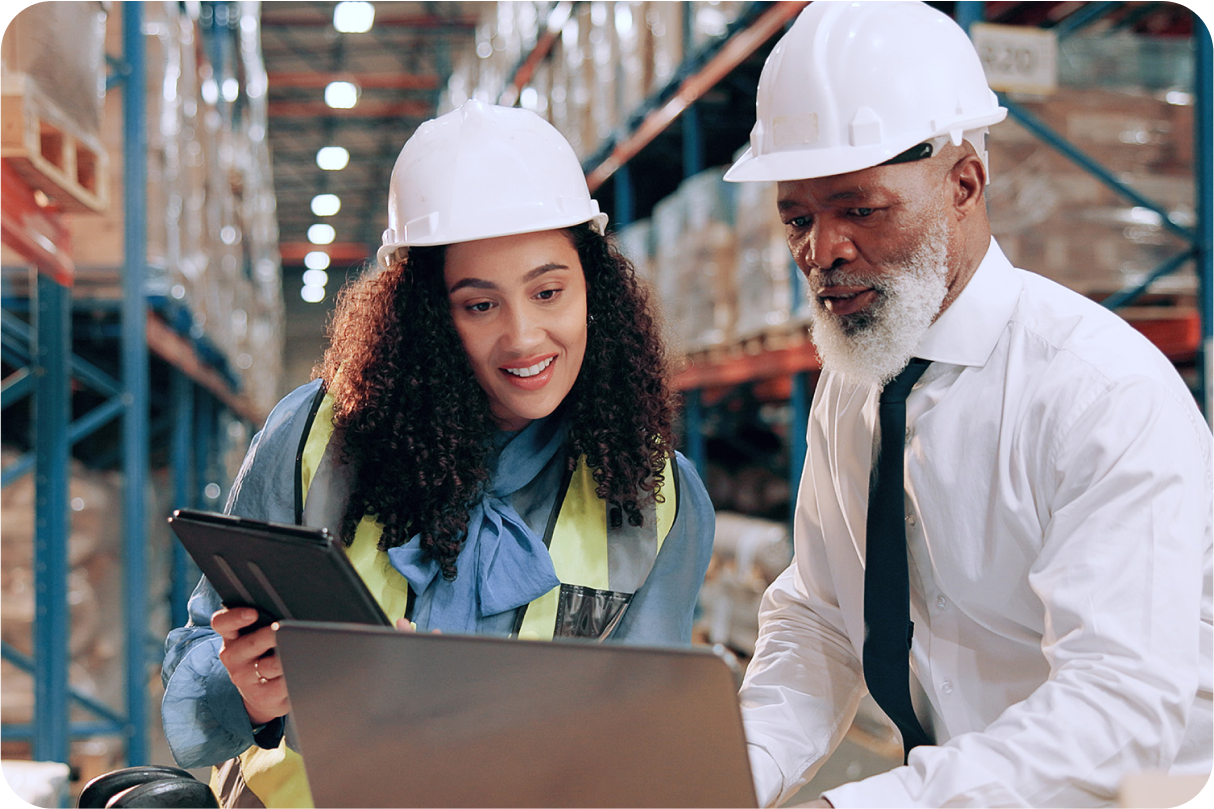
For businesses that are focused on providing a great delivery experience to customers, the first mile can sometimes feel like an incredibly distant concern. Someone else is probably managing it, and getting the right goods to the right place at the right in the last mile is difficult enough on its own that your teams don’t have extra bandwidth to worry about it. But here’s a secret: one of the keys to perfect final mile delivery is integrating it efficiently with the first mile and middle mile.

Live delivery tracking is so important to consumers that Google’s latest Android update goes out of its way to ensure that users don’t have to refresh their phones to see delivery progress and ETAs for Uber Eats orders. In point of fact, they’re playing catch up with Apple’s iOS on that front—but the point stands that the ability to get live delivery updates at a glance is more than just a “nice to have.”
![Integration Without the Headaches: Bring Delivery and ERP Together [MindCloud Webinar]](https://7552374.hs-sites.com/hubfs/Imported_Blog_Media/Screen-Shot-2025-09-16-at-1_57_56-PM-1.png)

There’s the old thought experiment: “if a tree falls in a forest, and there’s no one there to hear it, does it make a sound?” Well, the world of logistics has its own version: “if an order is delivered, and there’s no photograph or signature, did the delivery really take place?”

The larger your business, the more complicated your delivery territories are likely to be—which is saying something, because even if you’re just running a few trucks you can easily get overwhelmed by the complexity of territory optimization.
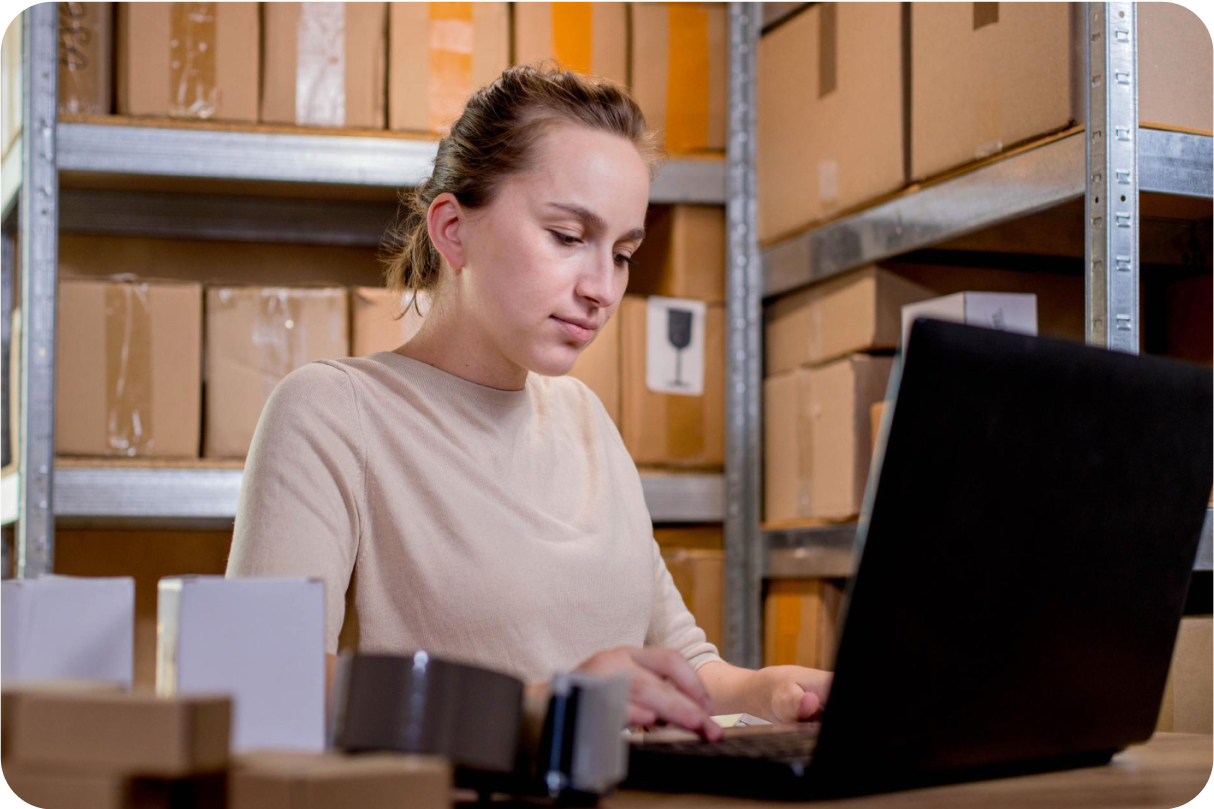
Let’s say you’ve just deployed a new ERP system. After pouring your blood, sweat, and tears into an effective deployment with responsible change management, you’re ready to move on to the next phase: integrating logistics solutions into your technology stack.

Everyone’s talking about autonomous supply chains and autonomous vehicles powered by AI—and the upshot seems to be that they’re never quite as close to being a reality as we would like. Part of this comes down to the AI problem, in which anything that AI can actually do effectively is no longer viewed as cutting edge technology (in the way that ChatGPT is “glorified autocomplete”).
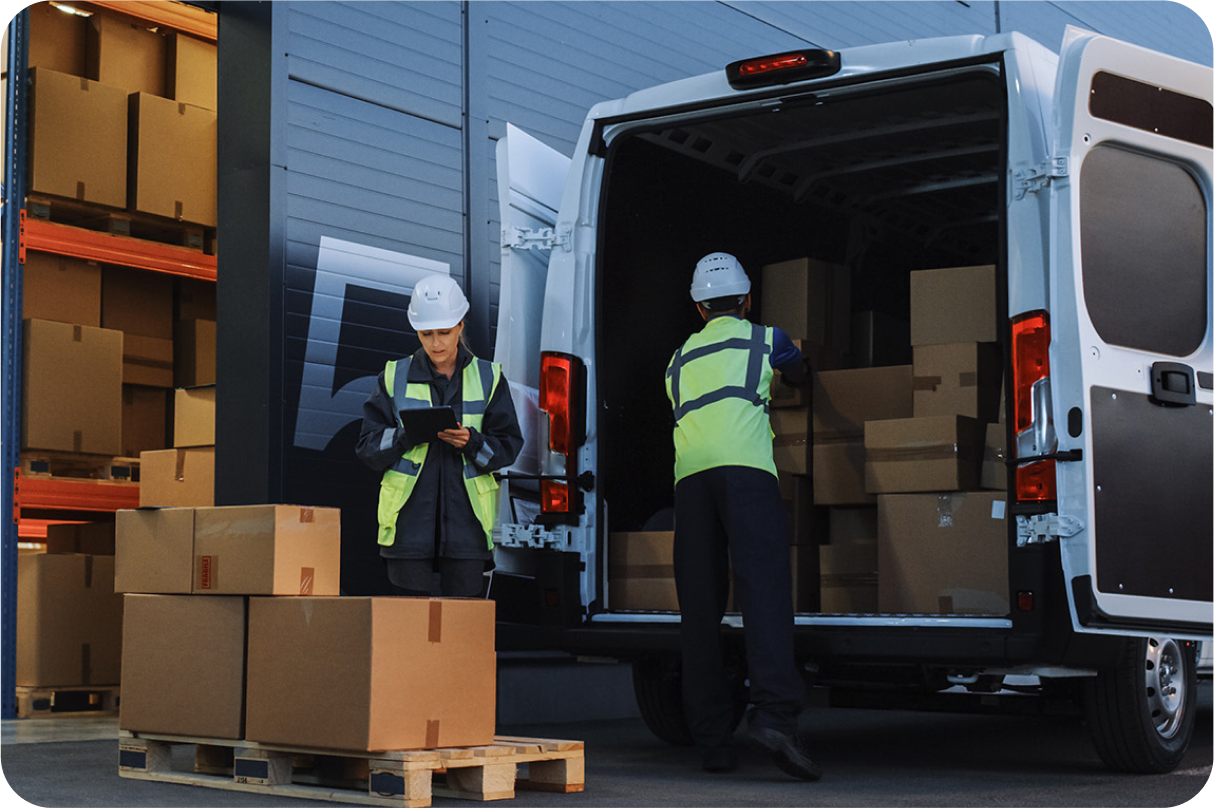
When we talk about visibility in logistics, the last mile usually takes up most of the oxygen in the room. That’s not without reason—the last mile is the most expensive leg of the fulfillment journey, in many ways it’s the most difficult to optimize, and it requires careful tracking to keep things running smoothly.
![Modern Logistics for Building Materials [HARDI Webinar]](https://7552374.hs-sites.com/hubfs/Imported_Blog_Media/Screen-Shot-2025-09-04-at-1_25_51-PM.png)