
DispatchTrack Launches Strategic Planner to Optimize Multi-Week Planning Platform for Route-Based Operations

For most 3PL warehousing operations, existing WMS options are like trying to fit a square peg into a round hole. Sure, many large WMS providers offer support for complex robotics workflows or predictive demand management—but how many of them actually make it easy to manage commingled inventory from multiple separate clients?

Modern fulfillment networks need to include more than just delivery. Customers across industries—from consumers purchasing furniture to general contractors ordering building supplies—want flexibility in how they get their orders, and sometimes they’re willing to do the driving themselves to simplify and speed up the process.
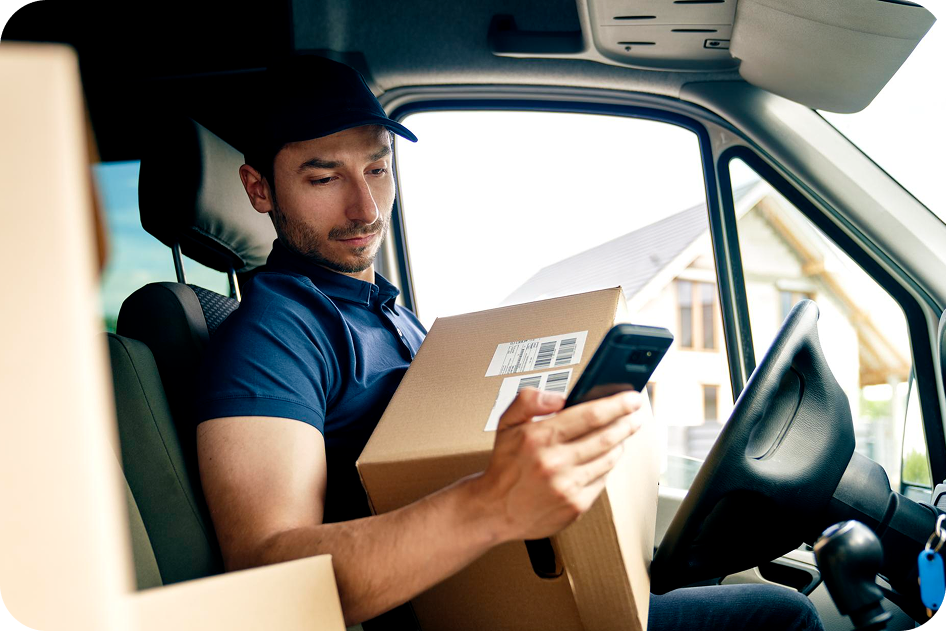
A recent Insight Collective article summed up an important point about the B2B buying cycles: B2B buyers aren’t robots. In fact, they increasingly use the same methods to seek out suppliers as their B2C counterparts. The reason for this isn’t complicated: those B2B buyers are also getting the B2C buying experience when they’re off the clock, and they see no reason that the standards shouldn’t be just as high.
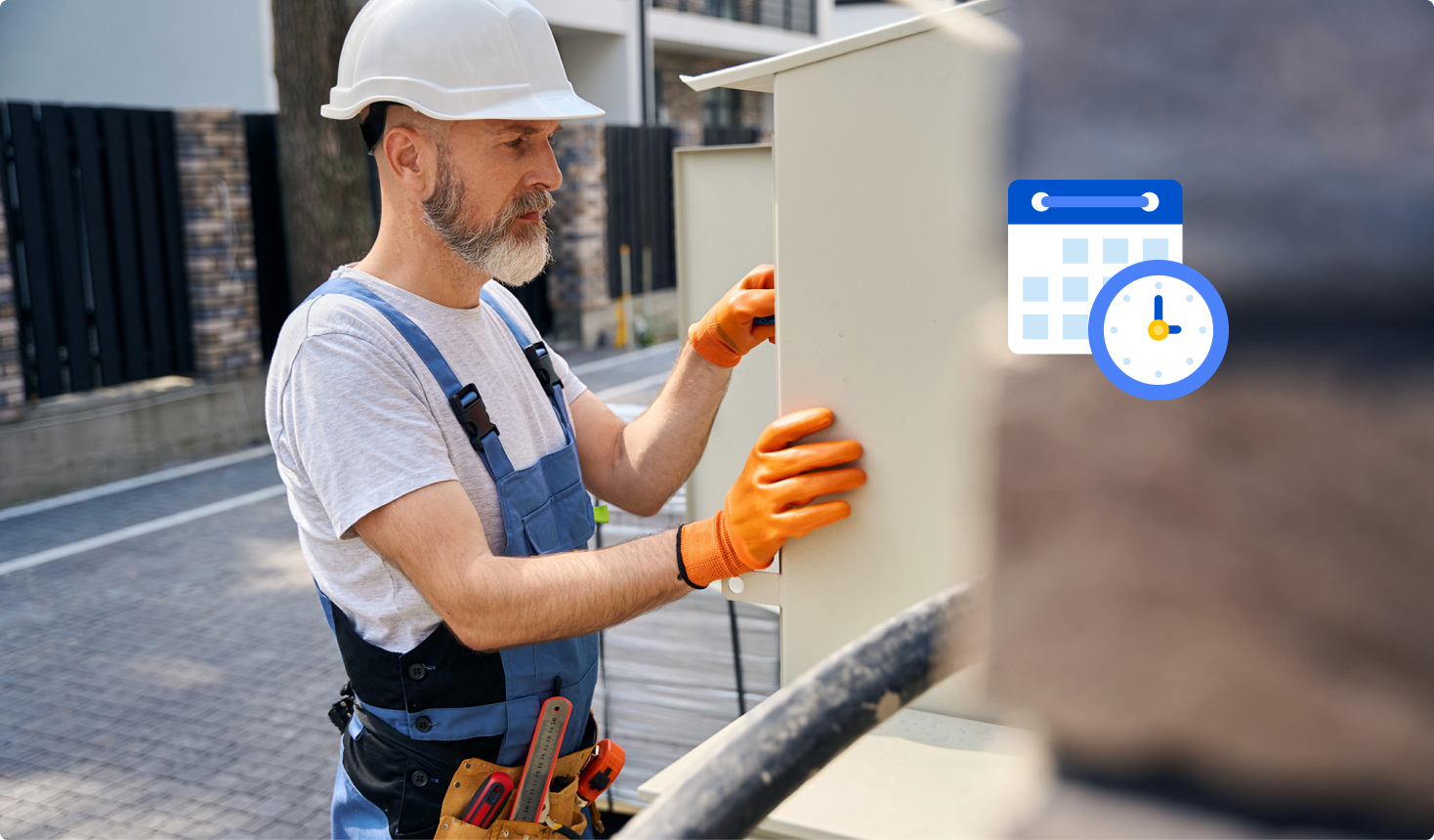
As long-time building supplies industry veteran Alex Gillespie said in Forbes recently: “We don’t like the way things are, we are frustrated by the tools that we have, and we hate change, so we are caught in a conundrum.” That conundrum isn’t new—in logistics the same complex last mile requirements have been erasing building supplies distributors’ margins for years—but it’s really coming to a head at the moment.

Building supplies distributors don’t have the luxury of sending their specialized assets to Costco for cheap fuel. That means that when uncontrollable price increases start to impact operational costs, it starts to seem like there’s fewer and fewer options on the table.


When you’re a large retailer, it can sometimes feel impossible to take control of the delivery experience that you’re offering to customers across your network. Not only is it hard to ensure that the same standard of service is being provided across branches and teams, it’s also challenging to present a unified brand experience from the point of purchase to the final delivery and beyond.

Studies have shown that most customers with big and bulky delivery orders find rescheduling to be a hassle. And if it’s an annoyance for the customer, it’s often a much greater hassle for the dispatcher or customer service rep who has to manage the process on the delivery provider’s side. Carefully constructed routes get upended, inventory slows down, and the entire lifecycle of an order is disrupted.