ALC - BioAgil

Flow Cytometry – What’s Old is New Again

Analytical testing of therapeutic compounds often requires data at the single-cell level. Flow cytometry is a versatile technology that can analyze multiple characteristics of cells and provides a wealth of data from clinical samples. A few examples include:

Read More

Immunogenicity Testing For Biosimilars

Entering the biosimilars market is an enticing prospect for many biopharma companies, offering the potential for reduced development and manufacturing costs while providing patients with broader access to critical medicines. The recent boom in the biosimilars market seen following a wave of blockbuster molecules coming off patent between 2015 and 2020 demonstrates the powerful allure of the potential of biosimilars1. During this time, the market rapidly expanded at a compound annual growth rate (CAGR) of 78%1.

Read More

The State Of The Biosimilars Market

3 key challenges facing the biosimilars space in 2023

In 2010, the biopharma industry saw an abrupt patent cliff: a significant number of top-selling drugs lost exclusivity. Once these originator products came off patent, the race was on between competing developers to gain approval first and reap the market share advantage. In the next eight years, 69 blockbuster drugs will lose exclusivity, setting the scene for yet another patent cliff and ensuing fight to be the first biosimilar to market.[1]

Read More

How Have Advanced Drug Modalities Impacted Bioanalysis?

As therapeutic drugs have grown in complexity, so too have the bioanalysis techniques to support these products. Bioanalysis of small molecule drugs has become more routine over time with the accumulation of experience gained through decades of work. The advent of large molecule therapeutics ushered in all new challenges as protein-based immunoassays became the norm. These assays tend to be less robust than those used for small molecule work and more variable due to the nature of the methodologies required. However, regulated immunoassays to support large molecules have continued to be a major area of work in the industry and our collective experience with them has grown considerably.

Read More

Neoantigens Revive Vaccine Opportunities in Immuno-Oncology

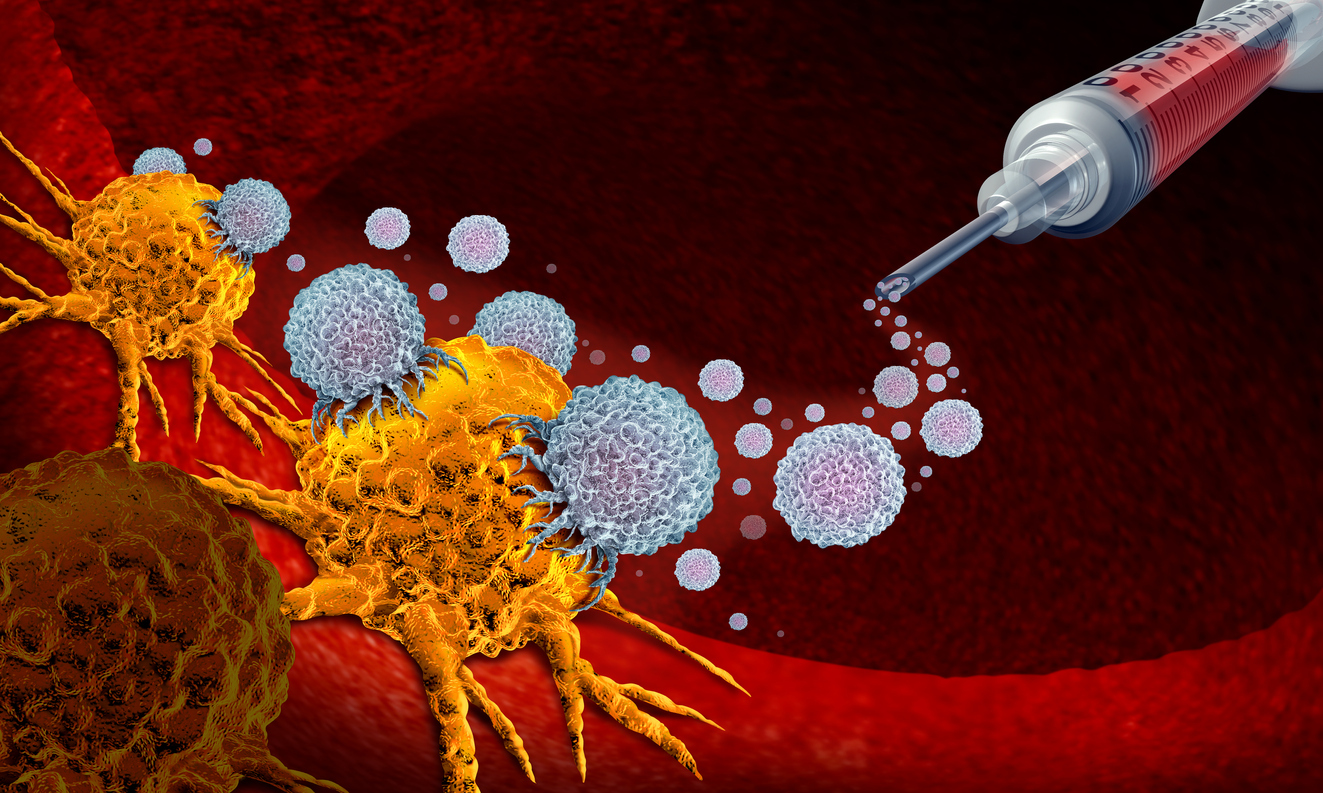
Neoantigens are novel proteins that form on cancer cells following the development of mutations in the tumor-cell DNA. These proteins are new to the immune system and are not part of the collection of self-proteins to which immune cells are tolerant or non-responsive. Therefore, neoantigens have the ability to trigger an impressive and very specific immune response, which has piqued the interest of immunology experts and garnered much-deserved attention from scientists in recent years. Let’s take a closer look at the progress being made in the fight against cancer and the challenges these revolutionary therapies face. 

Read More

Multiplexed Cytokine Analysis in Drug Development

Cytokines are proteins released by activated cells that serve as soluble messengers binding to target cells through surface receptors, signaling functional responses. The nature of cytokines is pleiotropic; a single cytokine can elicit varying responses in different cell types. Often, cytokines are produced as a part of a cascade wherein one cytokine causes the targeted cell to produce different cytokines that then go on to affect other cells to release cytokines, continuing the functional response. Cytokine signaling can result in either activation or inhibition of cellular function. 

Read More

Determining Immunogenicity for CAR-T cell Therapies

Chimeric Antigen Receptor (CAR)-T cell therapy is a novel cancer therapy that harnesses and redirects the cytotoxic activity of T cells against cancer cells. CAR-T cells are generated by engineering T cells to express a chimeric antigen receptor, which is typically an antibody directed against a target on the cancer cell, fused with TCR signaling components. Several CAR-T cell products have been approved for treatment of hematological cancers, and there are numerous ongoing trials with CAR-T therapies across a broad spectrum of disease indications. Given the broad investment in this new and potentially powerful therapy, it is important to have the appropriate analytical strategies in place to accurately measure the safety and efficacy of these novel modalities.

Read More

The Importance Of GMP Certification In Drug Development

Production and sale of therapeutic drugs requires tight control over the manufacturing, processing, and labeling of these products to ensure the safety of the end user. In the United States, regulations for maintaining the quality of medications such as these are under the jurisdiction of the Food and Drug Administration (FDA). They are referred to as Good Manufacturing Practice (GMP) or Current Good Manufacturing Practice (CGMP) regulations. GMP regulations mandate that manufacturers demonstrate the safety, purity, and efficacy of drug products during clinical testing and after drug approval. These regulations include having suitable quality management systems in place, ensuring the integrity of materials used, establishing appropriate operational processes, and using compliant laboratory facilities to support product characterization and testing. These are considered minimum requirements but are broad reaching, spanning from the proper maintenance and calibration of equipment to the acceptable performance of an analytical test for measuring drug purity. Ultimately, the GMP regulations are designed to address the full manufacturing process, maintain quality drug products, and protect consumers.

Read More

Is ISR Needed For Biomarker Assays?

Incurred sample reanalysis (ISR) is a well-established measure for the reproducibility of pharmacokinetic (PK) assays and commonly conducted in regulated studies. ISR was established in PK assays to address sources irreproducibility observed in study data that could be attributed to back conversion of unstable metabolites, matrix effects, recovery issues, sample inhomogeneity and undocumented technical errors. In addition, the value of ISR is notably in the fact that validation of PK assays requires the use of spiked samples that are used to characterize the assay, whereas these spiked samples may not adequately mimic study samples (incurred samples) and thus the necessity for establishing in-study ISR.

Read More