10 Key Terms: Commuter Benefits Explained
Posts about:
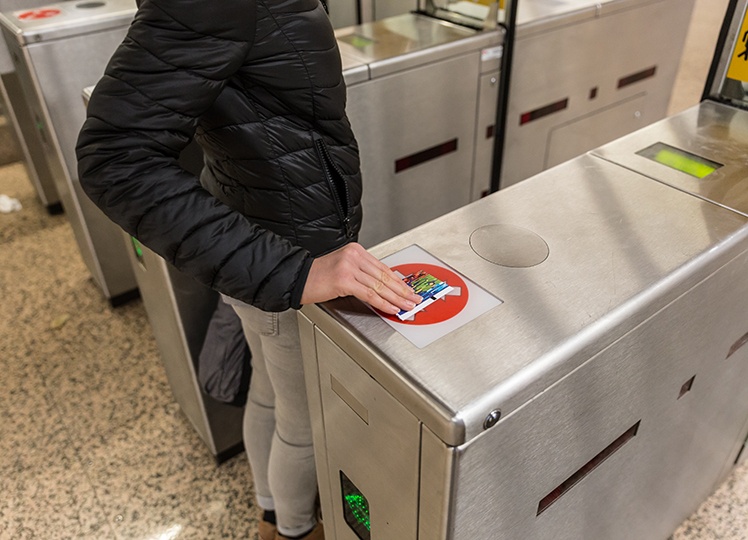 A full-service commuter benefits provider is able to meet the needs of employers of all sizes, from national brands to startups, and in major metropolitan markets as well as regional business districts. With this much coverage, the key is to provide a successful a commuter benefits program is to make sure that employees have an opportunity to save, and to save conveniently, no matter how they commute, because no two commutes are ever the same!
 The New York Times recently reported that tech companies have jumped into the transit business by creating services similar to Uber and Lyft. Instead of a sedan showing up wherever you happen to be, you can discover a new bus line, or potentially create a new one, secure a ticket and a seat to get to work.
 Getting to work by bus, train, subway, ferry, carpool, and vanpool has been the standard options as an alternative to driving to work each day, alone. Until now. What started out as an idea for anyone who had a car to make some extra income as a driver by finding passengers through an app and charging a fee for the ride has established itself as a new commuting option in many cities and towns.
 Making the most of every seat in the car to save money and energy goes back to the first Ford Model T. Since then, the history of carpooling has been tied very closely to changes in fuel prices, politics and the state of the economy.